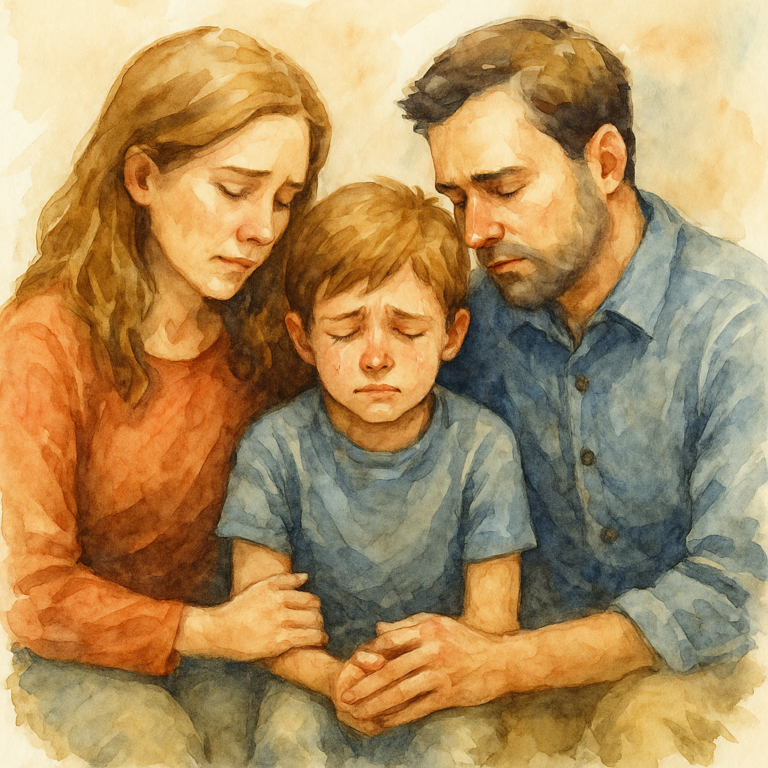
There is a feeling many people experience after a loved one dies, but rarely talk about.
It is relief.
When this feeling appears, confusion and shame often follow. People wonder if something is wrong with them, or if feeling relieved means they did not love enough or grieve the right way.
If this is something you have felt, you are not alone.
This reaction is very common, especially for those who spent a long-time caregiving or watching someone suffer. Feeling relief does not mean you wanted them gone. It does not mean your grief is less real. It means the weight you were carrying has finally shifted.
Before explaining why this happens, it is important to say this clearly.
This feeling is human.
It is allowed.
And it deserves understanding, not judgment.
There is space here to talk about it honestly.
Relief and Grief Can Exist at the Same Time
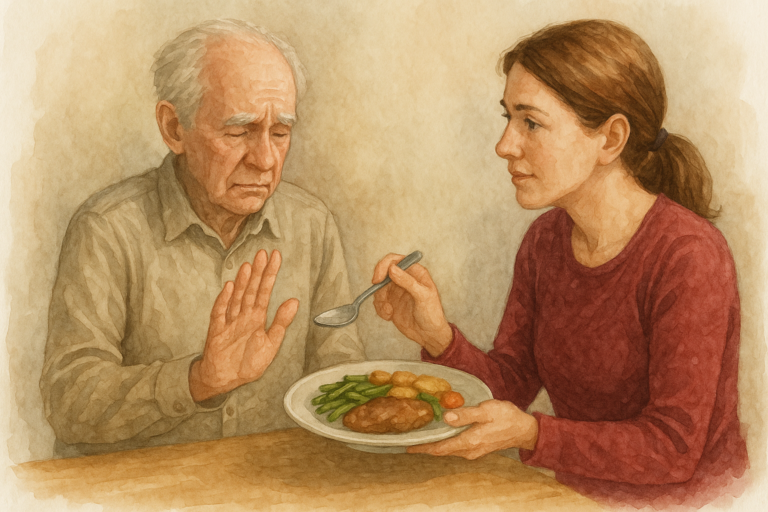
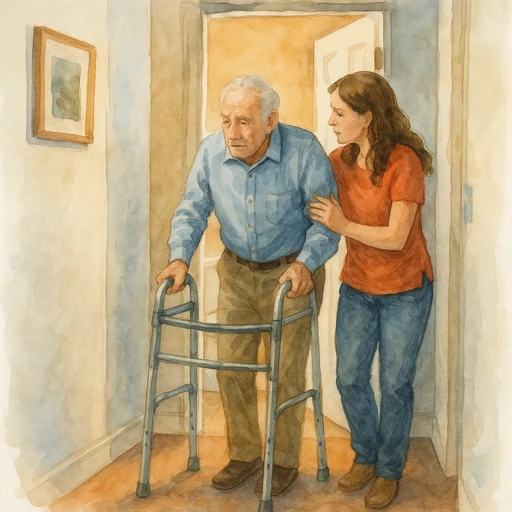
When someone you love has been sick for a long time, your body learns to live on constant alert.
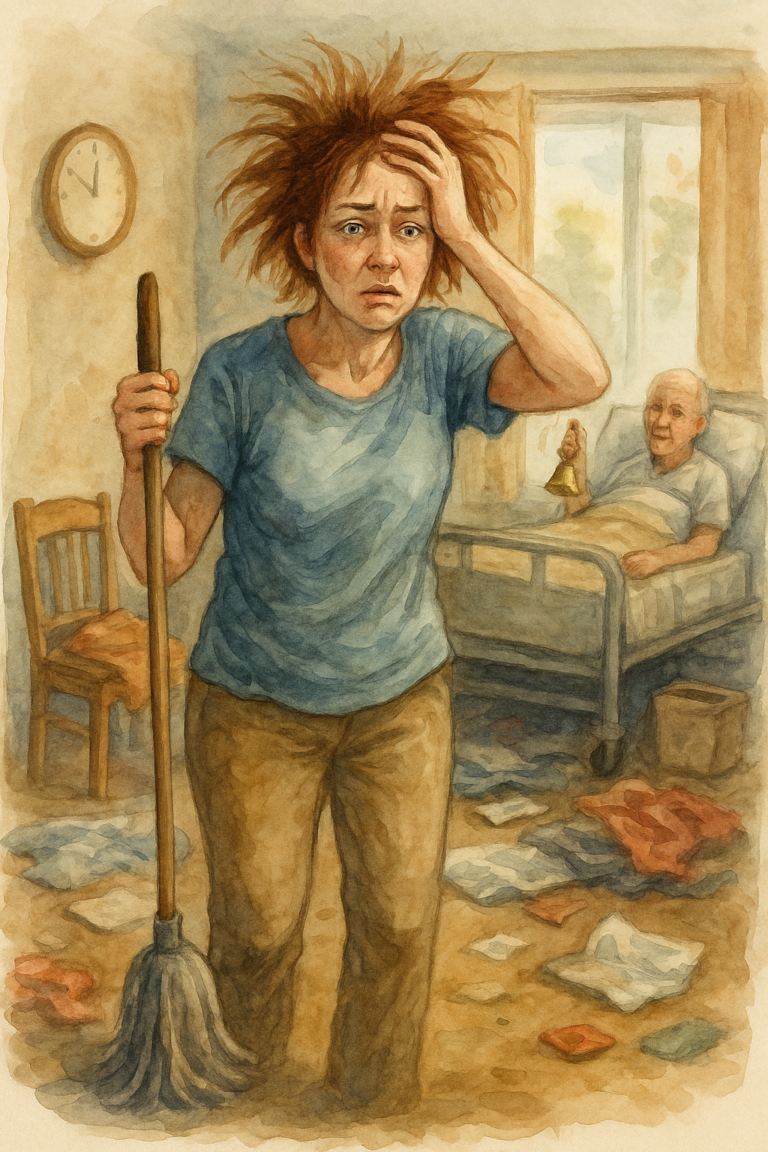
Caregiving is not only emotionally exhausting. It is physically demanding. Your nervous system stays tuned to small changes. Breathing patterns. Appetite. Phone calls in the middle of the night. Even quiet moments feel tense because you are always waiting for something to happen.
When death occurs, that prolonged state of vigilance finally has a place to rest.
This is why feeling relieved when someone dies is often less about emotion and more about the body responding to the end of sustained stress. The waiting ends. The responsibility lifts. The crisis is over.
Relief does not mean love disappears.
Grief and relief can exist at the same time. One does not cancel out the other. Relief reflects how heavy the road was. Grief reflects how much the relationship mattered.
Much of the relief people feel is not about loss itself. It comes from what has ended. Watching someone suffer. Sleeping lightly, always listening. Making constant decisions. Carrying responsibility without rest.
That burden lifting does not erase sorrow. It lives alongside it.
The Guilt That Often Follows Relief
For many people, relief does not come alone.
It is quickly followed by guilt.
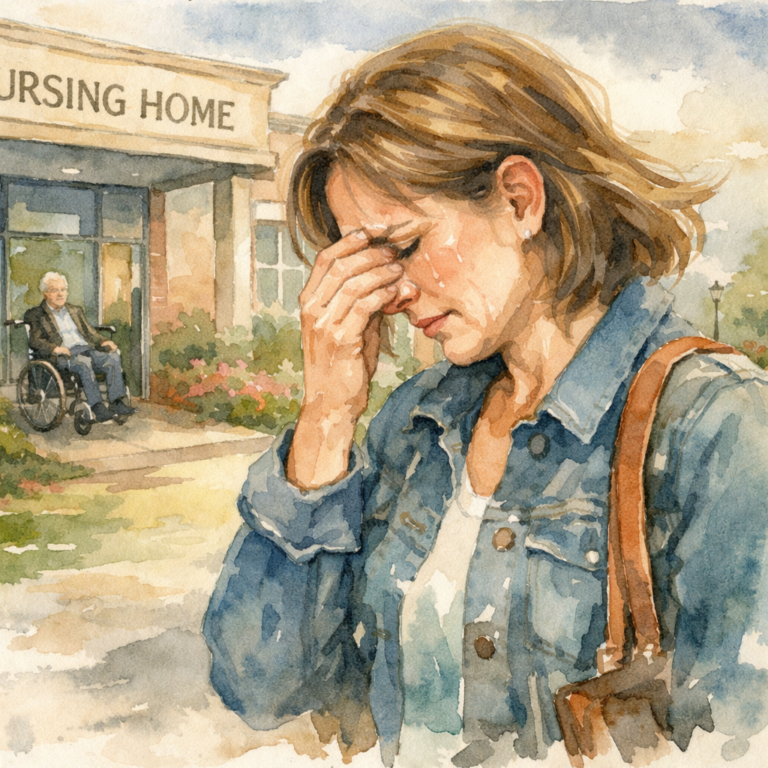
After the initial calm, people begin to question themselves. They worry that something is wrong with them for not feeling only sadness. They wonder if relief means they did not love enough or did not try hard enough.
Much of this guilt comes from cultural expectations about grief. We are often taught that love should hurt, and that deep love must always be accompanied by deep suffering. When calm appears instead of devastation, it can feel like a betrayal of that belief.
But pain is not the measure of love.
Guilt also shows up because relief feels unfamiliar. After months or years of living in survival mode, calm can feel wrong. When the nervous system finally settles, the mind often rushes in to judge or explain it away.
Caregiver guilt after death is not a sign of failure. It is a reflection of how deeply you cared and how much responsibility you carried.
Relief does not mean you stopped loving. It means the burden has lifted.

When Relief Feels Stronger Than Grief at First
For some people, relief feels stronger than sadness in the beginning.
This can be deeply unsettling. People worry they are grieving incorrectly or that grief has somehow skipped them. They may wait for a wave of pain they expect to come and feel uneasy when it does not arrive right away.
This response is more common than most people realize.
After prolonged caregiving or anticipatory grief, the body is often exhausted. When death occurs, survival mode shuts off. Adrenaline drops. What follows can feel like calm, numbness, or emotional quiet.
This does not mean grief is absent.
It means your body is resting.
Grief often unfolds gradually after long-term stress. For some, it comes weeks later. For others, it appears quietly in moments of memory, longing, or fatigue. There is no correct order and no required timeline.
Feeling relief first does not mean grief will never come. And if grief arrives differently than expected, it is still real.
If You Are a Person of Faith
For people of faith, feeling relief after death can raise spiritual questions as well as emotional ones.
Some worry that relief reflects weak faith or something they should feel ashamed of before God. Others question whether calm instead of anguish means they are responding incorrectly.
It does not.
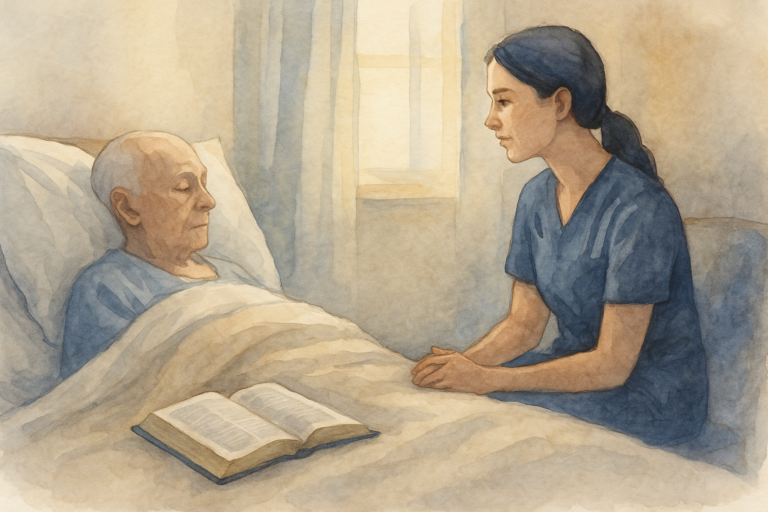
Scripture reflects the full range of human emotion. It acknowledges sorrow, weariness, rest, and release. Relief is not a failure of faith. It is often the natural response to suffering coming to an end.
Faith allows room for rest after a long season of carrying. Quiet presence can be prayer. Peace can coexist with grief.
You are not required to feel one specific emotion in order to be faithful.
What Helps When This Feeling Appears
When relief shows up, the most helpful response is to notice it without judgment.
Naming the feeling matters. Simply acknowledging, “This is relief,” can prevent shame from reshaping the experience into something it is not.
It can help to talk with one safe person. Someone who will listen without correcting or minimizing. You do not need advice. You need space to tell the truth.
Writing can also help. Journaling allows you to capture what the relief actually feels like before guilt adds meanings that do not belong to it.
When doubt creeps in, it may help to remember what the relief represents. It is not relief that your loved one is gone. It is relief that their suffering has ended. Relief that the waiting is over. Relief that the responsibility you carried has finally been set down.
These moments do not require explanation or apology.
Conclusion: Laying the Burden Down
If you felt relief when your loved one died, it does not erase the love you shared.
It speaks to how heavy the road was and how much you carried.
Grief does not need to look one specific way to be real. Relief does not cancel sorrow. Both are allowed to exist, sometimes together, sometimes separately.
You showed love through endurance. Through presence. Through staying when it was hard.
When the burden finally lifted, your body and heart responded in a human way.
There is no need to judge that response.
For a moment, it is okay to lay the weight down.

I hope this article brought you some clarity or comfort. Caring for someone at the end of life can feel overwhelming, and you don’t have to figure it all out alone.
If you’re feeling unsure what to do next, my Free Resources page offers simple guides and tools that many families find helpful as they navigate this season. You can also sign up for my once-weekly emails no spam, no pressure. Just gentle support and education.
If you need additional support, or simply need a place to ask a question or vent, you’re welcome to leave a comment or send me an email. You’re not doing this wrong, and you’re not alone.
Additional Grief Support
- Hospice Foundation of America: https://hospicefoundation.org/Grief-Support
- GriefShare: https://www.griefshare.org
- What’s Your Grief: https://whatsyourgrief.com
Frequently Asked Questions
Yes. Feeling relief after a death is very common, especially after long-term caregiving or watching someone suffer. It reflects the end of stress and vigilance, not a lack of love.
Calm or numbness often appears when the nervous system finally relaxes after being in survival mode for a long time. Grief does not always arrive immediately.
For many people, grief unfolds gradually. It may come in waves over time or appear quietly in moments of memory, fatigue, or longing.
No. Relief means the suffering and responsibility have ended. It does not mean you wanted your loved one to die or loved them any less.