Skip to content
  • Homepage
  • About Julia
  • BlogExpand
    • End of Life and Hospice Care
    • Comfort, Dignity & Daily Care
    • Caregiving & Family Support
    • Grief & After Death
    • Talking to Kids About Death
  • Death is Not a Dirty Word
  • Free Resources
  • Products I Love
  • Disclaimer
  • Homepage
  • About Julia
  • Blog
    • End of Life and Hospice Care
    • Comfort, Dignity & Daily Care
    • Caregiving & Family Support
    • Grief & After Death
    • Talking to Kids About Death
  • Death is Not a Dirty Word
  • Free Resources
  • Products I Love
  • Disclaimer
  • End of Life and Hospice Care

    Death is Not a Dirty Word

    ByJulia April 6, 2026April 6, 2026

    The Dying Process Explained: What Families Often See Near the End of Life Most families arrive in hospice the same way. They are confused, scared, and trying to hold themselves…

    Continue Reading Death is Not a Dirty WordContinue

  • Why We Avoid Talking About Death. And How It Hurts Families
    End of Life and Hospice Care

    Why We Avoid Talking About Death. And How It Hurts Families

    ByJulia February 16, 2026February 16, 2026

    Many families avoid talking about death to protect each other. This article explains why silence often causes fear and regret later.

    Continue Reading Why We Avoid Talking About Death. And How It Hurts FamiliesContinue

  • Dying in the Hospital vs Dying at Home. What Families Need to Know
    End of Life and Hospice Care

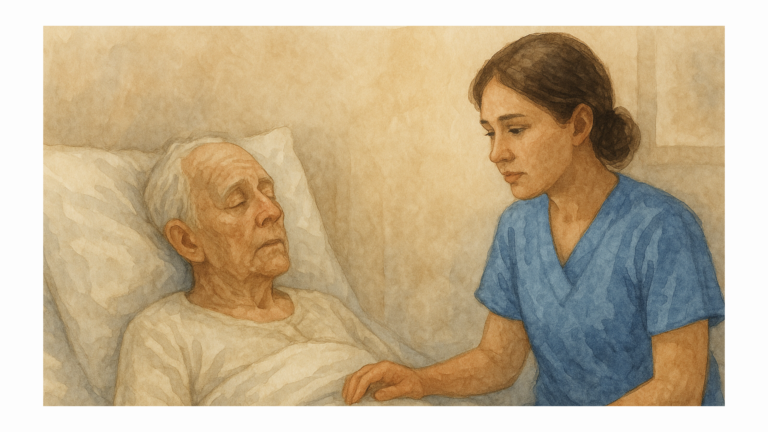
    Dying in the Hospital vs Dying at Home. What Families Need to Know

    ByJulia February 9, 2026February 9, 2026

    Dying in the hospital and dying at home can be very different experiences. This article explains what families are rarely told about each option.
    Continue Reading Dying in the Hospital vs Dying at Home. What Families Need to KnowContinue

  • Why Your Loved One Isn’t Talking Anymore Near the End of Life
    End of Life and Hospice Care

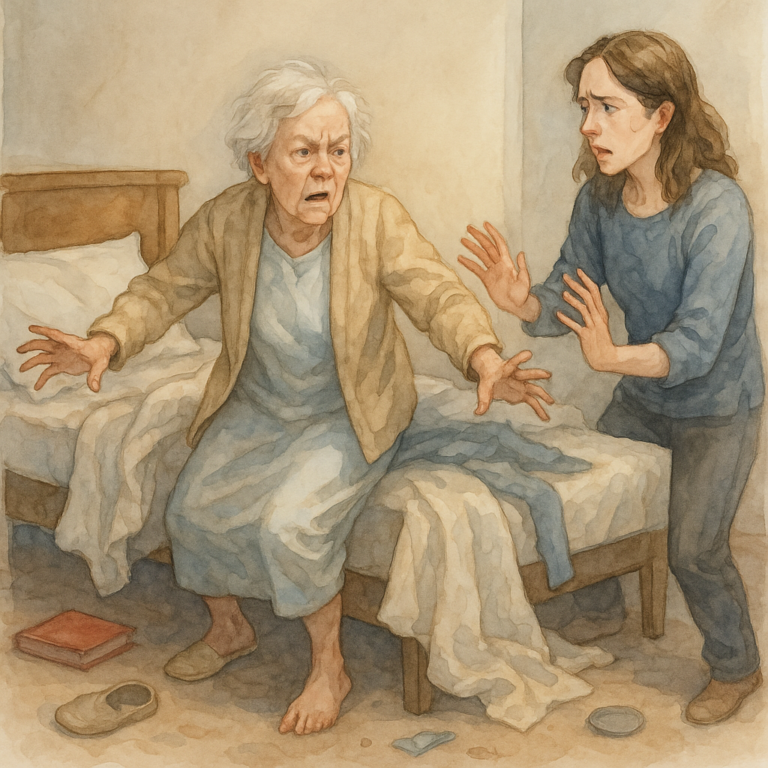
    Why Your Loved One Isn’t Talking Anymore Near the End of Life

    ByJulia January 20, 2026January 20, 2026

    When a loved one stops talking near the end of life, the silence can feel frightening and deeply personal.

    Caregivers worry they said the wrong thing, waited too long, or lost connection. As a hospice nurse, I want you to know this clearly: loss of speech at the end of life is a normal physical change, not emotional withdrawal.

    Understanding why talking fades — and how to stay connected without words — can bring comfort, reassurance, and peace during this stage.
    Continue Reading Why Your Loved One Isn’t Talking Anymore Near the End of LifeContinue

  • Understanding Restlessness & Terminal Agitation at the End of Life
    End of Life and Hospice Care

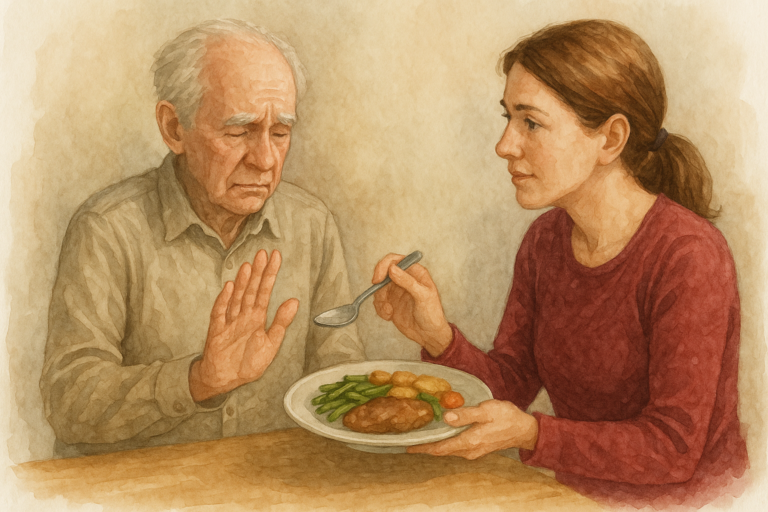
    Understanding Restlessness & Terminal Agitation at the End of Life

    ByJulia January 16, 2026January 16, 2026

    Restlessness near the end of life can be frightening to witness.

    Caregivers describe loved ones picking at blankets, trying to get out of bed, or seeming unable to rest — no matter what they do. It looks chaotic, feels urgent, and often leaves families wondering if something is being missed.

    As a hospice nurse, I want you to know this clearly: terminal agitation is common at the end of life, it is not your fault, and it does not mean your loved one is suffering without help.

    Understanding why restlessness happens — and what actually helps — can reduce fear, guide your next steps, and help you care with more confidence and calm.
    Continue Reading Understanding Restlessness & Terminal Agitation at the End of LifeContinue

  • When They Stop Eating: What It Really Means at the End of Life
    End of Life and Hospice Care

    When They Stop Eating: What It Really Means at the End of Life

    ByJulia January 13, 2026January 22, 2026

    When a dying loved one stops eating, families panic.

    Food feels basic. Loving. Necessary. So when a plate goes untouched, caregivers feel fear, guilt, and urgency all at once — Are they starving? Should I push harder? Am I letting something terrible happen?

    As a hospice nurse, I want you to hear this clearly: loss of appetite at the end of life is normal, expected, and not painful for the person who is dying. What you’re seeing is the body slowing down — not giving up.

    Understanding why eating fades near the end of life can relieve tremendous fear and help you care for your loved one with peace instead of panic.

    Continue Reading When They Stop Eating: What It Really Means at the End of LifeContinue

  • Why Your Loved One Is Sleeping So Much at the End of Life
    End of Life and Hospice Care

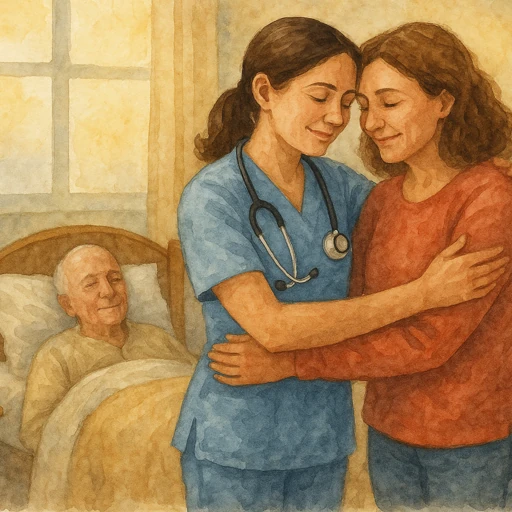
    Why Your Loved One Is Sleeping So Much at the End of Life

    ByJulia January 6, 2026January 6, 2026

    When someone you love starts sleeping most of the day, it’s frightening. Families worry they’re missing something or doing something wrong. This article explains why increased sleep is common at the end of life, what it means, and how to respond with comfort instead of fear.
    Continue Reading Why Your Loved One Is Sleeping So Much at the End of LifeContinue

  • What Hospice Nurses Want You To Know
    End of Life and Hospice Care

    What Hospice Nurses Want You To Know

    ByJulia January 4, 2026January 4, 2026

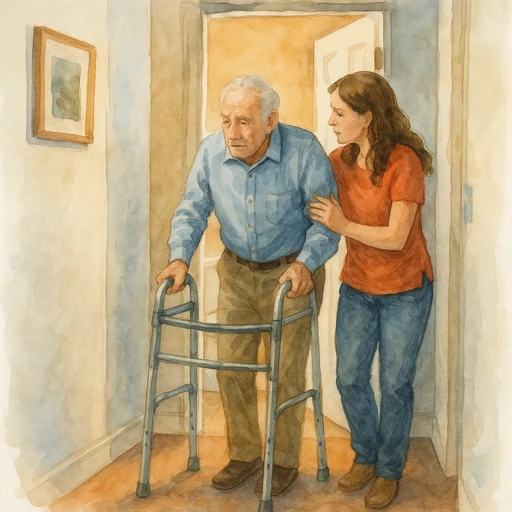
    But Probably Never Say Out loud The Things We Think, Feel, and Wish You Knew Hospice nurses carry families through some of the hardest days of their lives.We walk into…
    Continue Reading What Hospice Nurses Want You To KnowContinue

  • Hospice Comfort Meds Made Simple
    End of Life and Hospice Care

    Hospice Comfort Meds Made Simple

    ByJulia December 19, 2025January 10, 2026

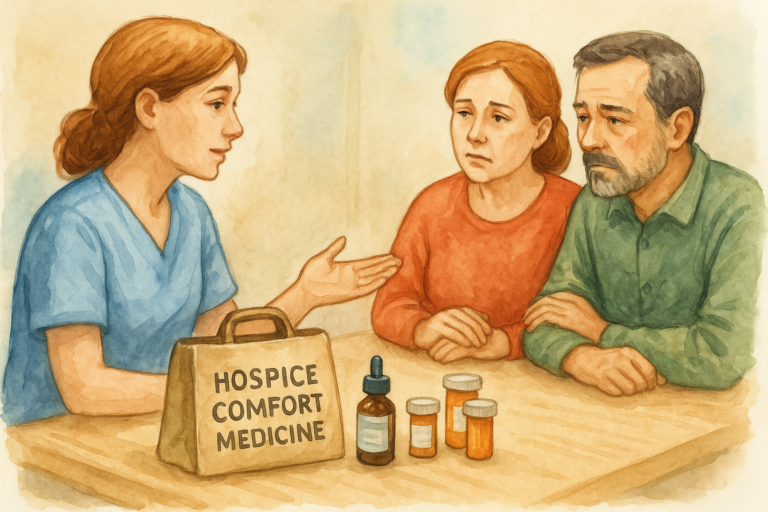
    Comfort medications often scare families, but they’re safe, gentle, and meant to ease shortness of breath, pain, anxiety, and restlessness at the end of life. This guide explains what each medication does and why they do not hasten death.
    Continue Reading Hospice Comfort Meds Made SimpleContinue

  • Who Qualifies for Hospice?
    End of Life and Hospice Care

    Who Qualifies for Hospice?

    ByJulia December 16, 2025December 22, 2025

    A Simple Guide for Families One of the most common questions I hear as a hospice nurse is: “How do we know if our loved one qualifies for hospice?” Families…

    Continue Reading Who Qualifies for Hospice?Continue

Page navigation

1 2 Next PageNext

Amazon Affiliate Disclosure:
JuliaPierceRN.com is a participant in the Amazon Services LLC Associates Program, an affiliate advertising program designed to provide a means for sites to earn fees by linking to Amazon.com and affiliated sites. As an Amazon Associate, I earn from qualifying purchases. This comes at no additional cost to you.


Disclaimer: This website and its content are for educational and supportive purposes only and are not a substitute for medical advice. I am a hospice nurse, but I am not your nurse. Always follow the guidance of your own healthcare provider or hospice team.

Privacy Policy

© 2026 Faith-Filled Guidance for Hospice, Aging & End-of-Life Care - WordPress Theme by Kadence WP

Search