The Dying Process Explained: What Families Often See Near the End of Life
Most families arrive in hospice the same way. They are confused, scared, and trying to hold themselves together while something enormous is happening to someone they love.
Sooner or later someone asks the question. Sometimes quietly. Sometimes through tears. “What actually happens when someone dies?”
What the Dying Process Actually Looks Like
Families do not want the medical explanation. They want the real one. What does the dying process actually look like when the body begins shutting down? What should they expect? What is normal?
The dying process is not random. It follows a pattern the body naturally moves through. Yet, most families reach this moment without anyone ever explaining it to them.
Not because the information does not exist, but because people are afraid to talk about death.
That silence is the reason I wrote Death Is Not a Dirty Word.
In the short video below, I explain why I wrote this book and what families most often misunderstand about the dying process.
Watch: Why I Wrote Death Is Not a Dirty Word
The Silence Around Death Leaves Families Unprepared
During most of my nursing career, I watched families arrive at the end of life unprepared.
Not because they didn’t care.
Because no one had ever explained what the dying process actually looks like.
No one had told them:
- why their loved one stopped eating
- why they slept most of the day
- why breathing changed
- why the skin became cool or mottled
So when these changes appeared, families assumed something was wrong.
They worried their loved one was suffering. They questioned their care. They felt like they were missing something.
In reality, many of these are normal parts of the dying process. When no one explains that, fear fills the gap.
In Death Is Not a Dirty Word, I walk through the most common signs families see near the end of life:
- sleeping most of the day
- eating and drinking very little
- breathing changes
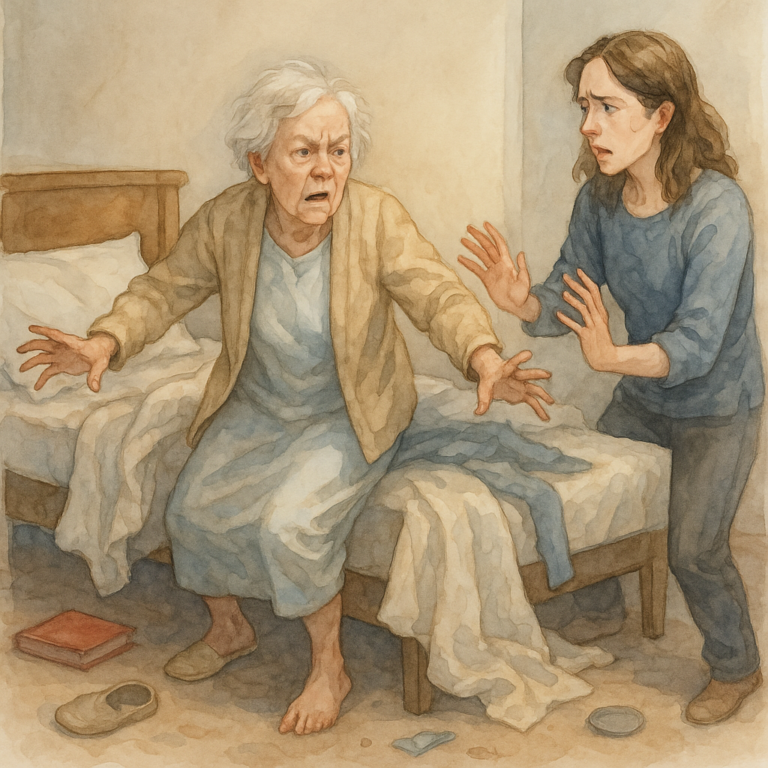
- restlessness or confusion
- hands and feet becoming cool or mottled
These changes can be unsettling. Most are natural.
Inside the Book: When Appetite Disappears
One of the most distressing moments for families is when their loved one stops eating.
To the family, it looks like starvation.
To the body, it is something very different.
As the body begins shutting down, digestion slows dramatically and the need for calories decreases. What appears alarming is often the body’s quiet way of preparing for death.
This is the kind of practical explanation families often need but rarely receive before the final days begin.
What I See at the Bedside
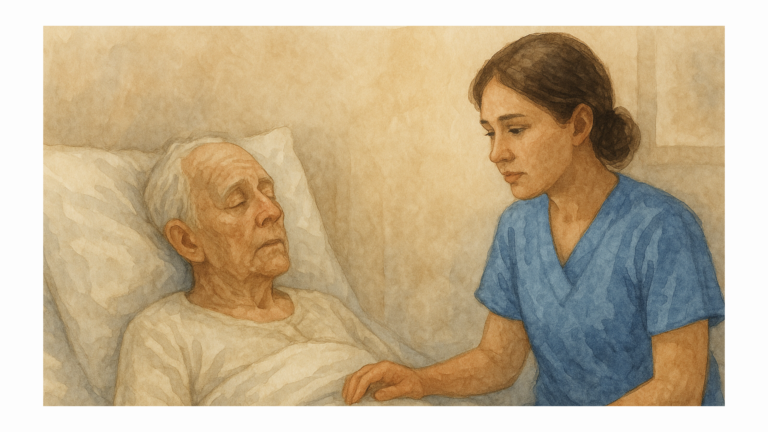
Hospice nurses spend long hours at the bedside. Sometimes during quiet afternoons. Sometimes in the middle of the night when a family calls because something suddenly feels wrong.
Those are the moments when people begin asking the questions they were afraid to ask earlier.
Is this normal? How long do we have? Are they in pain? Are we doing this right?
Over time, I saw the same pattern.
When families understand the dying process, their fear decreases..
They stop watching every breath in panic.
They sit closer.
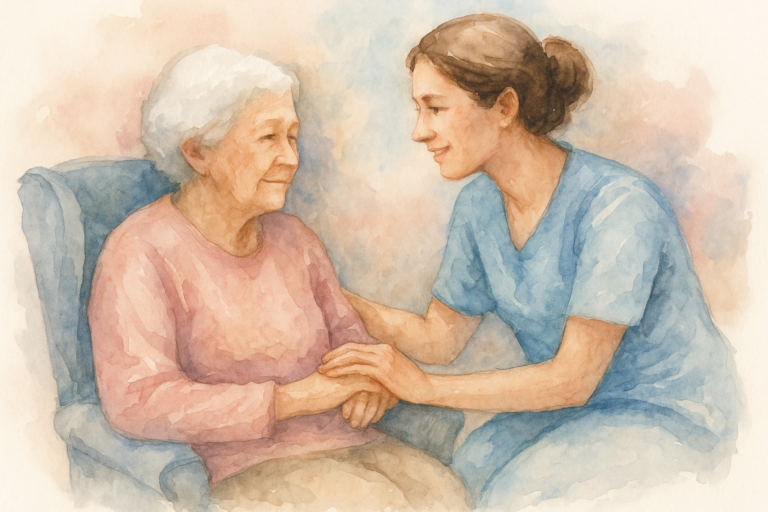
They hold a hand.
They become present.
Understanding changes the atmosphere in the room.
The Hard Truth: Most People Learn Too Late
Most families learn about the dying process after it has already begun.
They are trying to understand what is happening while emotions are high and decisions are urgent.
The goal of this book is simple.
To explain what happens before the panic starts.
Clear language. No medical jargon. No confusion.
Just what to expect, and what it means.
Inside the Book: Breathing Changes Near Death
Families are often alarmed when breathing begins to change.
They may hear pauses between breaths or a pattern that sounds uneven.
These changes are usually part of the body’s natural transition toward death as the brain’s breathing centers gradually slow.
While the sounds can be unsettling, they are often not uncomfortable for the patient.
Understanding these changes can prevent unnecessary panic during the final days.
Why the Title Matters
Our culture avoids talking about death.
We soften it. We avoid the word. We change the subject.
But death is not rare. Every family will face it.
Avoiding the conversation does not make it easier.
It leaves families unprepared.
Death is not something to hide from.
It is something to understand.
What This Book Explains
This book answers the questions families ask at the bedside:
Why do they stop eating and drinking?
Why do they sleep most of the day?
What causes breathing changes?
Why restlessness or confusion?
How do you know death is near?
These are not abstract questions.
They are what families see in real time.
The goal is not more information.
The goal is clarity..
What Families Tell Me
The most common response is relief.
Not because this is easy.
Because it makes sense.
“I thought something was wrong.”
“I didn’t know this was normal.”
“I stopped panicking.”
Some read it while caregiving.
Others read it after a loss, trying to understand what they saw.
Understanding the dying process brings context to those moments.
And often, it brings peace.e.
Who This Book Is For
This book is written for people trying to understand the dying process.
- caregivers watching a loved one decline
- families entering hospice
- adults caring for aging parents
- people who want to understand before it happens
- those trying to make sense of a loss
Many readers come after a loss, replaying what they saw and questioning whether it was normal.
This book helps answer those questions..
It is written for ordinary people facing an extraordinary moment. People who love someone deeply and want to care for them well.
The Quiet Hope Behind It
I did not write this book to make death feel smaller.
Death is still a serious moment. It is still sacred. It is still emotional for the people who love the person who is dying.
But fear should not be the loudest voice in the room.
When families understand what is happening in the body, something often changes. The unknown becomes less frightening, and the constant sense of alarm begins to settle.
In that space, something unexpected can appear.
Peace.
Not because the loss becomes easy, but because the mystery surrounding the process is replaced with understanding.
Conclusion: You Deserve to Understand
If you are caring for someone who is declining, you should not have to guess what is happening.
You should not have to search the internet at two in the morning trying to decide whether something is normal.
That is why I wrote Death Is Not a Dirty Word.
This book was written to explain the dying process clearly and answer the questions families are afraid to ask.
Understanding reduces fear.
It builds confidence.
It allows you to focus on the person, not the uncertainty.
If you want to understand what is happening in the final stages of life, you can find the book here::
Death Is Not a Dirty Word – A Hospice Nurse Explains the Dying Process
Sometimes the most comforting thing we can offer is the truth.