A Hospice Nurse Explains What Caregivers Are Seeing
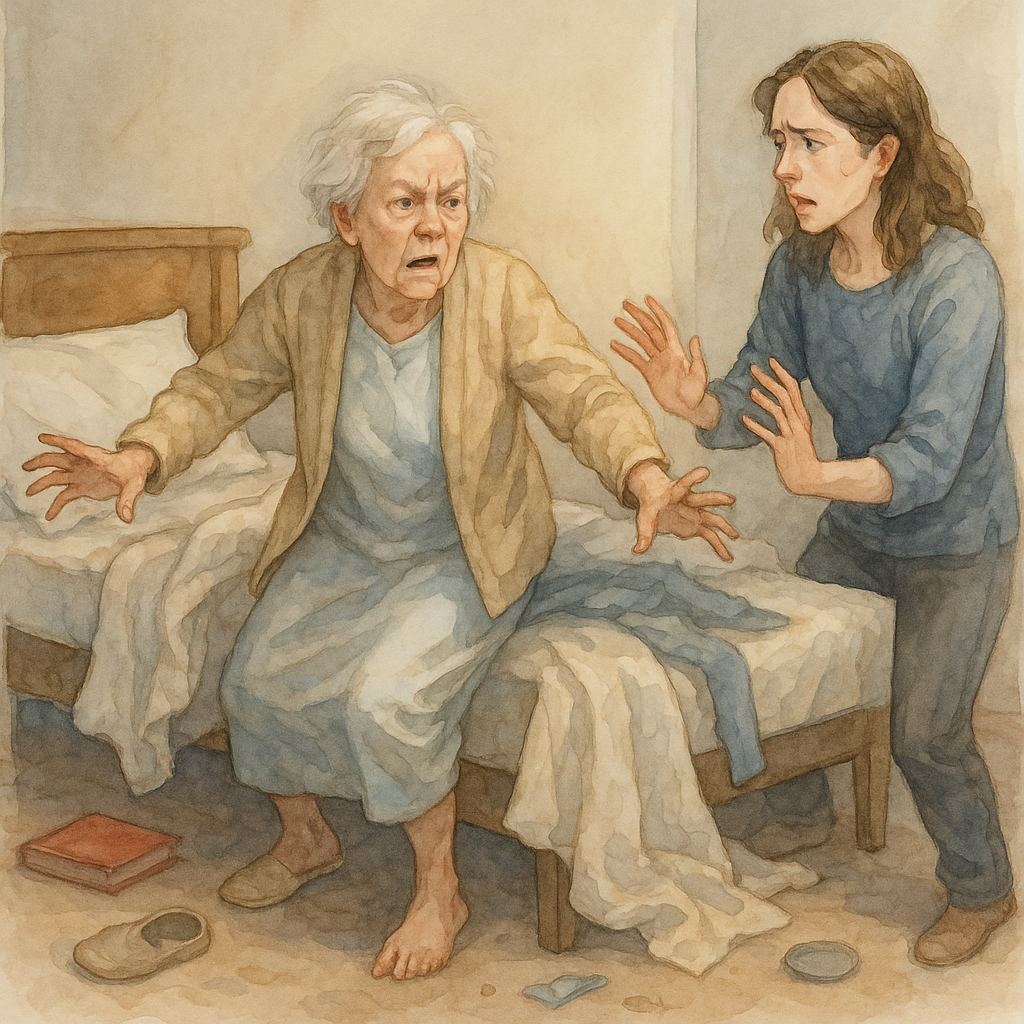
Why do they keep picking at the blankets, trying to get out of bed, or seeming panicked?
Terminal agitation at the end of life is a state of restlessness, anxiety, or confusion that can occur as the body begins to shut down. It is caused by physical changes in the brain and nervous system, not emotional distress or something a caregiver has done. While it can look frightening, terminal agitation is common and can often be eased with proper hospice support.
Restlessness near the end of life looks chaotic. It feels uncomfortable to watch. And it often leaves caregivers wide awake at night, wondering if something is being missed or done wrong.
For many families, this is when caregiving becomes truly frightening.
Families tell me:
“They can’t get comfortable.”
“They seem anxious all the time.”
“I don’t know how to help.”
Let me reassure you right away:
This behavior is common. It is not your fault. And it does not mean your loved one is suffering without help.
What you’re seeing is often called terminal agitation or terminal restlessness. It’s a physical change that can happen as the body and brain work harder near the end of life.
Understanding what this is — and what actually helps — can reduce fear, guide your next steps, and help you care with more confidence and calm.
What Is Terminal Agitation (in Plain English)
Terminal agitation is a term used to describe restlessness, anxiety, and confusion that can happen near the end of life.
You may also hear it called terminal restlessness or terminal delirium. These words sound alarming, but they describe a physical process, not a mental or emotional failure.
Terminal agitation at the end of life may look like:
- pulling at blankets or clothing
- repeated attempts to get out of bed
- constant fidgeting or restlessness
- grimacing or appearing uncomfortable
- calling out, moaning, or seeming unsettled
- inability to stay comfortable despite repositioning
For caregivers, this can feel heartbreaking to watch.
What’s important to understand is this:
Your loved one is not choosing this behavior. They are not angry, stubborn, or emotionally distressed in the way it may appear.
Terminal agitation happens because the body and brain are changing.
As the end of life approaches, several things can occur at the same time:
- brain chemistry begins to shift
- oxygen levels to the brain may decrease
- organs slow down and waste products build up
- pain or other symptoms may not be fully controlled yet
- medications may wear off or need adjusting
All of this places stress on the nervous system.
The body and brain are working very hard near the end, and sometimes that effort shows up as restlessness instead of calm.
This is why reassurance alone often isn’t enough — and why medical support can make such a meaningful difference.
Why This Shows Up Near the End of Life
Terminal agitation often appears near the end of life because the body can no longer keep itself balanced. Changes in brain chemistry, reduced oxygen to the brain, and the buildup of waste products can overstimulate the nervous system. As these systems weaken, restlessness may appear suddenly, even if the person was calm before.
One of the hardest things for caregivers is how suddenly restlessness can appear.
Someone may have been relatively calm, even sleepy, and then — seemingly overnight — they become unsettled, fidgety, or unable to rest.
This change often happens because the body is reaching a point where it can no longer keep itself balanced.
Earlier in an illness, the body can compensate. Symptoms come and go. Medications hold longer. The brain adapts.
Near the end of life, that reserve fades.
The systems that once kept things steady begin to fall out of sync. Small discomforts feel bigger. Medication timing matters more. The brain becomes less able to filter sensations or settle itself.
That’s why terminal agitation often appears late and feels out of proportion to what caregivers can see.
It’s also why this restlessness doesn’t mean something sudden has gone “wrong.”
Terminal agitation does not always mean a person is suffering. Although it can look distressing to caregivers, it is often a sign of the body working harder as it shuts down. With proper hospice care and medication adjustments, comfort can frequently be restored.
This stage can be unsettling to witness — but it is a recognized part of the dying process, not a sign that care has failed.
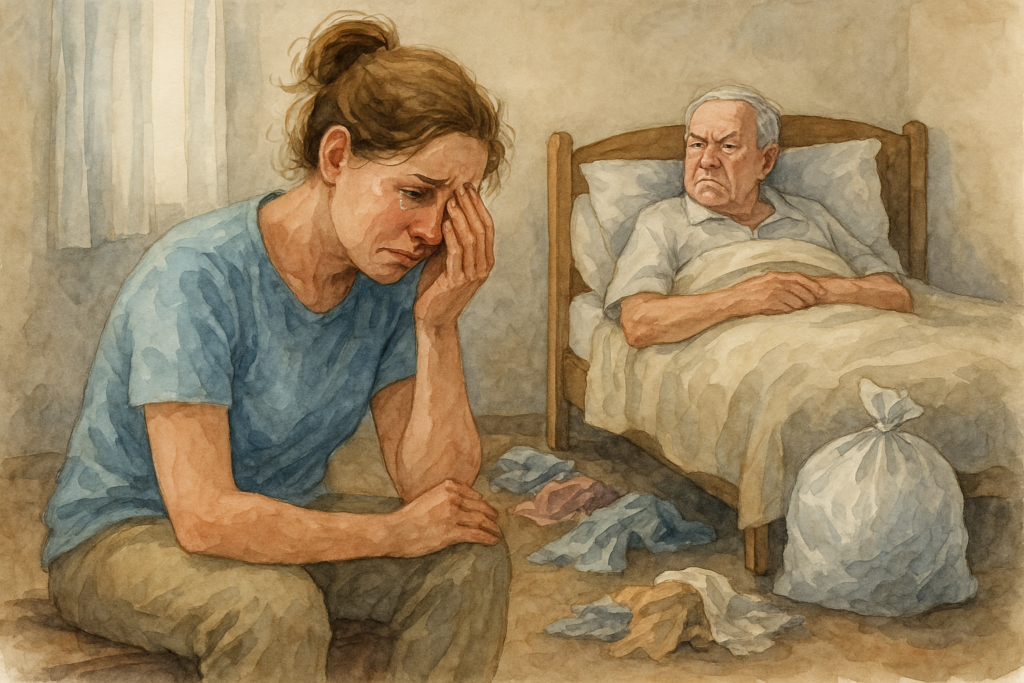
Common Myths Caregivers Believe (and the Truth)
When restlessness appears, caregivers often turn inward.
They wonder if they said something wrong, missed a sign, or failed to keep their loved one comfortable. These thoughts are understandable — but they are rarely true.
Myth: “They’re angry with me or upset about something.”
Terminal agitation is not emotional rejection. Your loved one is not expressing anger, resentment, or unresolved feelings through this behavior. What you’re seeing is the nervous system misfiring as the body weakens.
Myth: “They keep trying to get out of bed because they don’t want to be here.”
Repeated attempts to get up are not purposeful. This is not about escape or dissatisfaction. It’s a physical urge created by restlessness in the body and brain, not a conscious decision.
Myth: “If I just find the right position, this will stop.”
Repositioning can help briefly, but it often isn’t enough on its own. Terminal agitation usually requires more than comfort measures — medical support is often needed.
Myth: “I should be able to fix this myself.”
This belief places an impossible burden on caregivers. Terminal agitation is exactly the kind of symptom hospice teams are trained to manage. Needing help is not failure — it’s appropriate care.
Letting go of these myths allows caregivers to shift from self-blame to support, and from panic to partnership with the care team.
What Actually Helps When Someone Is Restless
Terminal agitation is distressing to watch, but there are things that help. The goal is not to stop every movement — it’s to reduce discomfort and create as much calm as possible.
Comfort Measures
Start with the basics. Small adjustments can ease physical stress on the body.
- Reposition gently, using pillows to support arms, legs, or the back
- Check for obvious sources of discomfort like wet briefs, pressure points, or tight clothing
- Offer gentle touch if it seems soothing
- Use a calm, steady voice with simple reassurance
Avoid frequent repositioning unless needed. Too much movement can sometimes increase agitation.
Create a Calmer Environment
A busy or overstimulating space can make restlessness worse.
- Lower the lights, especially in the evening
- Reduce background noise like TVs, phones, or multiple conversations
- Keep the room familiar and uncluttered
- Limit visitors so there is only one calm caregiver present at a time
Quiet, consistency, and predictability matter more than conversation.
Medication Support Matters
This is an important point for caregivers to hear clearly.
Terminal agitation often cannot be managed with comfort measures alone.
Medications are commonly needed to calm the nervous system and relieve distress. This is not about “knocking someone out” or speeding anything up. It is about comfort.
If you want a clearer understanding of the medications hospice commonly uses, and why they’re given —I have gone into more depth in my article Comfort Meds Made Simple
If restlessness continues, worsens, or feels unmanageable, call hospice. Medication timing or dosing may need to be adjusted, and that is a normal part of end-of-life care.
You are not expected to handle this on your own.
What Not to Do When Someone Is Agitated
When a loved one is restless, caregivers often act on instinct.
Those instincts usually come from love and urgency — but some responses can unintentionally make agitation worse.
Try not to argue, reason, or correct. Logic doesn’t work when the brain is no longer processing information normally, and repeated explanations can increase frustration for both of you.
Avoid restraining or holding someone down unless you have been specifically instructed by hospice. Restraint often increases fear and physical resistance, which can escalate agitation rather than calm it.
Don’t assume this behavior is emotional or behavioral. Restlessness at the end of life is not a sign of defiance, anxiety caused by conversation, or dissatisfaction with care.
And don’t wait until you are overwhelmed to ask for help.
Caregivers often push themselves far past exhaustion before calling hospice, thinking they should “try a little longer.” In reality, early support usually brings faster relief — for both the patient and the caregiver.
These instincts are understandable. Support and guidance exist for a reason.

When to Call Hospice or the Nurse
Many caregivers hesitate to call hospice when restlessness begins.
They worry they’re overreacting.
They don’t want to bother anyone.
They think they should wait and see if it settles.
Please hear this clearly:
Terminal agitation is a medical symptom. And it is appropriate to ask for help early.
You should call hospice or the nurse if restlessness:
- does not improve with basic comfort measures
- keeps returning or escalates
- includes repeated attempts to get out of bed
- appears panicked, frantic, or unsafe
- leaves you feeling frightened, exhausted, or unsure
You do not need to wait until the situation feels unmanageable.
Hospice teams expect these calls. Medication adjustments, timing changes, or additional support are often exactly what’s needed to restore comfort.
And just as important — caregivers need support too.
If you are overwhelmed, scared, or running on no sleep, that alone is reason enough to call.
Calling for help is not failing. It is good caregiving.
A Nurse’s Perspective
I once cared for a man who was experiencing severe terminal agitation.
He was extremely weak, but he was insistent on standing. No amount of repositioning, reassurance, or redirection helped. Every time we tried to sit him down, the agitation escalated.
Standing was the only thing that eased him.
His wife was exhausted and heartbroken. She wanted to help, but she physically could not hold him up on her own.
So for forty-five minutes, I stood there with him, holding him upright in my arms.
We swayed gently. I spoke quietly to his wife, who stayed right there with us. I explained what was happening, reassured her that this wasn’t something she had caused, and reminded her that we were doing exactly what he needed in that moment.
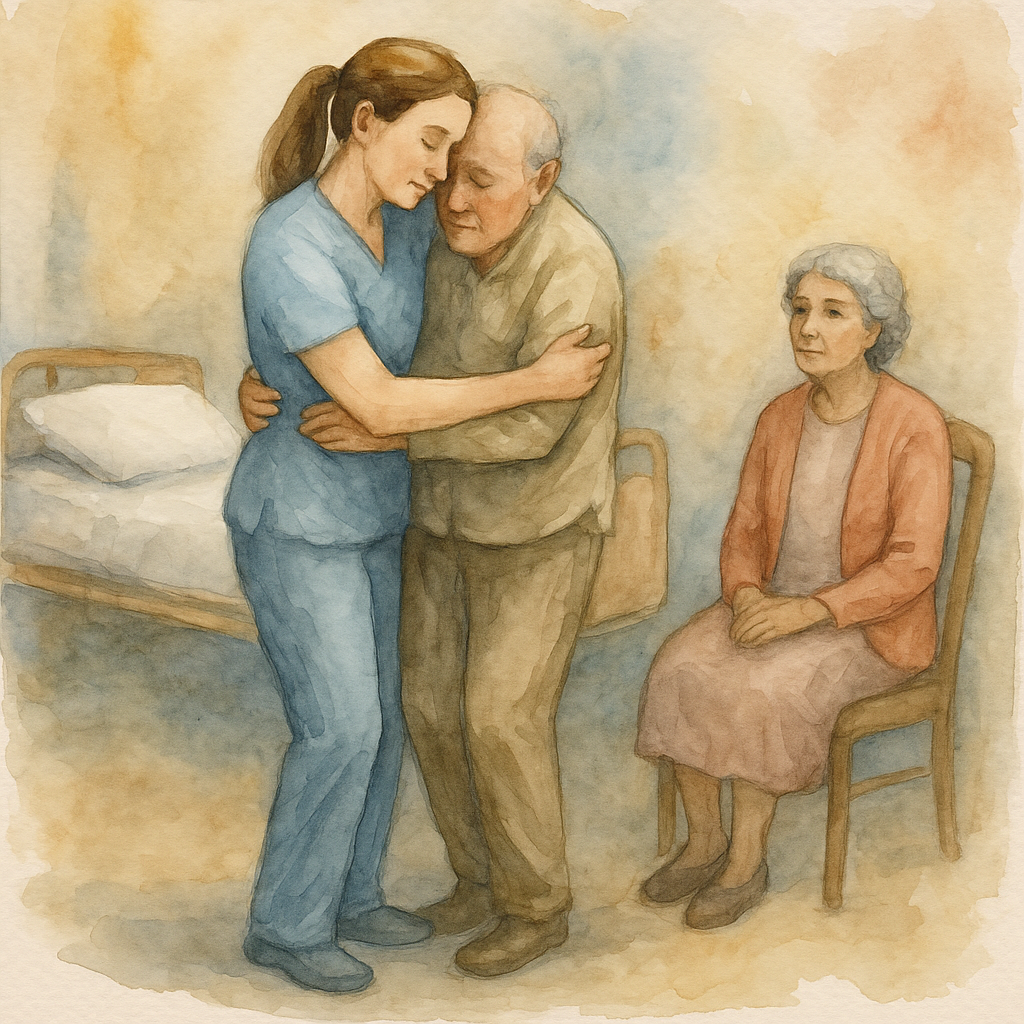
Eventually, the medication began to take effect.
He rested his head on my shoulder. His body softened. The urgency faded.
When he was finally calm, I helped him into bed — for the last time.
That night wasn’t about fixing anything.
It was about presence. Support. And meeting someone where their body was, even when it didn’t make sense.
A Faith-Centered Reassurance
For many families, restlessness at the end of life raises deeper questions.
They wonder if their loved one is afraid.
If something is unfinished.
If this stage is meant to look different.
From a faith perspective, comfort at the end of life is part of God’s mercy.
The body does not always move toward death in silence. Sometimes the transition is active before it becomes peaceful. That movement is not punishment or fear — it is part of the body letting go.
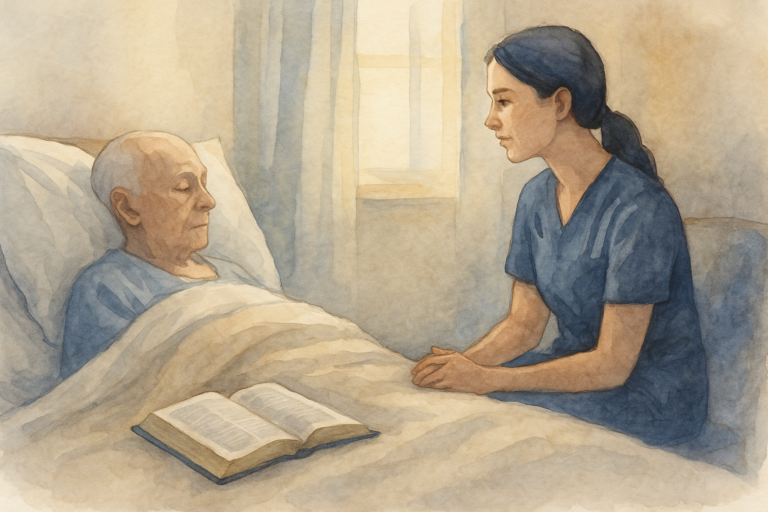
Scripture often speaks of rest, release, and being held.
In hospice care, we trust that even when the body appears unsettled, God’s presence is steady. Peace does not always look quiet at first — but it often comes.
If prayer is meaningful to you, speak it softly. If scripture brings comfort, read it gently. If silence feels right, let it be.
There is no wrong way to be present.
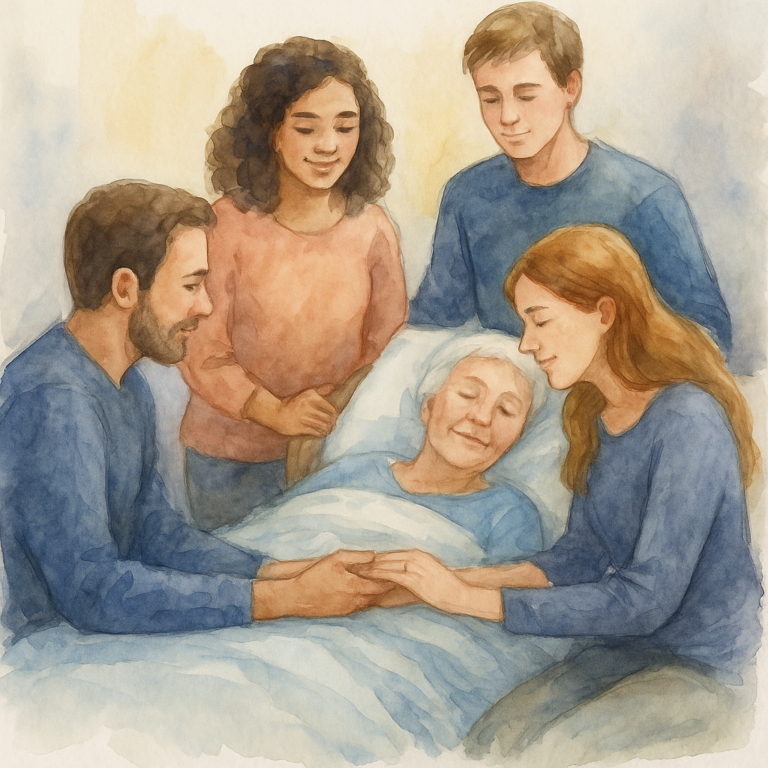
Your calm, your touch, and your love matter more than words.
Conclusion
Restlessness at the end of life is one of the hardest things families witness.
It looks uncomfortable.
It feels urgent.
And it often leaves caregivers questioning everything they’re doing.
But this stage is not your fault.
You did not cause the restlessness.
You are not failing your loved one.
And this behavior does not mean they are suffering without help.
Terminal agitation is a physical process, and with the right support, comfort is possible.
What matters most is not doing everything perfectly.
What matters is staying present.
Speaking gently.
Asking for help when it’s needed.
And loving them through a difficult transition.
This stage is hard to watch — but you are doing the most important thing.
You are there.

I hope this article brought you some clarity or comfort. Caring for someone at the end of life can feel overwhelming, and you don’t have to figure it all out alone.
If you’re feeling unsure what to do next, my Free Resources page offers simple guides and tools that many families find helpful as they navigate this season. You can also sign up for my once-weekly emails no spam, no pressure. Just gentle support and education.
If you need additional support, or simply need a place to ask a question or vent, you’re welcome to leave a comment or send me an email. You’re not doing this wrong, and you’re not alone.
Commonly Asked Questions
Terminal agitation is a state of restlessness, confusion, or anxiety that can occur as the body begins to shut down near the end of life. It is a physical process caused by changes in the brain and body, not a sign of emotional distress or anger.
As death approaches, the brain receives less oxygen and the body has more difficulty maintaining balance. These changes can cause agitation, movement, or an inability to stay still, even when the person is very weak.
Terminal agitation does not always mean a person is suffering. Although it can look distressing to caregivers, it is often a sign of the body working harder as it shuts down. With proper hospice care and medication adjustments, comfort can frequently be restored.
Yes. Comfort measures, environmental changes, and medications are commonly used to reduce agitation. Hospice nurses are trained to recognize and manage this symptom, and adjustments are often very effective.
Yes. Persistent restlessness, repeated attempts to get out of bed, or caregiver exhaustion are all reasons to call hospice. Calling early often leads to faster relief and better support.
No. Terminal agitation is not caused by something a caregiver did or didn’t do. It is part of the body’s natural process at the end of life, and asking for help is an important part of good caregiving.
Terminal agitation often occurs late in the dying process, but timing varies for each person. It usually indicates the body is becoming more fragile and may need increased comfort support.