Silence Feels Protective. Until It Isn’t.
Most families don’t avoid talking about death because they don’t care.
They avoid it because they’re trying to protect each other.
They worry that bringing it up will cause fear, sadness, or loss of hope. They don’t want to upset a parent, scare a spouse, or burden their children. Silence feels like kindness. It feels respectful. It feels safer than saying the wrong thing.
The subject is quietly set aside.
The problem is that silence has consequences.
And most families don’t realize the cost of avoiding the conversation until they are already in the middle of it.
Why Talking About Death Feels So Uncomfortable
Talking about death touches deep fears, even when we don’t consciously name them.
Many people are afraid that bringing up death will take away hope or make things feel too real. Others worry they will say the wrong thing, trigger emotions they can’t manage, or open a door they won’t know how to close.
There is also cultural discomfort. In many families, death is treated as something to avoid, soften, or joke away, rather than something to speak about plainly. We are rarely taught how to talk about it in a calm, honest way.
Underlying all of this is a powerful belief, often unspoken.
We are taught that talking about death makes it happen.
It doesn’t.
But the belief itself is strong enough to keep many people silent.
Avoidance Is Often an Act of Love
This is important to say clearly.
Most silence around death is well-intentioned.
Parents avoid the topic to protect their children from fear. Spouses avoid it to protect each other from pain. Adult children avoid it because they don’t want to upset a parent or feel like they’re giving up.
Silence is often chosen out of care, not denial.
But love does not automatically make silence harmless.
Even when avoidance comes from the best intentions, it can still create confusion, fear, and distress later on.
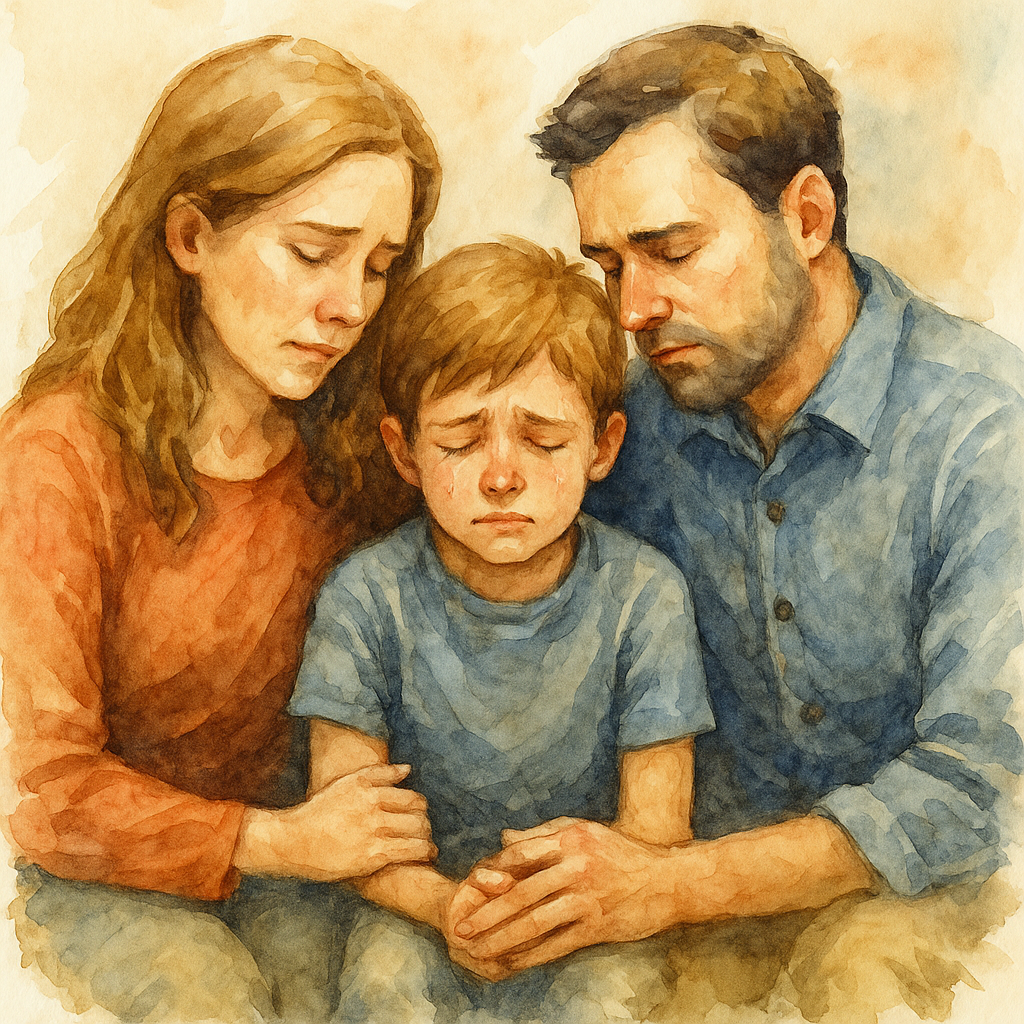
This instinct to protect is especially strong when children are involved. Many adults stay silent because they don’t know how to talk to kids about death in a way that feels safe or age-appropriate. They worry about saying too much, saying it wrong, or causing fear that can’t be undone.
But children often sense far more than we realize. When they are left out of honest conversations, they may imagine something scarier than the truth or blame themselves for changes they don’t understand.
What Happens When No One Talks About It
When conversations about death don’t happen early, decisions happen late and fast.
Families find themselves in crisis, trying to make choices under pressure. They guess what their loved one would have wanted. They argue, not because they don’t care, but because they are afraid of making the wrong decision.
Medical decisions are made quickly, often without clarity. Emotions are high. Time feels compressed. There is little space to reflect or ask deeper questions.
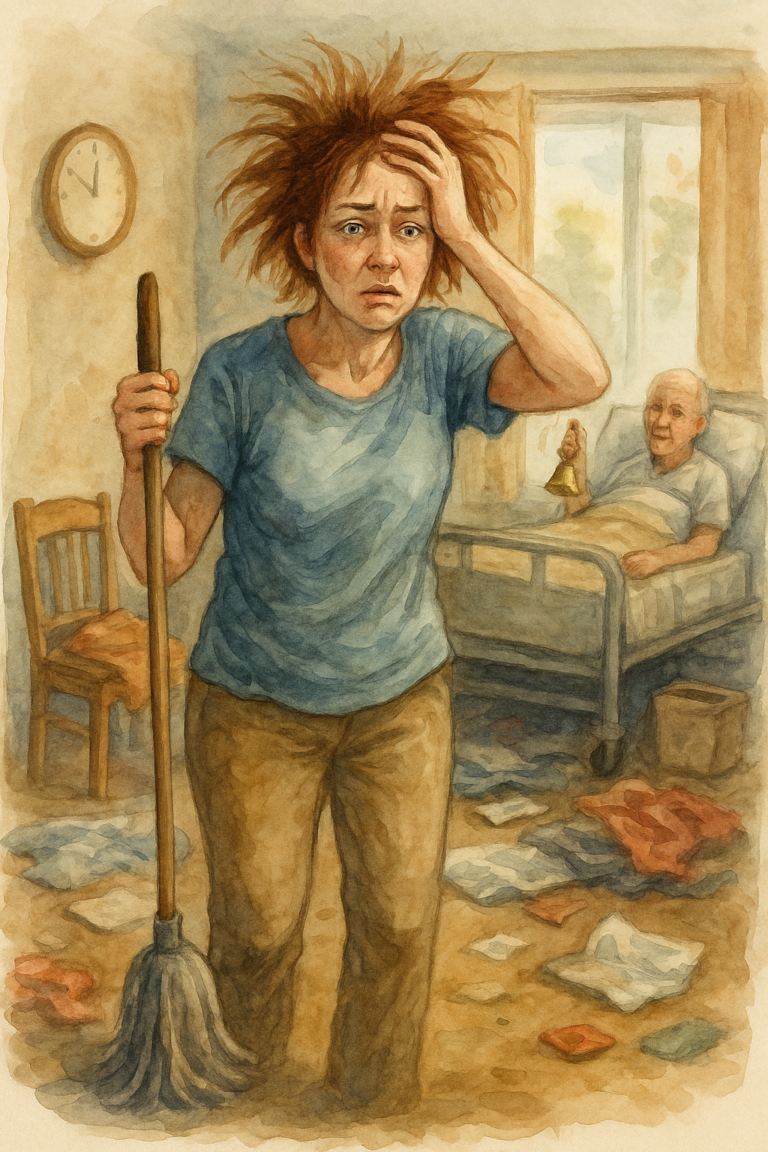
Instead of calm conversations, families are left reacting. This is not because they failed. It is because they were never given the chance to prepare.
When wishes haven’t been talked about, they also haven’t been written down. And that absence is often what makes these moments feel so heavy for families.
One way families can ease this burden is by documenting their wishes ahead of time. An advance directive allows someone to put their preferences for medical care in writing, so loved ones aren’t left guessing during moments of crisis.
For those who want to learn more or find the correct form for their state, the Hospice Foundation of America provides advance directive resources organized by state, making it easier to take this step in a thoughtful, informed way.
Many families later say they wish they had understood sooner what support actually exists and how different end-of-life care can feel when it is focused on comfort rather than crisis.
How Silence Increases Fear at the End of Life
One of the hardest consequences of silence is fear.
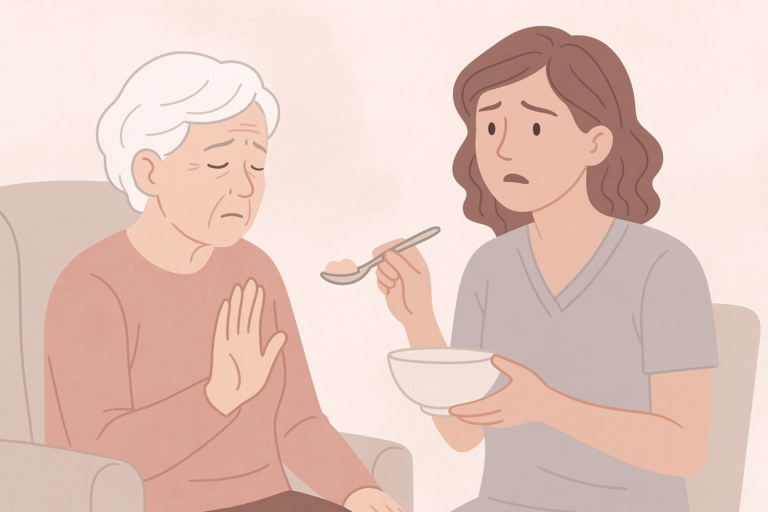
When families don’t know what to expect, normal end-of-life changes can feel terrifying. Sleeping more, eating less, breathing differently, or becoming less responsive are often interpreted as emergencies rather than natural changes.
Panic replaces presence.
Families worry that something is wrong, that they are missing suffering, or that they should be doing more. Fear grows not because the situation is chaotic, but because it is unfamiliar.
Most end-of-life fear comes from not knowing what to expect.
Changes like sleeping more, eating less, or becoming quieter are often a normal part of the dying process, but without guidance, they can feel alarming. Families may worry something is being missed or that their loved one is suffering unnecessarily, when in reality these shifts are expected and often gentle.
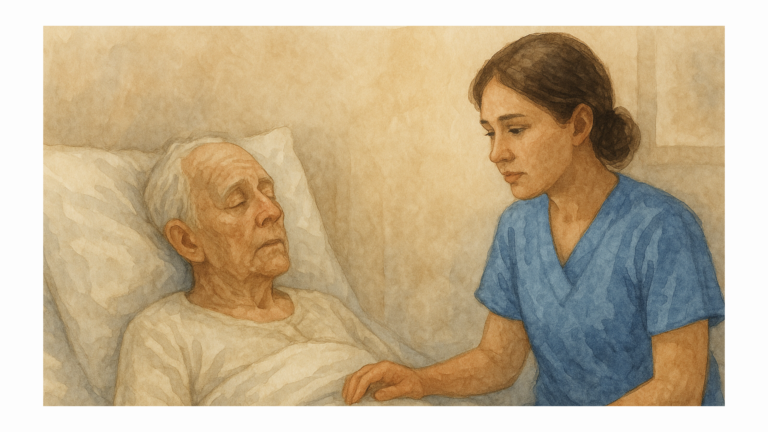
Understanding why these changes happen can help replace panic with presence and allow families to focus less on fixing and more on simply being there.

Silence Often Leads to Regret
Afterward, many families carry the same quiet thoughts.
“I wish I had asked.”
“I didn’t know what they wanted.”
“We never talked about it.”
This regret is rarely about saying the wrong thing.
It is about saying nothing.
Families often wish they had known their loved one’s preferences, fears, or hopes. They wish they had understood how decisions would feel once they were in them.
These regrets are painful because they are rooted in love.
And they are common.
Talking About Death Does Not Remove Hope
One of the biggest fears around these conversations is the belief that talking about death eliminates hope.
It doesn’t.
Hope does not disappear. It shifts.
Instead of hoping for cure at all costs, people often begin hoping for comfort, time together, dignity, or peace. These hopes are no less meaningful. In many cases, they are more grounding.
Hope does not require denial.
Families can talk honestly about death and still hope deeply. In fact, clarity often allows hope to take a healthier shape.
For some families, this shift in hope is deeply tied to faith and the belief that a peaceful death can be part of a larger, loving design.
What Talking Earlier Actually Gives Families
When families talk earlier and more openly, several things change.
There is more clarity and less guessing. Conflict is reduced because decisions are guided by known wishes rather than assumptions. Fear is softened because the unknown becomes familiar.
Families are more present. They spend less time reacting and more time connecting.
These conversations also shape where and how someone dies. Whether care happens at home or in the hospital, whether comfort is prioritized, and how supported families feel along the way are often influenced by what was discussed earlier.
Talking does not remove pain. But it often prevents unnecessary suffering.
Conclusion: Talking Is an Act of Care
Avoiding the conversation feels safer in the moment.
But talking earlier is often what protects families the most.
You don’t have to say everything. You don’t have to have perfect words. You don’t have to solve every question at once.
You just have to start.
Talking about death is not about giving up. It is about caring well. And for many families, it becomes one of the greatest gifts they give each other.

I hope this article brought you some clarity or comfort. Caring for someone at the end of life can feel overwhelming, and you don’t have to figure it all out alone.
If you’re feeling unsure what to do next, my Free Resources page offers simple guides and tools that many families find helpful as they navigate this season. You can also sign up for my once-weekly emails no spam, no pressure. Just gentle support and education.
If you need additional support, or simply need a place to ask a question or vent, you’re welcome to leave a comment or send me an email. You’re not doing this wrong, and you’re not alone.
Frequently Asked Questions
Most people avoid talking about death out of love, not denial. They worry about causing distress, taking away hope, or saying the wrong thing. Silence often feels like protection, even though it can create problems later.
No. Talking about death does not make it happen or remove hope. In fact, honest conversations often reduce fear, provide clarity, and help families feel more prepared and connected.
Avoidance leaves families unprepared for normal end-of-life changes. Without understanding what to expect, families may panic, misinterpret changes as emergencies, and feel constant fear instead of presence.
Talking earlier gives families clarity, reduces conflict, lowers fear, and allows decisions to reflect the person’s wishes. These conversations often shape comfort, care choices, and how supported families feel at the end of life.