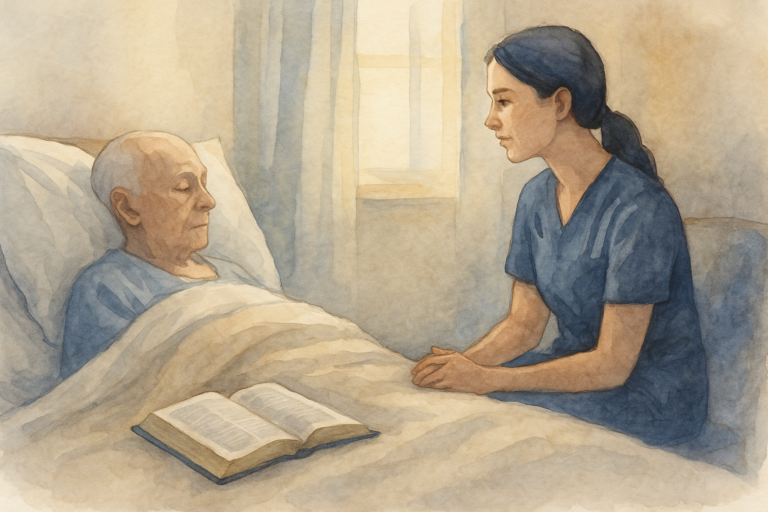
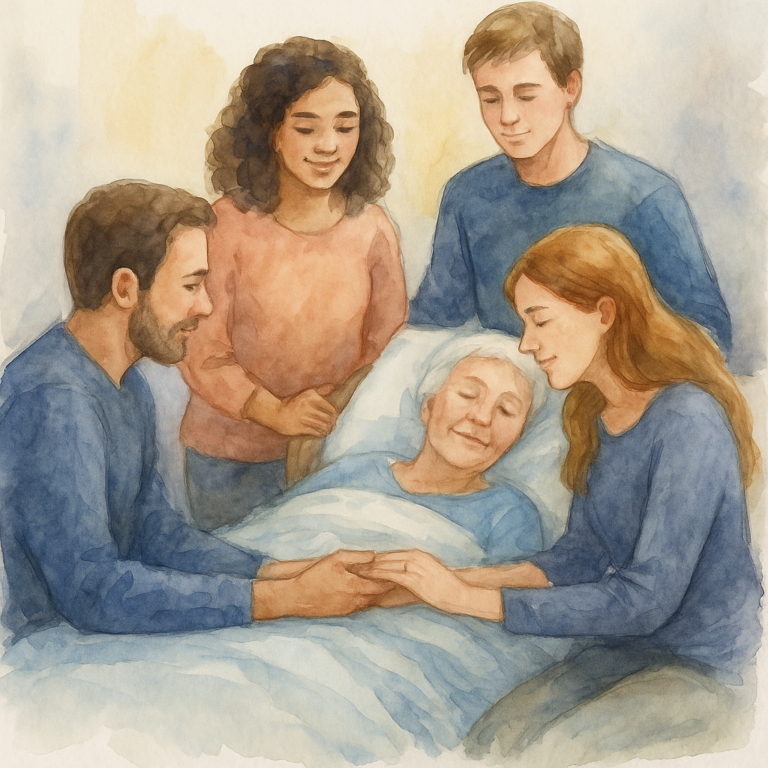
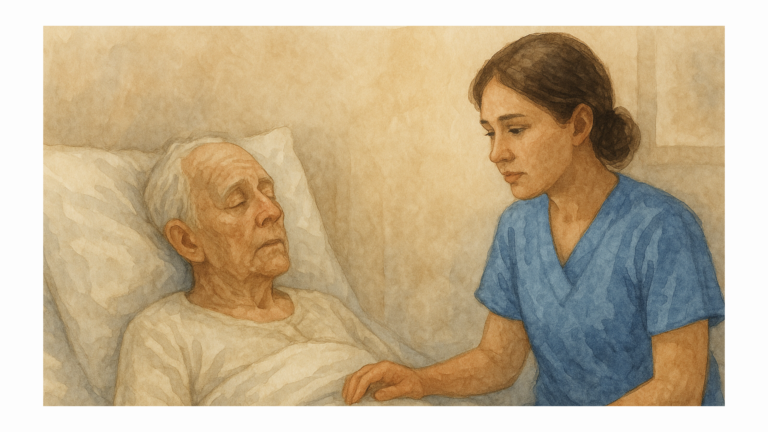
Sleeping more near the end of life is one of the most common changes families see in hospice care.
When someone you love starts sleeping most of the day, barely waking to eat or talk, it’s terrifying. People worry they’re missing something, doing something wrong, or somehow letting their loved one slip away.
They watch the hours pass. They wonder if they should wake them.
I hear the same questions over and over:
Is this normal?”
“Is this because of the medication?”
“Should we be keeping them awake?”
Here’s what I want you to know:
Sleeping more near the end of life is common.
It doesn’t mean you caused anything, and it doesn’t mean you’re giving up on them.
It means the body is slowing down.
Once you understand what’s happening, a lot of the fear around sleep starts to ease — and you can stop fighting something that doesn’t need to be fought.
Your loved one is not dying because they are sleeping; They are sleeping because they are dying.
Why Families Misunderstand Sleep at the End of Life
Families often ask if it’s normal for a hospice patient to sleep all day, or if something is being missed. When someone starts sleeping most of the day — sometimes 18 to 20 hours — families naturally assume something is wrong.
They think:
“If they’d just stay awake, they’d eat.”
“If we keep them moving, they won’t decline so fast.”
“Sleep must be causing this.”
“It has to be the medicine”
That makes sense to them. For most of our lives, sleep restores us.
When we’re sick, we rest so we can get better.
But near the end of life, the body isn’t restoring itself anymore.
Increased sleep usually means the body is conserving energy, the brain is slowing down, hunger and thirst cues are fading, and the body is preparing for what comes next.
At this stage, rest is not optional. It’s not something you can trade for strength by keeping someone awake.
Staying awake doesn’t give the body more strength. It just asks it to do more than it can handle.
That’s when discomfort, confusion, and distress start to show up.
This slowing down is part of how the body was made to work. Trying to fight it doesn’t change the outcome — it only makes the days harder. This is where many families get stuck — and where guilt starts to creep in.
Sleep Is Not Giving Up — It Is Letting Go
Your loved one isn’t being lazy.
They aren’t “declining too fast.”
They aren’t choosing sleep instead of you.
Their body is doing what bodies do at the end — slowing down and letting go.
When we try to fight that process, we usually see more:
distress
confusion
exhaustion
agitation
Not more strength. Not more connection.
It helps to pause and ask an honest question:
Do I want them awake for their comfort — or for mine?
There’s no judgment in that question.
But answering it clearly can change how peaceful these days feel for everyone. Another place fear shows up quickly is around medication.
Save
Pain Medication Doesn’t Cause the Sleep
One of the biggest fears I hear is this:
“If I give morphine or Ativan, won’t it just make them sleep more?”
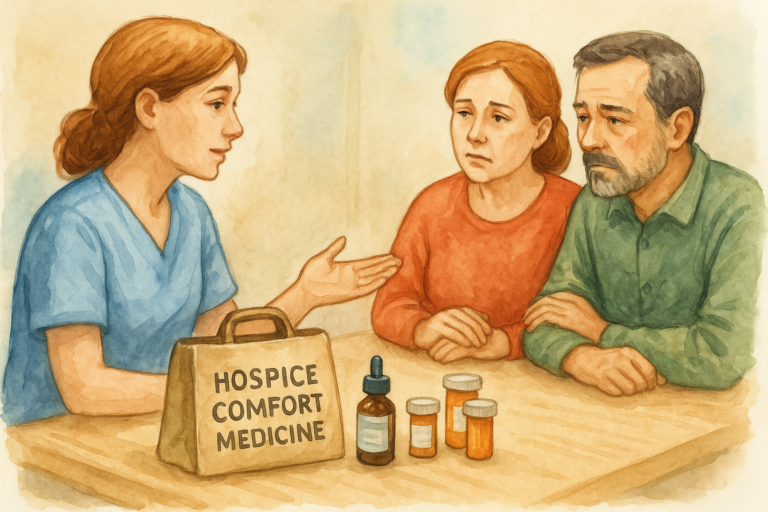
Many families worry that morphine is causing their loved one to sleep all the time, but in hospice care this is rarely the case. Hospice doses don’t work the way families often imagine. These medications aren’t given to knock someone out — they’re given to relieve pain, shortness of breath, and anxiety.
And here’s something that surprises a lot of people:
Uncontrolled pain is exhausting.
When someone is hurting, struggling to breathe, or anxious, their body is working overtime. Once those symptoms are treated, many patients actually relax — and some become clearer or briefly more responsive.
Holding back comfort in hopes of keeping someone awake usually does the opposite. It increases stress and discomfort without creating meaningful connection. I’ve seen this play out many times, but one patient stays with me.
Mary’s Story
Save
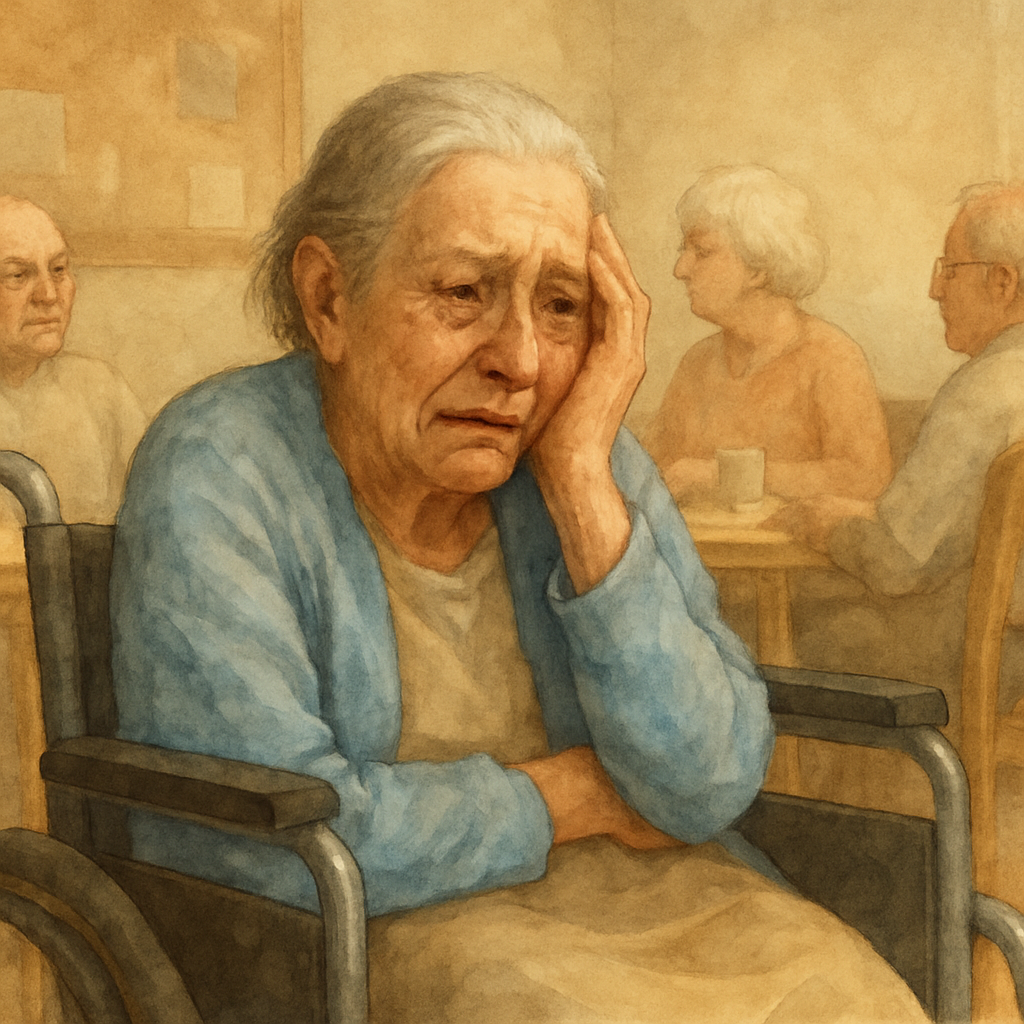
I once cared for an elderly woman with dementia whose family was determined to keep her awake.
They wanted her up, attending activities, going to meals, staying engaged. To them, rest felt like giving up.
But she was exhausted.
She begged to stay in bed.
She wanted quiet.
She was dying.
Because she didn’t understand what was happening, she began to believe the staff were being mean to her — not because they were unkind, but because they kept waking her, moving her, and insisting she attend activities and meals she didn’t want. All she wanted was to rest.
Her family loved her deeply. Their intentions were good.
But their fear made her final days harder than they needed to be.
When someone is dying, the rules change.
Rest becomes the goal — not the enemy.
My Prayer for Every Patient
I pray that your body finds the rest it needs, that you are surrounded by love, and that when the time comes, you fall asleep here and wake up in Heaven.
If you’re walking through this season right now, know this: nothing about what you’re seeing is strange or wrong.
The sleeping, the quiet, the slowing — it’s part of the body’s process, not something you caused and not something you need to fix.
If you’d like to understand more about what comes next — including changes in appetite, restlessness, or communication — I’ve written other articles that walk through those signs and what families often notice as the end draws closer.
You don’t have to read everything at once. Just take what you need, when you need it.
Save
I hope this article brought you some clarity or comfort. Caring for someone at the end of life can feel overwhelming, and you don’t have to figure it all out alone.
If you’re feeling unsure what to do next, my Free Resources page offers simple guides and tools that many families find helpful as they navigate this season. You can also sign up for my once-weekly emails no spam, no pressure. Just gentle support and education.
If you need additional support, or simply need a place to ask a question or vent, you’re welcome to leave a comment or send me an email. You’re not doing this wrong, and you’re not alone.
Frequently Asked Questions About Sleeping at the End of Life
Should I wake them up to eat or drink?
In most cases, no. If your loved one is sleeping comfortably, it’s okay to let them rest. Near the end of life, the body no longer processes food and fluids the way it used to. Waking someone just to eat often causes more discomfort than benefit. You can offer food or drink when they wake on their own — but there’s no need to force it.
Does sleeping more mean they’re dying faster?
No. Sleeping more is a result of the body slowing down, not the cause of death. Letting someone rest does not speed things up. It simply allows the body to do what it is already doing with less distress.
Are the medications making them sleep all the time?
Usually, no. Hospice medications are given in small doses to manage pain, breathing, and anxiety. Untreated symptoms are far more exhausting than the medications used to treat them. If you’re concerned about a specific medication, call hospice — that’s exactly what they’re there for.
Should we be keeping them awake to spend time with them?
It’s understandable to want that time — but forcing wakefulness often takes away from the quality of the moments you do have. Short periods of wakefulness are common. When they happen, be present. When they don’t, resting together still matters.
Is it okay to talk to them while they’re sleeping?
Yes. Hearing is often one of the last senses to fade. Talk to them. Say their name. Tell them you love them. Sit quietly if that feels right. Even without a response, connection is still happening.
Should we wake them for baths, activities, or routines?
At this stage, routines matter less than comfort. If something can wait, let it wait. If it causes distress, it’s okay to let it go. The focus now is peace — not schedules.
How do I know if the sleeping means the end is very near?
Sleeping more can happen weeks or days before death — there’s no exact timeline. What matters more than the hours slept is comfort. If you’re unsure what you’re seeing, call hospice. You don’t need to interpret this alone.
Home » Blog » Why Your Loved One Is Sleeping So Much at the End of Life
But Probably Never Say Out loud The Things We Think, Feel, and Wish You Knew Hospice nurses carry families through some of the hardest days of their lives.We walk into…
Choosing a Hospice Shouldn’t Feel Overwhelming Choosing a hospice is one of the most important decisions a family will ever make — and it often happens during an already stressful,…
The Dying Process Explained: What Families Often See Near the End of Life Most families arrive in hospice the same way. They are confused, scared, and trying to hold themselves…
Families often misunderstand what hospice really is. In this article, I break down the surprising things families don’t realize about hospice—what it truly offers, how it supports you, and why understanding these truths brings more peace to your home.
Comfort medications often scare families, but they’re safe, gentle, and meant to ease shortness of breath, pain, anxiety, and restlessness at the end of life. This guide explains what each medication does and why they do not hasten death.
When a loved one stops talking near the end of life, the silence can feel frightening and deeply personal.
Caregivers worry they said the wrong thing, waited too long, or lost connection. As a hospice nurse, I want you to know this clearly: loss of speech at the end of life is a normal physical change, not emotional withdrawal.
Understanding why talking fades — and how to stay connected without words — can bring comfort, reassurance, and peace during this stage.
Facebook
X (Twitter)
LinkedIn
More Networks
Caring for Someone at the End of Life?
Get a hospice nurse checklist so your family isn’t forced to make decisions in a crisis.
Download my free End of Life Planning Checklist. Simple steps to bring peace, clarity, and comfort before a crisis.