But Probably Never Say Out loud
The Things We Think, Feel, and Wish You Knew
Hospice nurses carry families through some of the hardest days of their lives.
We walk into living rooms full of fear, bedrooms full of exhaustion, and kitchens full of questions no one has ever had to ask before.
We keep our words gentle… but there is so much we wish we could say plainly.
We see your love.
We see your worry.
We see the way you are holding your family together even while your own heart is breaking.
And there are truths — quiet truths — that every hospice nurse carries.
Not clinical facts, but the kind of things we wish families knew
This article is where I say those things out loud
You Are Doing Better Than You Think
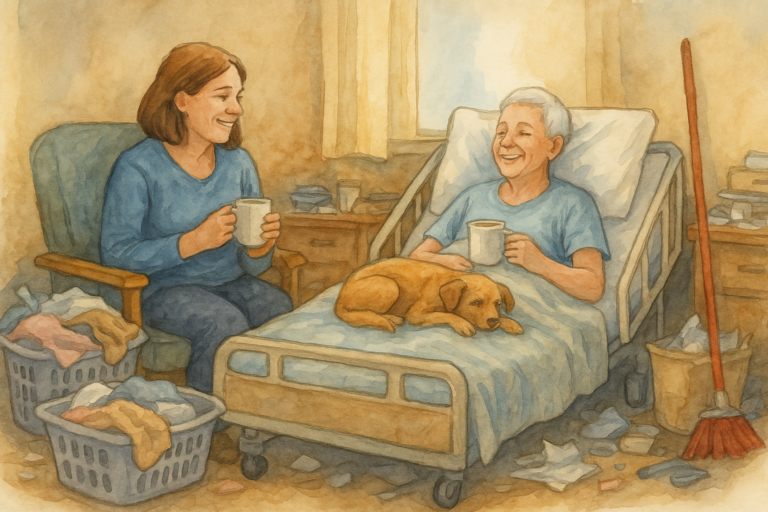
We see your love. We see your effort. We see you showing up tired, worried, stretched thin… but still showing up.
We are in awe of your strength and your courage as you care for someone you love.

You Don’t Have to Be Superhuman (And We Don’t Expect You To Be)
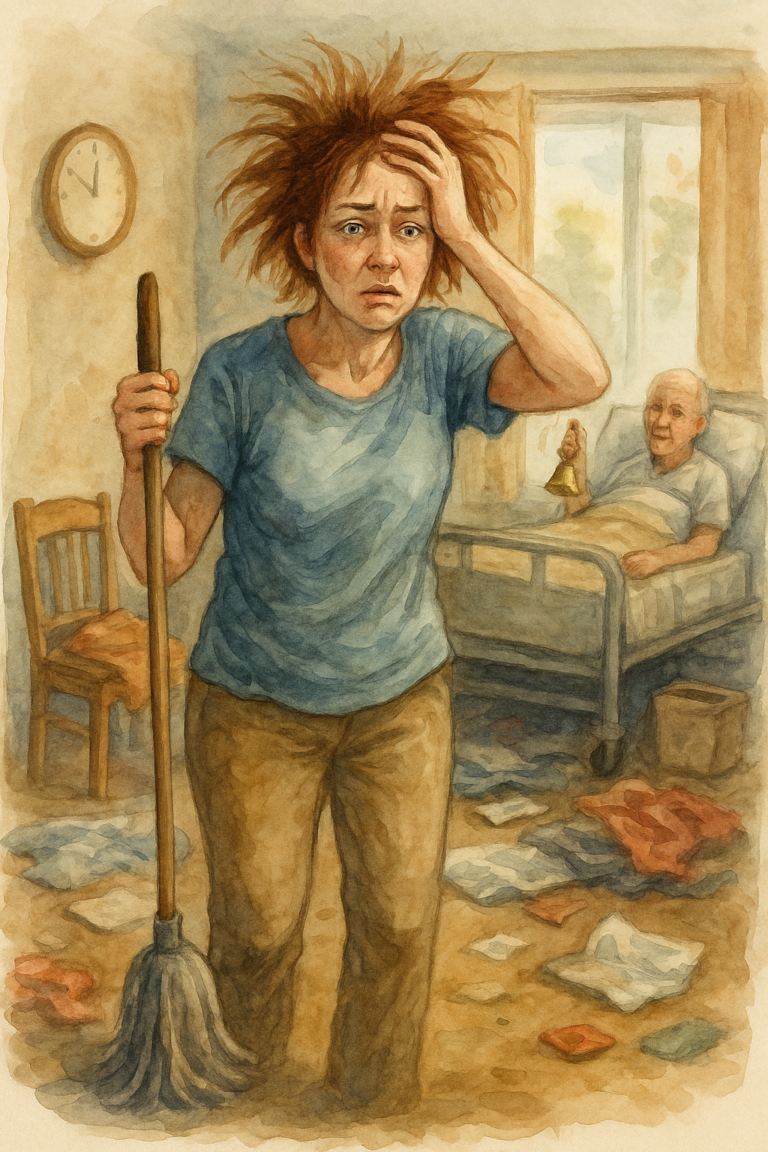
We know you’re exhausted.
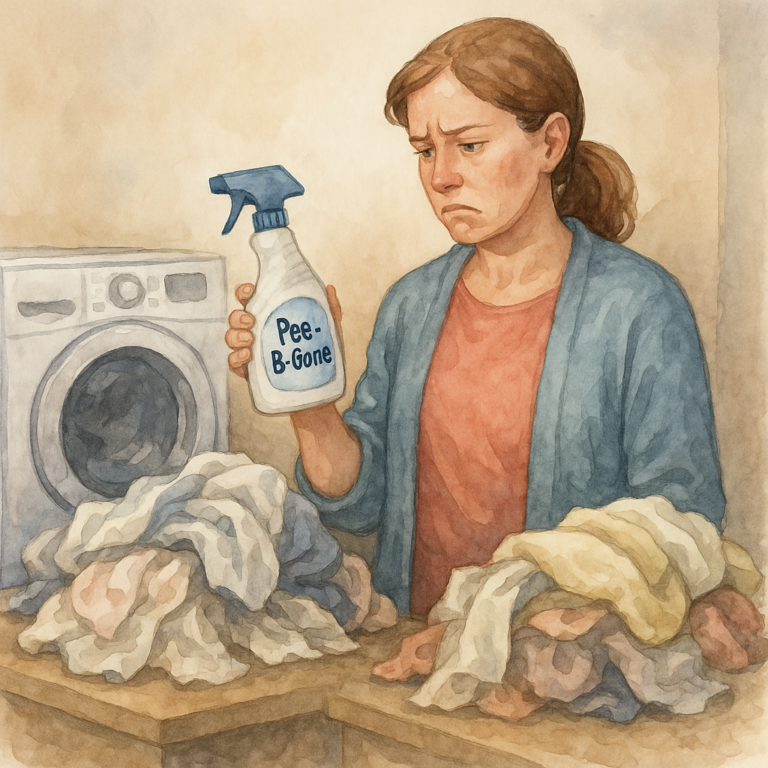
We walk into homes every day where the laundry isn’t done, the sink is full, and dinner is whatever someone had the strength to throw together. None of that matters to us — not one bit.
You are caring for a human being who is dying
Your time, your energy, and your heart are going toward keeping them safe, clean and comfortable. That is more than enough.
We don’t expect you to hold yourself together every minute of the day.
If dinner is cereal, if the dog gets a shorter walk, if the vacuum hasn’t run in a week — that’s not failure.
That’s reality.
That’s caregiving.
And truly? We are in awe of how much you’re carrying, even if you feel like you’re barely holding it together.
Morphine does not cause death. Illness causes death.
Let me say this plainly, with all the compassion in the world:
Morphine does not kill people.
Morphine relieves suffering.
I know that somewhere online there’s a post from someone’s neighbor’s aunt’s second cousin swearing that hospice “killed their granny with morphine.”
It simply is not true.
What is true is this:
- Your loved one’s body is changing.
- Their breathing patterns will shift on their own.
- Their appetite, alertness, and sleep cycles are already governed by the dying process — not by medication.
Morphine does not cause those changes. Dying does.
Here’s what hospice actually does:
We come into your home and teach you what to give, when to give it, and why.
We explain how these medications help ease air hunger, soften pain, calm anxiety, and allow your loved one to rest.
We walk you through every drop, every dose, every adjustment.
And we absolutely, unequivocally do NOT administer medications to your loved one without your permission.
You remain in control. You remain the decision-maker.
If I could place one truth into every caregiver’s heart, it would be this:
Morphine does not cause death. Illness causes death. Morphine helps that death be peaceful.
People Die the Way They Lived
Your loved one is not going to become a different person just because they’re dying.
If they were stubborn in life, they’ll be stubborn in dying.
If they were private and independent, they won’t suddenly love a room full of visitors.
If they were loud, opinionated, and always in charge — they’ll probably still try to run the show from the hospital bed.
And let me say this gently but plainly:
If they were mean and nasty in life, they probably won’t become sweet as pie just because they are dying.
Understanding this helps families stop fighting reality.
It helps you stop taking things personally.
It helps you lower the bar on expectations.
And it opens the door to focus on what truly matters:
Comfort. Presence. Peace.
You do NOT have to visit an estranged family member just because they are dying.
If they were abusive, harmful, or absent your entire life, their dying does not create a moral obligation for you to show up and get hurt again.
A deathbed does not erase history.
You are allowed to protect your peace.
You are allowed to maintain boundaries.
You are allowed to love from afar — or not at all — without guilt.
Your job is not to rewrite the past.
Your job is to survive the present with as much grace and honesty as you can.
Your Loved One Can Still Hear You, Even When They Can’t Respond
Hearing is the last sense to go.
Even when their eyes are closed…
Even when their breathing is irregular…
Even when they haven’t spoken your name in days…
They can still hear you.
And they are taking in far more than you think.
This is why I always tell families:
Be careful what you say around them.
Always — always — assume they can hear and understand every word.
And if there are things left unsaid — this is the time to say them.
The Right Time to Visit Is NOW (Not at the Very End)
Families ask this all the time:
“When should I visit?”
The right time is now.
The longer you wait, the less alert your loved one will be. People often try to predict the “final moment,” hoping to be present at the exact second their loved one dies… but in doing so, they miss the last moments of connection:
The last smile.
The last story.
The last time your loved one knew it was you in the room.
Trying to time a death cheats you out of the living that’s still happening.
You Won’t Cause Death by “Messing Something Up”
Let’s have a real conversation, caregiver to caregiver:
You are not powerful enough to kill someone with a late dose, an early dose, or a slightly-too-big dose of hospice medication. A mistake will not cause your loved one’s death.
Illness causes death. Disease causes death. The body’s natural shutting down causes death.
Families torture themselves with questions like:
- “What if I gave too much?”
- “What if I didn’t give enough?”
- “What if I had stayed awake?”
- “What if I had fed them more?”
Here’s the truth every hospice nurse wishes we could tattoo across the sky:
You are not causing death. You are easing suffering.
Comfort medications — even the ones that feel scary — are dosed for symptoms.
They do not stop the heart.
They do not stop breathing.
They do not “make death happen.”
They simply make the dying process peaceful instead of painful.
And if you’re worried about “giving too much,” trust me — we’ve taught you clear guidelines, and you can always call us, day or night. That’s what we’re here for.
Falling asleep is not a failure. It’s human.
You are caring for someone around the clock. Your body will shut down sometimes because it needs rest. That does not cause death. It means you’re exhausted and doing the work of ten people.
It’s Ok to Feel Relief When This Is Over
This one is hard to say out loud… but every hospice nurse knows it’s true:
Relief is a normal, human response to long-term caregiving and anticipatory grief.
You have been carrying a weight most people will never understand.
You’ve watched someone you love slowly decline and then die.
You’ve lived in a state of constant alert — listening for them to call out, waking up at every sound, planning your entire life around their needs.
And in the middle of all that, you’ve prayed:
“Lord, please help them.
Please give them peace.
Please let this suffering end.”
When death finally comes, it is not a betrayal to feel a loosening in your chest.
It does not mean you didn’t love them enough.
It does not mean you “wanted them gone.”
It does not mean you’re cold, ungrateful, or unfeeling.
It means you are human.
Relief often walks hand-in-hand with grief:
Relief that their suffering is over.
Relief that you can breathe.
Relief that the constant vigilance has ended.
And then — almost immediately — guilt shows up like an unwelcome guest.
Please hear me clearly:
Feeling relief does not make you a bad person.
It makes you a loving one who gave everything you had.
You were faithful.
You showed up.
You loved them all the way to the end.
There really are no stupid questions.
You would be shocked at the things families apologize for asking.
“I know this is dumb, but…”
“Sorry, I should probably know this…”
“This is a silly question, but…”
No.
Stop right there.
There are no stupid questions in hospice. None. Ever.
You are being thrown — often overnight — into roles you never trained for:
nurse, social worker, spiritual support, medication manager, safety officer, activity director, comfort expert, emotional anchor for the whole family.
Why on earth would you already know how to do all of that?
If it’s on your mind, it’s worth asking.
Ask what a medication is for.
Ask how to turn the bed.
Ask why they’re breathing like that.
Ask what’s normal.
Ask what’s not.
Ask the same question three times if you need to.
Hospice nurses forget sometimes that what feels like “common sense” to us is brand new to you. We live in this world every day — you don’t. You’re not supposed to magically understand end-of-life care.
So ask the questions.
All of them.
Over and over.
We’re here to guide you, not judge you.
You Are Not Alone — We Are In This With You
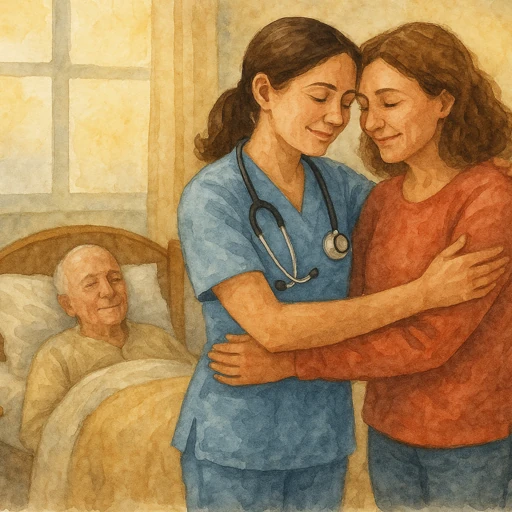
Hospice nurses carry every family quietly in our hearts.
Your grief becomes our grief.
Your relief becomes our relief.
Your stories stay with us long after we’ve left your home.
Walking a person home at the end of life is a sacred privilege —
one we do with reverence, tenderness, and deep respect.
You are not doing this alone.
You never were.
And you never will be.

I hope this article brought you some clarity or comfort. Caring for someone at the end of life can feel overwhelming, and you don’t have to figure it all out alone.
If you’re feeling unsure what to do next, my Free Resources page offers simple guides and tools that many families find helpful as they navigate this season. You can also sign up for my once-weekly emails no spam, no pressure. Just gentle support and education.
If you need additional support, or simply need a place to ask a question or vent, you’re welcome to leave a comment or send me an email. You’re not doing this wrong, and you’re not alone.