A Hospice Nurse Explains Resistance, Guilt, and What Caregivers Can Do
If you’re reading this, there’s a good chance you’ve already said some version of this sentence:
“They clearly need help… but they absolutely refuse it.”
They fall, skip medications, won’t shower, won’t eat properly, won’t use the walker, and insist they’re “just fine.”
Meanwhile, you’re watching the situation unravel in slow motion and somehow feeling like the bad guy for trying to help.
Let me say this upfront, clearly and kindly:
You are not wrong. You are not crazy. And you are definitely not alone.
Resistance to help is one of the most frustrating, emotionally exhausting parts of caregiving — and it’s incredibly common. In fact, it’s one of the top reasons families search for help when an aging parent refuses care.
What “They Don’t Want Help” Actually Looks Like
Caregivers often expect resistance to look dramatic. In real life, it usually looks quieter — and much sneakier.
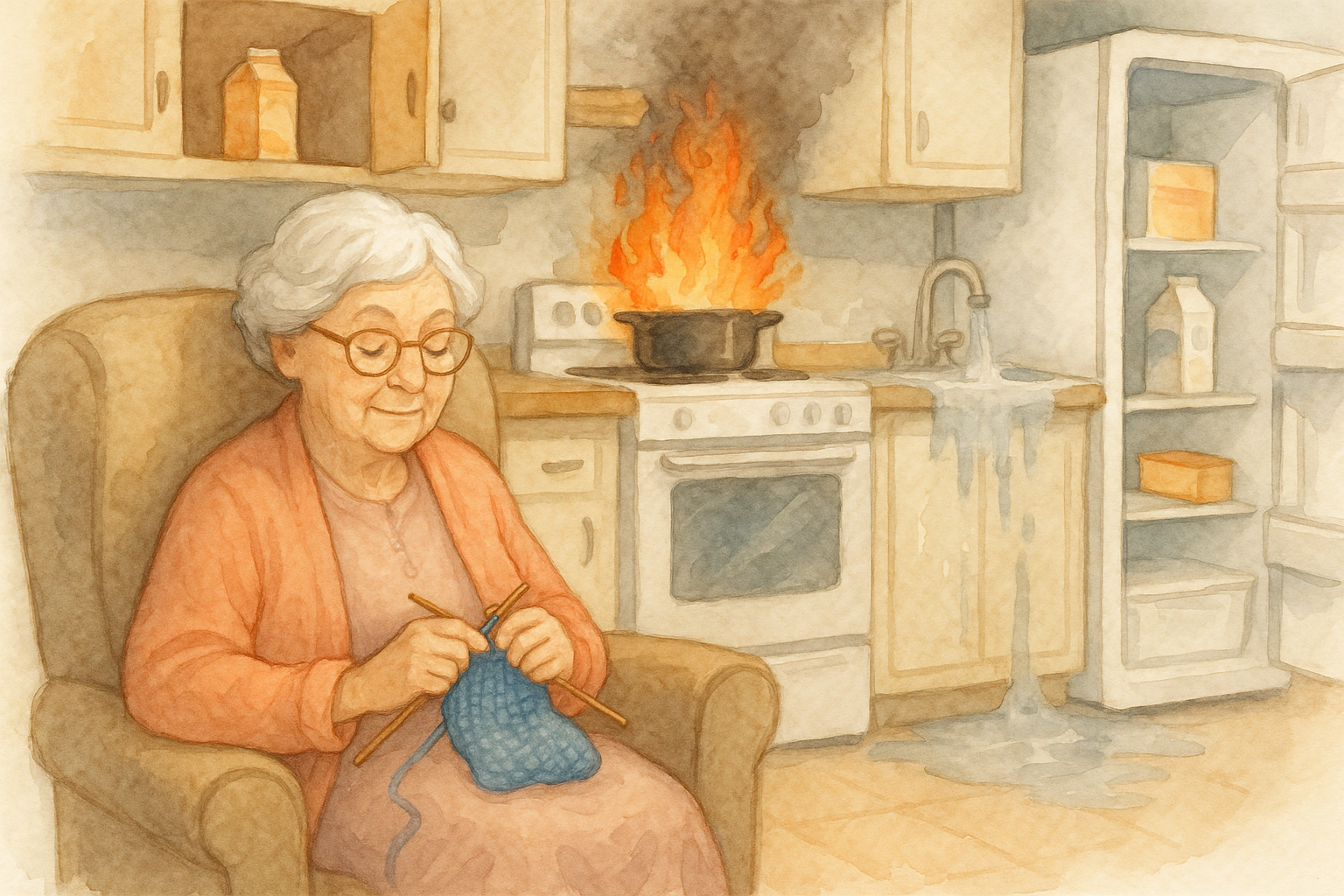
It looks like your loved one slowly pulling back from the world. They stop accepting invitations. They don’t invite you over anymore. Phone calls get shorter. They avoid or postpone your visits. When you do stop by, something feels off — but they insist everything is “just fine.”
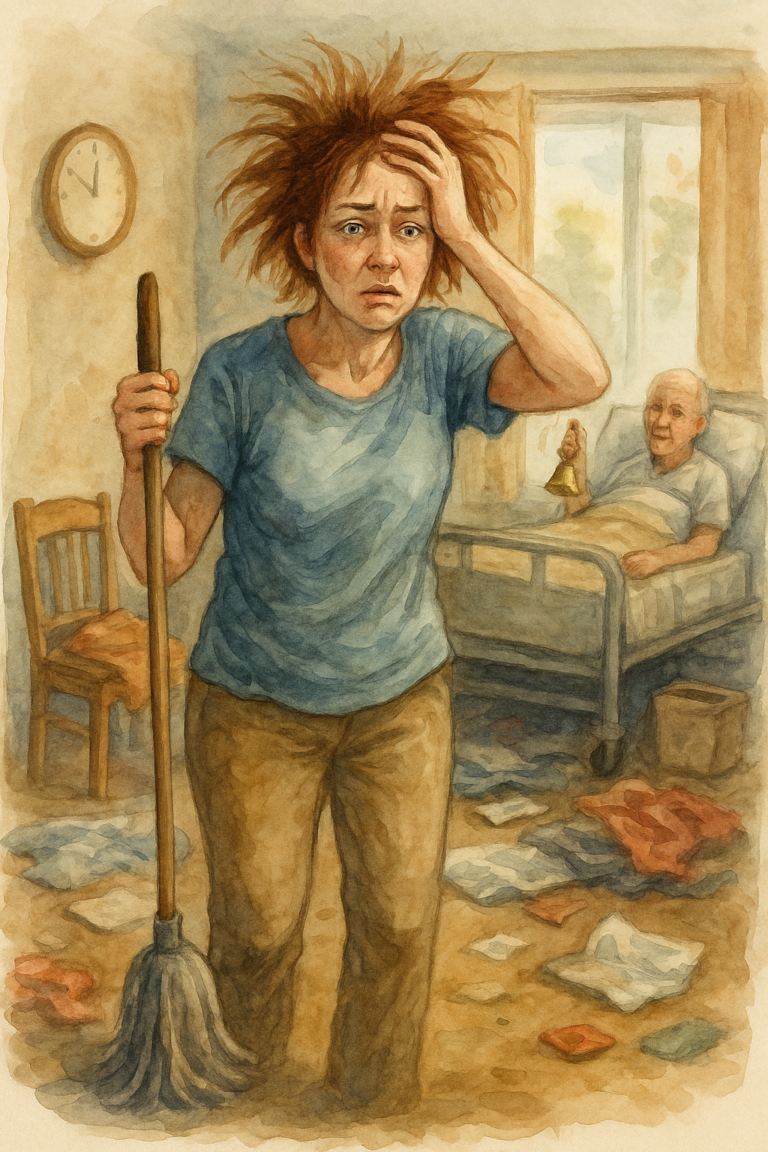
The house isn’t being kept up the way it once was. Dishes pile up. Laundry sits untouched. Trash lingers. Things that used to matter suddenly don’t. Or they matter, but your loved one no longer has the energy or strength to manage them.
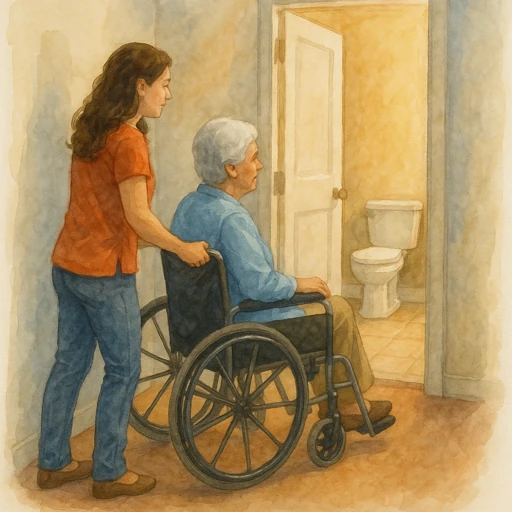
You might notice skipped meals or an emptier refrigerator. Weight loss brushed off as “I just don’t eat much anymore.” Medications missed or taken inconsistently. A walker left behind — not because it isn’t needed, but because carrying it feels like admitting something has changed.
Sometimes help is only accepted from one very specific person, while everyone else is pushed away. Other times, assistance is refused entirely, even after falls, close calls, or obvious decline.
And through all of it, you hear the same reassuring phrase:
“I’m fine.”
As independence fades, resistance often increases — not because they’re difficult, but because they’re scared of what help might mean.
Why They Resist Help (And Why It’s Not What You Think)
Most people assume resistance comes from stubbornness.
In hospice, I can tell you that’s rarely the case.
I have a family friend, an elderly woman who had lost 45 pounds in just three months. No cancer flare. No mysterious illness. The reason was heartbreakingly simple: she wasn’t strong enough to get to the refrigerator, make meals, or go grocery shopping anymore.
She didn’t tell anyone.
Not her children. Not her neighbors. Not even her doctor.
Why? Because she didn’t want to leave her house.
In her mind, asking for help meant starting a chain reaction she couldn’t stop. Help would lead to people “checking on her.” Checking on her would lead to opinions. Opinions would lead to decisions. And decisions might mean leaving the home she loved.
So she smiled. She reassured. She minimized.
“I’m fine.”
“I’m just not hungry.”
“I eat when I need to.”
People who resist help are often working very hard behind the scenes to protect their independence — even when that independence is already slipping away.
For many older adults, accepting help feels like admitting loss. Loss of control, privacy, dignity. Sometimes even loss of identity. They’ve spent a lifetime being capable, providing for others, solving problems on their own. Needing help can feel like failure, even when it isn’t.
Others resist out of fear. Afraid that help means things are getting worse. Fear that accepting assistance means they’re closer to “the end.” Fear that once the door opens, it will never close again.
And sometimes, resistance isn’t conscious at all. Cognitive changes, early dementia, depression, or simple exhaustion can cloud insight. Your loved one may truly believe everything is fine — even as the evidence quietly piles up around them.
This is especially common when an elderly parent refuses help but insists they are still independent. Resistance is rarely about pushing you away. It’s usually about holding on — with everything they have. Because so much of this happens quietly, families often don’t realize how serious things have become — until they have no choice but to act.
Why These Changes Are So Often Missed (Until Everything Suddenly Changes)
Here’s something families almost always say to me:
“I had no idea things were this bad.”
And they mean it.
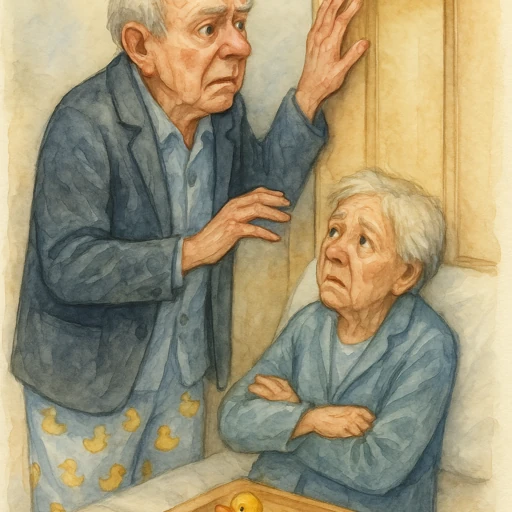
Many older adults are very good at hiding decline. They compensate and adapt. Quietly stop doing things instead of asking for help. They give reassuring answers because that’s what they’ve always done.
Phone calls get shorter. Invitations get declined. Visits get postponed. “I’m fine” becomes the default response — even when it isn’t true.
Many people hide decline because acknowledging it feels like losing control. Others hide it because they don’t want to worry their family. Some are simply doing the best they can with a body or mind that isn’t cooperating anymore.
Caregivers often don’t see the gradual changes because there aren’t obvious ones. The house is picked up before you arrive. The walker is pushed out of sight. The fridge looks stocked — even if the food hasn’t been touched in weeks.
And then something happens.
Usually, it’s not subtle.
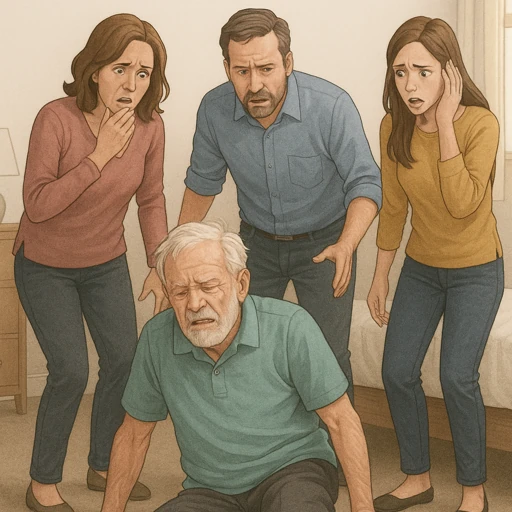
It’s a fall that leads to an ER visit.
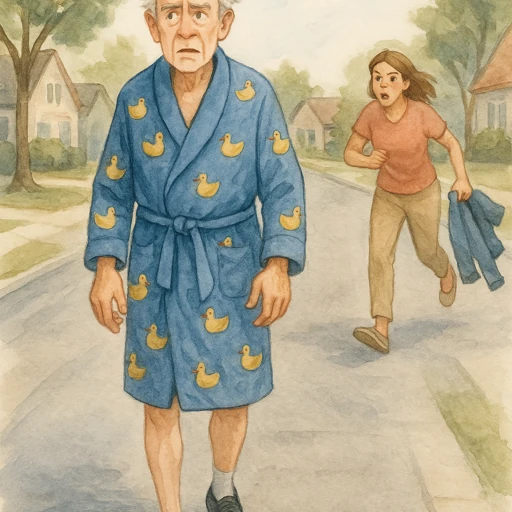
A call from a neighbor saying your dad was wandering down the street in pajamas confused and exposed.
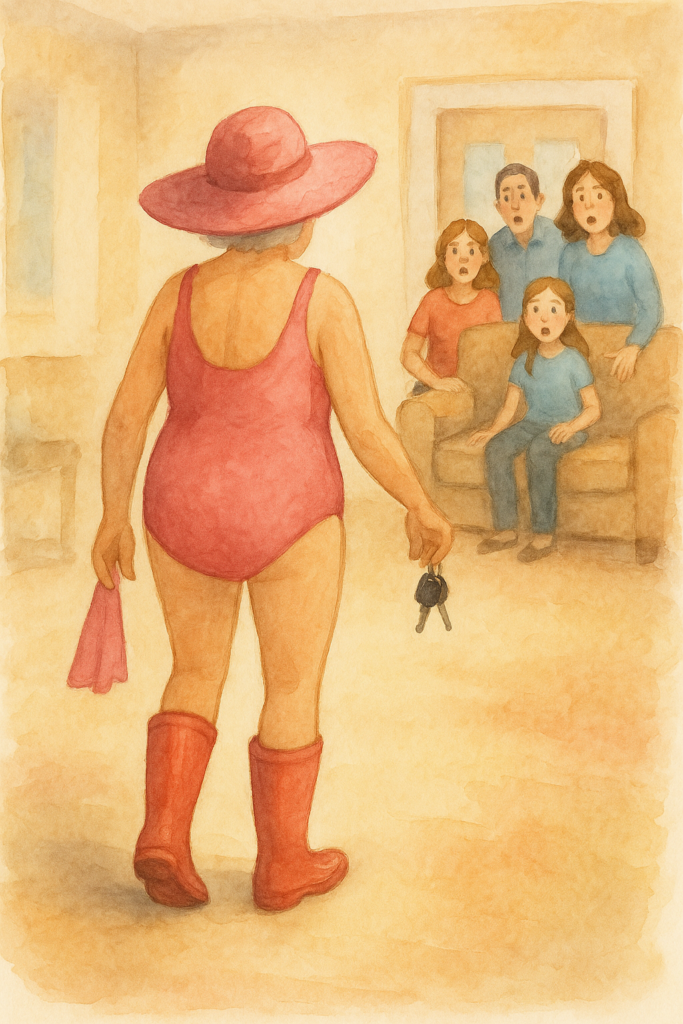
You arrive to pick up Aunt Helen for lunch and she answers the door dressed in a way that makes your stomach drop.
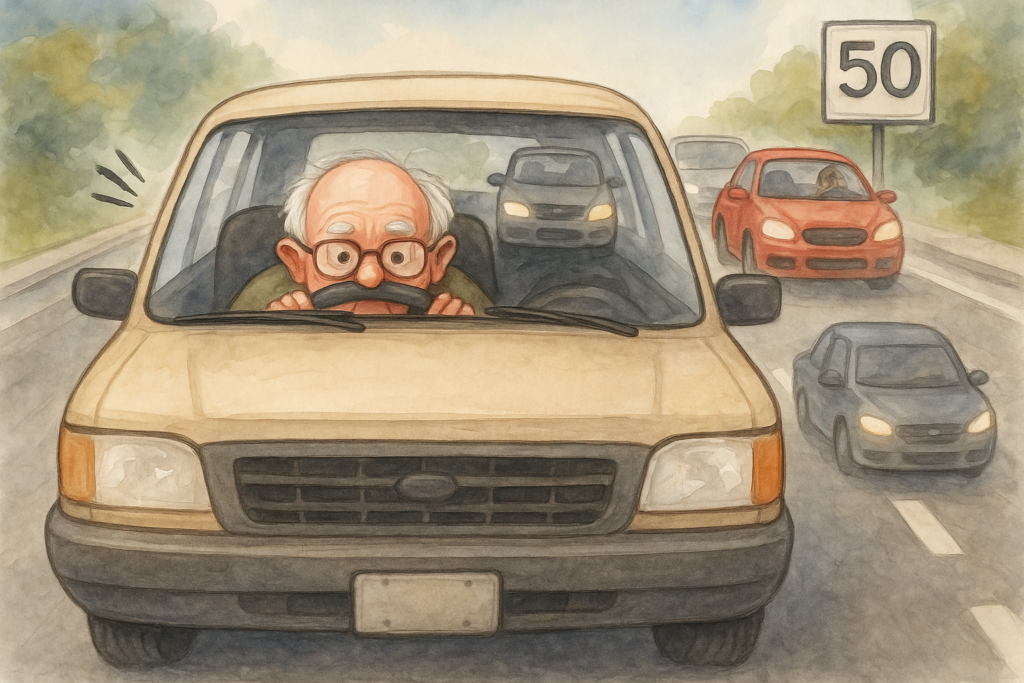
Or the phone rings and it’s the police — because they picked your father up driving 30 miles per hour on the interstate.
Whatever the catalyst is, it’s rarely subtle.
That’s the moment the illusion shatters.
And once it does, you start noticing all the things that had been hidden so carefully before.
The house isn’t just a little messy — it’s been slowly falling apart. Meals haven’t just been skipped — they haven’t really been eaten. The walker wasn’t forgotten once — it’s been avoided on purpose. Medications weren’t missed accidentally — they’ve been inconsistent for a while.
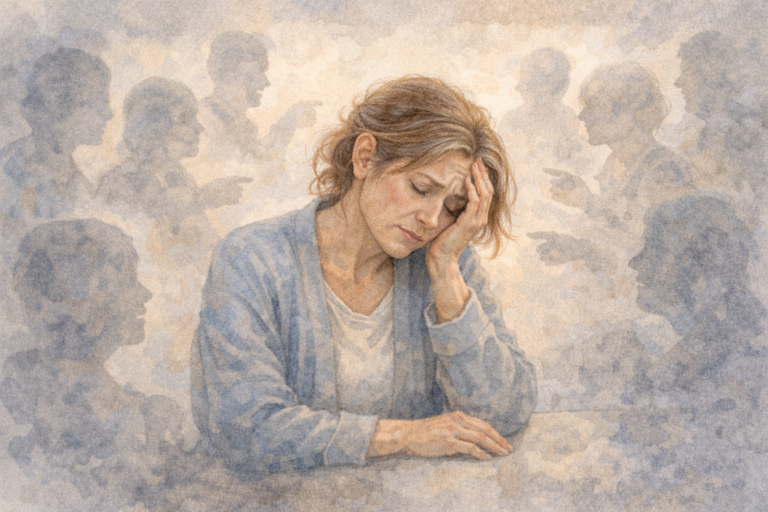
This is often the moment caregivers feel blindsided — and guilty.
How did I not see this sooner? Why didn’t they tell me? Was I not paying attention?
You didn’t miss the signs because you weren’t involved. You missed them because your loved one worked very hard to hide them.
This is usually when caregiving changes permanently. Not because you suddenly became controlling, but because the situation finally became impossible to ignore.
And from this point forward, safety has to matter as much as independence — even when that shift is painful for everyone involved.
When Resistance Turns Into a Safety Issue
There’s an important line caregivers eventually reach.
At first, resistance is frustrating. Then it’s exhausting. And eventually, it becomes dangerous.
You start noticing falls or close calls that are brushed off as “nothing.” Medications are missed, doubled, or taken inconsistently. Meals are skipped. Hygiene declines. The house no longer feels safe. Wandering, driving issues, confusion — things that can’t be explained away anymore — begin to appear.
This is often the point caregivers start asking, “When do I step in for my elderly parent’s safety?”
At that point, this is no longer about preference or independence.
When safety is at risk, help is no longer optional — it’s necessary.
That shift doesn’t make you cruel or controlling. It makes you responsible.
The Caregiver Tug-of-War: Independence vs. Safety
You can’t ignore the risks anymore — but stepping in feels awful. Every option feels wrong. If you push, you feel like a bully. If you don’t, you’re lying awake at night wondering what could happen next.
You want to respect their independence. You really do.
But you’re watching reality pile up in front of you — and your loved one is
angry
In their mind, everything is fine. They don’t need help. They don’t want help. And they are not interested in your opinion, thank you very much.
This is where things get real.
You’re trying to keep them safe. They’re fighting you at every turn. And eventually, something big happens — a fall, an accident, a hospitalization — and the game is over.
Now you’re making decisions you never wanted to make.
Moving them in with you.
Assisted living.
A nursing home.
Almost overnight, everything changes — for you and for them.
And no one is happy about it.
What Actually Helps When Decisions Have to Be Made Now
Once the catalyst happens — the fall, the hospitalization, the call you never expected — the conversation changes.
This is no longer about keeping things the same.
It’s about deciding what comes next.
And when your loved one is fighting you tooth and nail, logic alone isn’t enough.
Here are the things that actually help in this stage.
Stop Trying to “Win” the Argument
At this point, convincing your loved one they’re wrong is rarely productive.
They’re scared. You’re overwhelmed. Everyone is grieving something — independence, control, normalcy.
Arguing facts often makes resistance stronger. Instead of focusing on who’s right, shift the conversation to what’s needed right now.
Safety isn’t a debate. It’s a requirement.
Name the Change as Temporary — Even If You’re Unsure
One of the biggest fears people have is that once they agree to something, it’s permanent.
You don’t have to solve the rest of their life today.
Language matters here:
- “Let’s try this for now.”
- “This is a short-term plan while we figure out next steps.”
- “We can reassess after things stabilize.”
Even if you suspect the change may become permanent, framing it as for now often reduces panic and resistance enough to move forward.
Give Choices — Even When Options Are Limited
When someone feels powerless, even small choices matter.
You may not be able to offer no change, but you can often offer:
- Which facility to visit first
- Whether to move personal items now or later
- Who helps with the transition
- When conversations happen
Choice restores dignity — and dignity lowers resistance.
Bring in Outside Voices Early
This is one of the most important steps — and one families delay far too long.
Doctors, hospice teams, social workers, discharge planners, and care coordinators can say things caregivers can’t. Not because they’re smarter — but because they aren’t emotionally entangled in the same way.
Sometimes hearing, “This isn’t safe anymore,” from a professional shifts the conversation from conflict to reality.
This is not “ganging up.”
This is building support.
Plan Before You’re Forced to React Again
Once one crisis happens, another often follows — unless plans change.
This is the moment to start thinking through options:
- What happens if they can’t return home safely?
- Who can realistically provide care?
- What level of supervision is needed?
- What resources are available?
You don’t need all the answers today — but you do need to start asking the questions. If you’re feeling overwhelmed by where to start, services like A Place for Mom can help families explore assisted living, memory care, and care home options in their area — at no cost to you.
My goal for families at this stage is simple:
Never be forced to make major decisions in the middle of another emergency.
Accept That No Option Will Feel Good
This is the part no one likes to admit.
When decisions have to be made now, there is rarely a choice that makes everyone happy.
They will be upset.
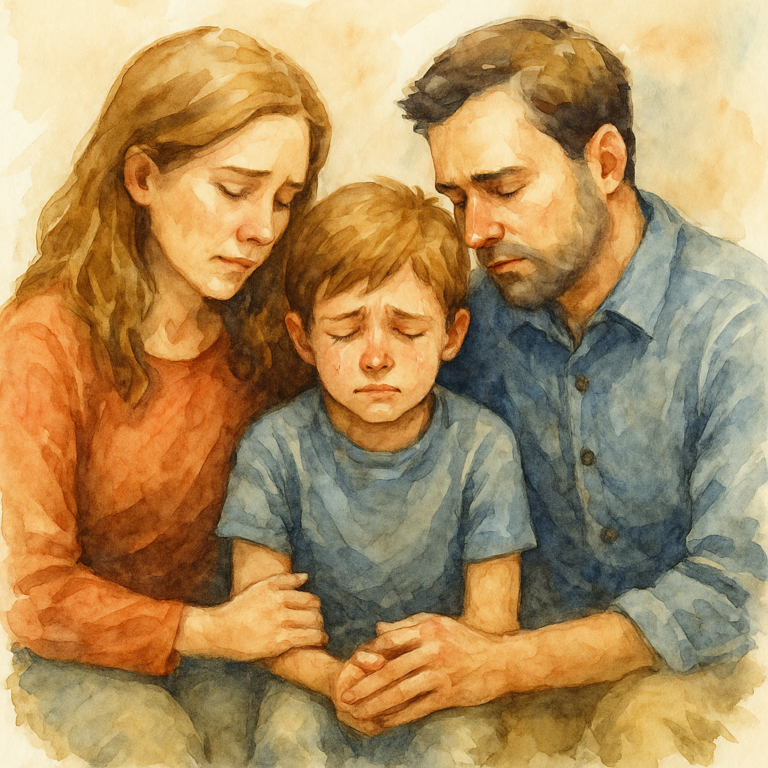
You will feel guilty.
You both will likely feel angry or betrayed.
That doesn’t mean you chose wrong.
It means you chose safety in a situation where every option carried loss.
A Note About Car Keys
In my 20+ years as a nurse, I have rarely seen someone hand over their car keys willingly.
Driving represents freedom, identity, and independence. Losing it is one of the biggest losses an older adult faces — and it will be fought over.
You can
- go to the doctor
- have their license revoked
- have everyone agree they are no longer safe to drive.
And it often won’t matter.
They won’t believe it applies to them.
If your loved one is no longer safe to drive, this becomes a safety issue, not a negotiation.
For their safety — and the safety of everyone else on the road — the car keys must be removed from the home.
Not hidden.
Or moved around.
Not placed “somewhere they won’t look.”
I promise you: they will find them.
Remove the keys completely.
Remove the vehicle if needed.
Lock the keys away outside the home.
This is one of the hardest lines caregivers have to hold — and one of the most important.
You are not being cruel.
You are preventing a tragedy.
If you’re unsure how to do this safely, talk with a medical provider or social worker about next steps.
A Hospice Nurse’s Perspective
I’ve watched caregivers burn themselves out trying to convince someone who simply wasn’t ready to agree.
The turning point almost always comes when families stop asking, “How do I make them understand?”
And start asking, “What support makes this safer — for everyone?”
Once safety becomes the priority, the constant tension eases. Not because the situation is easy, but because the goal becomes clear.
Caregiving stops being a battle to win — and becomes a responsibility to manage.
If this constant tension has left you exhausted, you may also want to read
The Caregiver’s Survival Guide to Burnout.
Final Word: You’re Not the Villain
If you’re helping someone who doesn’t want help, please hear this:
You are not being cruel or taking something away for no reason.
You are responding to real needs.
Helping someone who resists care is one of the hardest acts of love — and you’re allowed to do it imperfectly.
Sometimes love doesn’t look gentle.
Sometimes it looks like stepping in anyway.
And that doesn’t make you the villain.
It makes you the one willing to do the hard thing.

I hope this article brought you some clarity or comfort. Caring for someone at the end of life can feel overwhelming, and you don’t have to figure it all out alone.
If you’re feeling unsure what to do next, my Free Resources page offers simple guides and tools that many families find helpful as they navigate this season. You can also sign up for my once-weekly emails no spam, no pressure. Just gentle support and education.
If you need additional support, or simply need a place to ask a question or vent, you’re welcome to leave a comment or send me an email. You’re not doing this wrong, and you’re not alone.
Frequently Asked Questions
any people resist help because it feels like a loss of control, dignity, or independence. Fear, pride, and cognitive changes all play a role.
When you start seeing falls, missed medications, unsafe behaviors, poor nutrition, or confusion, safety has likely become more important than independence.
Stepping in for safety is not cruelty — it’s responsible caregiving. When someone is no longer safe, help becomes necessary, even if they resist it.
This is common. Involving medical professionals, hospice, or social workers often helps shift the conversation from conflict to safety and support.
If driving is no longer safe, keys should be removed from the home completely. Hiding them rarely works and can increase risk.
Anger is often a response to fear, grief, or loss of independence — not a rejection of you.
Yes. Hospice teams are experienced in managing resistance, safety concerns, and family conflict while prioritizing comfort and dignity.