A Hospice Nurse’s Honest, Gentle Reality Check
When Caregiving Feels Like Too Much
Are you exhausted, irritable, numb, or secretly hoping someone else will take over? Then this is for you.
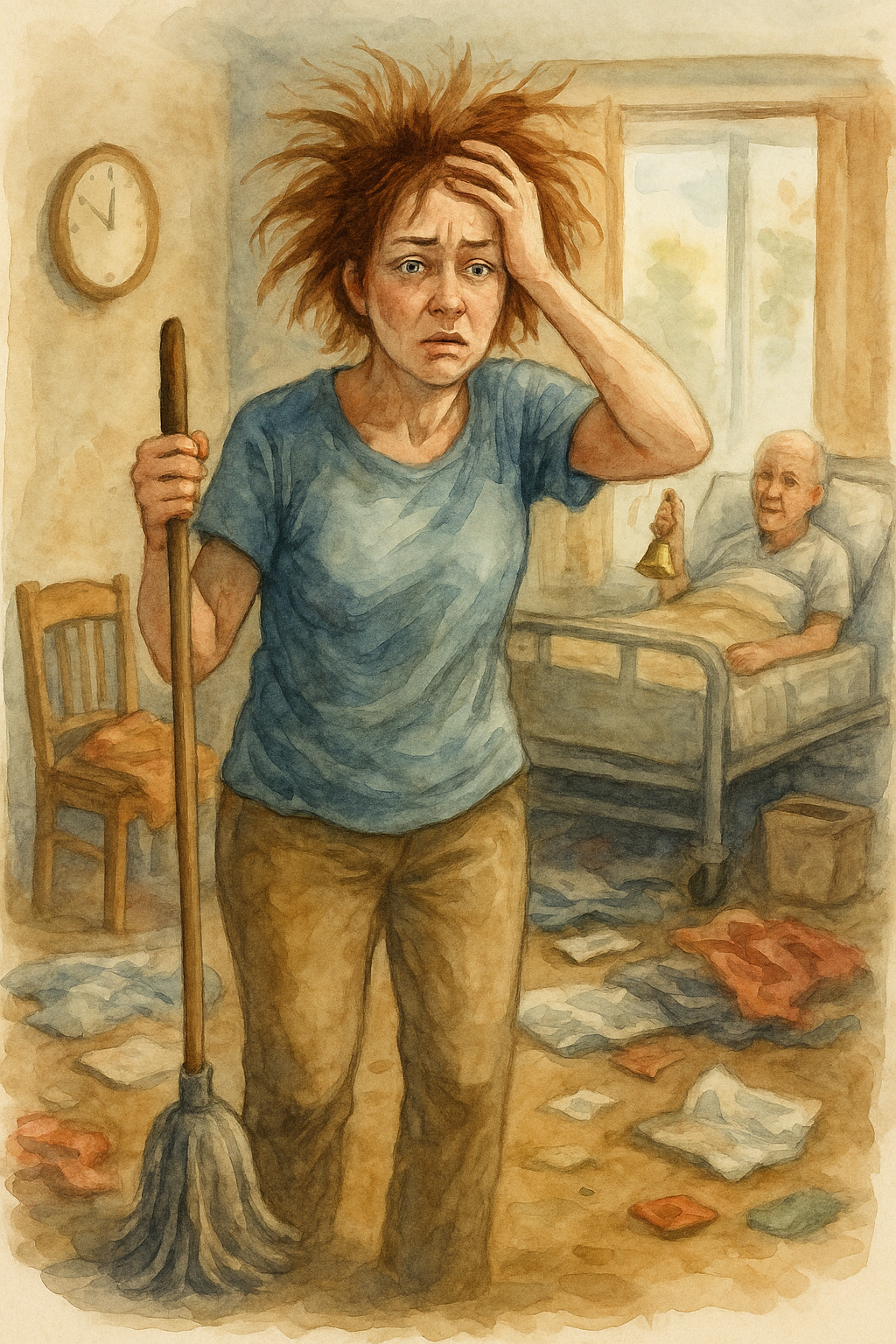
Caregiver burnout doesn’t usually arrive with a dramatic breaking point. It creeps in quietly. It settles into your body and mind over weeks or months of responsibility, interrupted sleep, constant worry, and emotional strain. Many caregivers don’t even realize they’re burned out until they’re already running on empty.
Let me say this clearly, before guilt has a chance to speak up: caregiver burnout does not mean you don’t love your loved one. It does not mean you’re weak, selfish, or failing. Burnout is a normal human response to prolonged stress and sustained responsibility—especially when the stakes are high and the support is low.
What Does Caregiver Burnout Look LIke?
Most caregivers imagine burnout as a dramatic collapse. In reality, it’s usually far quieter and far more common.
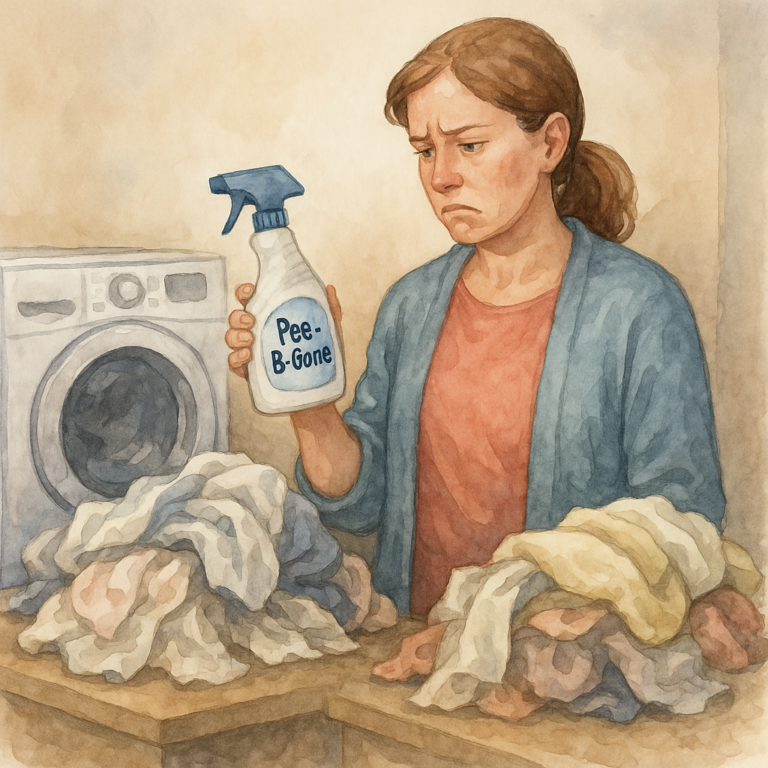
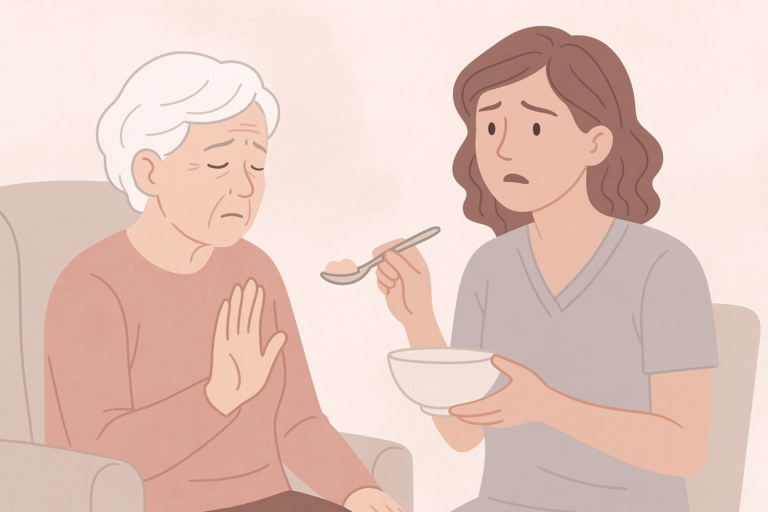
Burnout often shows up as a deep physical exhaustion that doesn’t improve with sleep. You may find yourself snapping at people you love, then feeling ashamed afterward. Some caregivers describe feeling emotionally numb—like they’re moving through the days on autopilot. Brain fog, forgetfulness, and difficulty concentrating are common, especially when stress has been ongoing.
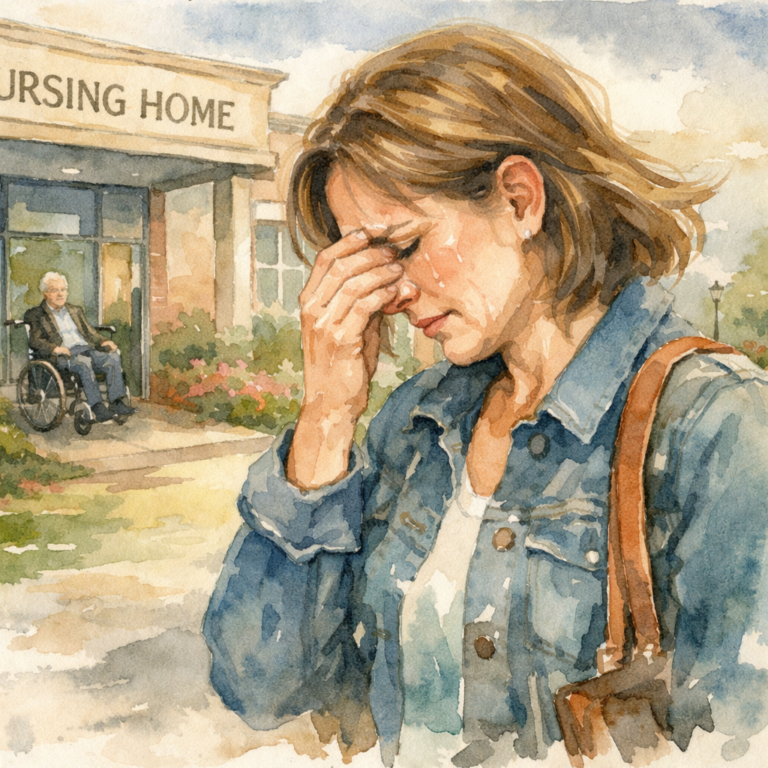
There’s often guilt layered on top of everything else. Guilt for wanting a break. Guilt for resenting the situation. Guilt for wishing life could go back to the way it was. And underneath that guilt, many caregivers feel trapped or profoundly alone, even when others are physically present.
Burnout doesn’t usually announce itself. It whispers.
Why Do Caregivers Burn Out?
Caregiver burnout isn’t just about being busy. It’s about carrying responsibility without relief.
Many caregivers live in a state of constant hypervigilance. You’re always listening for changes, watching for symptoms, anticipating needs. Even when you sit down, your nervous system doesn’t fully rest. Your mind stays on alert.
There’s also the emotional labor—anticipatory grief, worry about the future, and the ache of watching someone you love change or decline. On top of that, caregivers often juggle multiple roles at once: nurse, advocate, spouse, child, parent, employee. And too often, this work goes unnoticed or unacknowledged.
Caregiving isn’t just physical. It’s emotional, mental, and spiritual. When all of those systems are stretched for too long, burnout is not a surprise—it’s predictable.
The Myths That Keep Caregivers Stuck
Many caregivers push through burnout because of the stories they tell themselves.
- “I should be able to handle this.”
- “Other people do more than I do.”
- “If I rest, I’m being selfish.”
- “No one else can do this the right way.”
These beliefs don’t come from weakness. They come from love, loyalty, and a deep sense of responsibility. But they aren’t sustainable. Over time, these thoughts keep caregivers trapped in cycles of overgiving and under-resting, until something finally gives.
Early Warning Signs Caregivers Often Ignore
Burnout doesn’t wait until life feels manageable. It often shows up in subtle ways that are easy to dismiss.
You may start dreading simple tasks or feeling guilty no matter what you do—whether you rest or keep going. Some caregivers notice they stop caring about things they once valued, or they feel invisible, like their needs no longer register. A common phrase I hear is, “I just need to get through this week.” When that thought repeats itself week after week, it’s worth paying attention.
Burnout doesn’t ask for permission. It accumulates quietly until the body and mind start sending signals that something needs to change.
What Actually Helps When You’re Burned Out?
When caregivers hear advice about burnout, it often sounds unrealistic or dismissive. What helps isn’t perfection or trendy self-care—it’s survival-level support.
Physically, this means meeting basic needs whenever possible. Drinking water. Sitting down instead of pushing through. Eating something real, even if it’s simple. Sleeping when you can, without judging yourself for when you can’t.
Emotionally, relief often begins with naming burnout out loud. Saying, “I’m exhausted,” or “This is harder than I expected,” can be powerful. Lowering expectations—of yourself and of the situation—creates breathing room. Letting someone witness your struggle, even briefly, reminds you that you’re not invisible.
Practically, burnout eases when caregivers allow help in imperfect forms. Accepting assistance, letting go of how things “should” be done, and saying no to non-essential tasks aren’t signs of failure. They’re acts of preservation.
These aren’t luxuries. They’re survival tools.
Burnout doesn’t improve with willpower alone.
If you need practical steps you can take right now, I’ve written a companion article with 10 Things You Can Do Today to Be Less Overwhelmed as a Caregiver. without adding more to your plate.
What Burnout Is Not
Many caregivers carry quiet fears alongside their exhaustion. Let’s clear those up.
- Burnout is not weakness.
- Burnout is not a lack of love.
- Burnout is not failing your loved one.
Burnout means you have been giving a great deal of yourself for a long time. It means your capacity is being tested, not your character.
When Burnout Means You Need More Help
Sometimes burnout reaches a point where extra support isn’t optional—it’s necessary.
If you feel emotionally numb or hopeless, angry most of the time, or unable to rest even when you try, it’s time to pause and reassess. If you feel unsafe, overwhelmed, or like you might break, those are signals worth taking seriously.
Asking for help is not giving up. It’s a caregiving skill. Hospice teams, social workers, counselors, faith leaders, and trusted friends can all be part of that support. You were never meant to carry this alone.

A Hospice Nurse’s Perspective
I once cared for a woman whose daughter was doing everything alone.
She managed medications, meals, laundry, 24 hour caregiving — all while trying to work and keep her own family afloat. She was exhausted, snappy, tearful, and convinced she was failing her mom and everyone else in her life.
When we talked, she said something I hear all the time:
“I don’t want to bother anyone. Everyone else is busy.”
What she really meant was:
“I don’t know how to ask for help — and I’m afraid no one will say yes.”
Instead of telling her to “get more support,” we helped her do something more concrete.
We encouraged her to make specific requests, not general ones.
Not “Can you help sometime?”
But things like:
- “Can you take Mom for one week each month so I can rest?”
- “Could you prepare meals for Mom on Sundays and drop them off?”
- “Can you stay with her on Tuesdays so I can leave the house?”
To her surprise, people stepped up.
One sister began preparing meals each week and dropping them off. Another took her mom into her home for a full week at a time, giving the daughter uninterrupted rest for the first time in months.
The caregiving didn’t disappear — but it became shared.
This is something I want caregivers to hear clearly:
Burnout often isn’t caused by a lack of love — it’s caused by carrying everything alone.
An Often-Overlooked Resource: The Hospice Respite Benefit
Many families don’t realize that hospice includes something called the respite benefit.
Hospice respite care allows a patient to stay in a facility — typically for up to five days at a time — so caregivers can rest, recover, or attend to their own needs.
It is:
- Covered by Medicare
- Intended for the caregiver, not because the patient has worsened
- A legitimate, compassionate part of hospice care — not a failure
Using respite doesn’t mean you’re giving up.
It means you’re recognizing your limits — and honoring them.
As hospice nurses, we don’t see respite as abandonment.
We see it as preventing collapse.
Sometimes the most loving thing you can do is step back long enough to breathe.
A Gentle Word for the Faith-Minded Caregiver
For those who draw comfort from faith, hear this gently: God meets people in exhaustion. Rest is not a spiritual failure. Mercy includes caregivers too.
There is no holiness in burning yourself out. There is grace in acknowledging your limits.
You Are Allowed to Breathe
You matter. Your limits matter. Your well-being matters.
You are allowed to survive this season, not just endure it. You are allowed to ask for support. You are allowed to rest without earning it.
You were never meant to do this alone—and needing help does not diminish the love you give.

I hope this article brought you some clarity or comfort. Caring for someone at the end of life can feel overwhelming, and you don’t have to figure it all out alone.
If you’re feeling unsure what to do next, my Free Resources page offers simple guides and tools that many families find helpful as they navigate this season. You can also sign up for my once-weekly emails no spam, no pressure. Just gentle support and education.
If you need additional support, or simply need a place to ask a question or vent, you’re welcome to leave a comment or send me an email. You’re not doing this wrong, and you’re not alone.
Frequently Asked Questions
Caregiver burnout is physical, emotional, and mental exhaustion caused by prolonged caregiving stress. It often develops gradually and can include fatigue, irritability, numbness, guilt, and feeling overwhelmed or alone.
Common signs of caregiver burnout include constant exhaustion that doesn’t improve with rest, feeling emotionally numb, snapping at others, brain fog, guilt about needing a break, and feeling trapped or invisible.
No. Caregiver burnout does not mean you lack love or commitment. Burnout is a normal human response to prolonged stress and responsibility, especially when support is limited.
What helps caregiver burnout most is realistic support: meeting basic needs, lowering expectations, allowing imperfect help, naming exhaustion out loud, and sharing responsibility whenever possible.
Yes. Hospice supports caregivers as well as patients. Hospice teams can provide education, emotional support, medication guidance, and respite care to help prevent caregiver collapse.
Hospice respite care allows a patient to stay in a facility for up to five days so the caregiver can rest. It is covered by Medicare and is meant to support the caregiver, not signal failure.