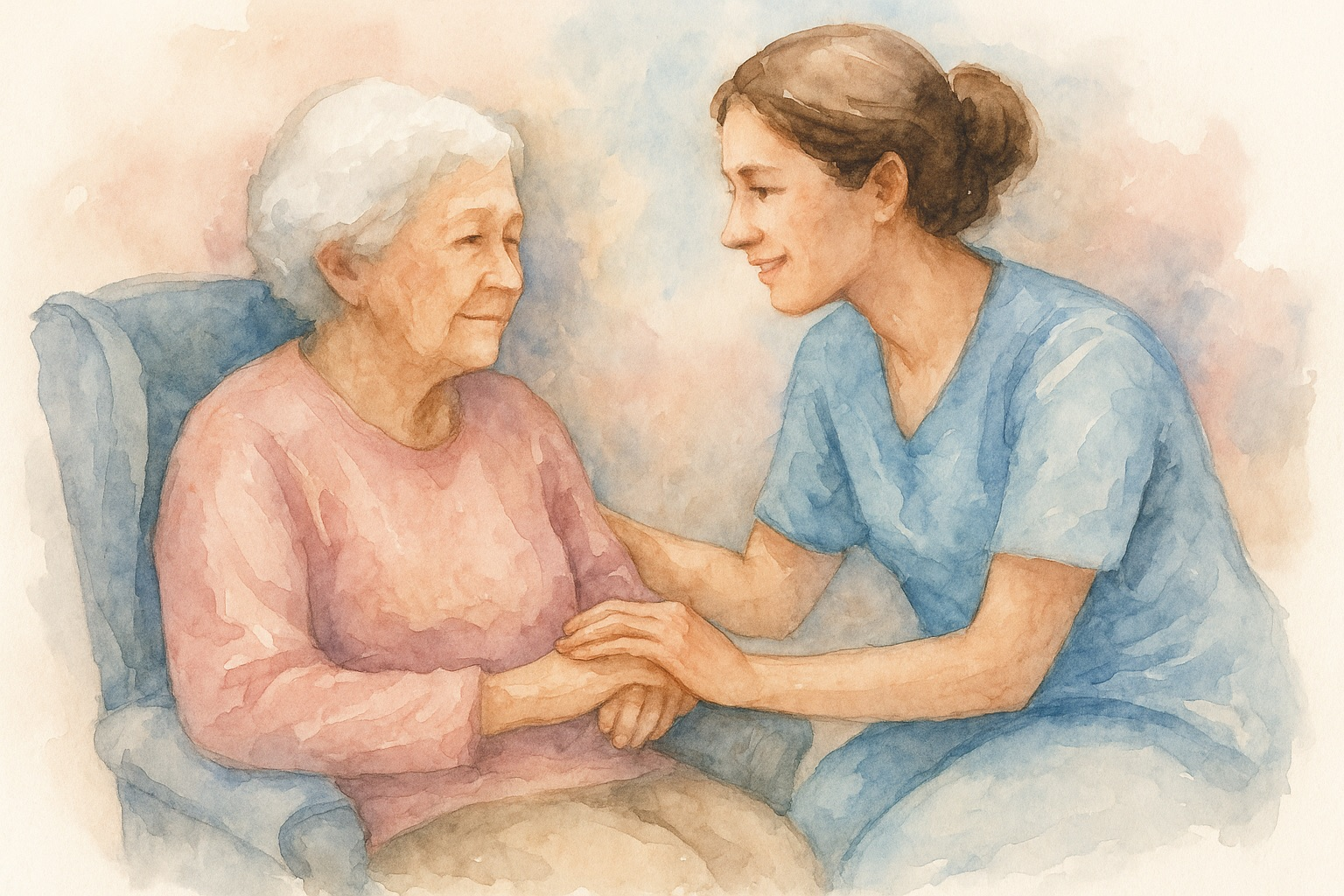
This article is part one in a four-part series that explains hospice in a clear, simple way—what it is, what it isn’t, what visits look like, what families often don’t realize, and what happens after death. My hope is that this gives you clarity and confidence as you navigate this season.
What families truly need to know, from a hospice nurse who’s been there
Hospice has changed a lot over the years. Many people still picture the version their great-grandmother experienced — when hospice usually came only in the last days of life. Nurses often stayed around the clock, doing nearly all the hands-on care: feeding, turning, changing diapers, and giving medications.
That was your great-grandmother’s hospice.
Today, hospice is different. It’s tightly regulated, more structured, and started much earlier, often months before the end of life. This gives families time to learn, prepare, and get the support they need.
Modern hospice offers education and support to the family as they provide the patient’s day-to-day care. Think of hospice as more of a consultant — we guide, teach, and make sure you feel confident and prepared.
We help you understand what’s happening, what to expect, and what tools or medications can keep your loved one comfortable. Hospice provides symptom management, emotional support, equipment, supplies, and regular visits — but the daily hands-on care is done by the family or caregivers the family hires.
This article will walk you through exactly what hospice does and what hospice does not do, so you know what to expect and can feel supported, not overwhelmed.
What Hospice Really Is
Hospice is not a place you “go to.” It’s a philosophy of care that focuses on comfort, dignity, and quality of life when someone is nearing the end of their earthly journey. Hospice comes to you — whether that’s your home, an apartment, assisted living, or a nursing home.
To qualify, a person needs to have a life-limiting illness with a likely prognosis of six months or less if the illness continues on its natural path.
That doesn’t mean the patient will die within six months — many people live much longer, and hospice stays with them for as long as they need the support.
What makes hospice unique is the shift in focus. Instead of asking,
“How do we cure this?”
we begin asking,
“How do we keep this person as comfortable, peaceful, and dignified as possible?”
Hospice steps in to:
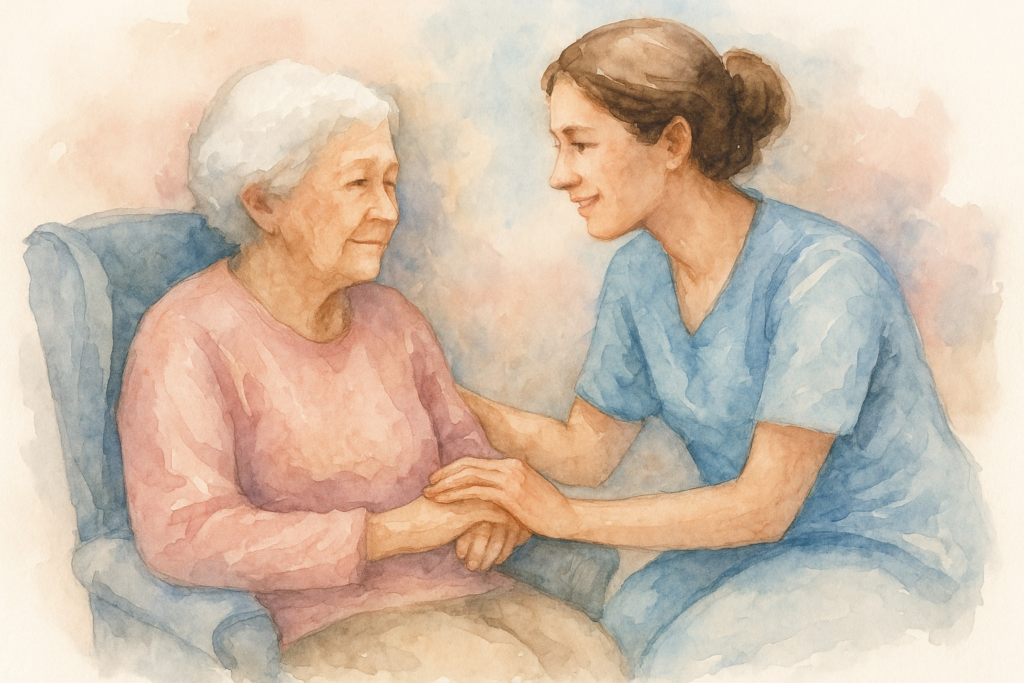
- calm symptoms
- reduce fear
- prevent unnecessary hospital trips
- support the family
- offer emotional and spiritual comfort
- provide equipment and supplies
- make sure no one has to walk this alone
It’s a gentler, more intentional way of caring for someone at the end of life — one designed to bring steadiness when everything else feels uncertain.
The goal is simple:
Less crisis. More comfort. More peace.
Because when families feel supported, the whole atmosphere changes. The home becomes calmer. The patient feels safer. And everyone can focus on what truly matters in the time they have together.
What Hospice Is Not
A very common fear families share with me is: “Hospice is going to come in, give morphine, and then my loved one will die.”
I want to be very clear — that is not what happens.
Morphine is a comfort medication. It helps with pain and helps people breathe easier, but it does not speed up death. And hospice does not come into the home and start making decisions without you.
Hospice will never give a medication without permission.
We always talk with the patient or the legal decision-maker first.
Nothing is forced. Nothing is hidden. You stay in control.
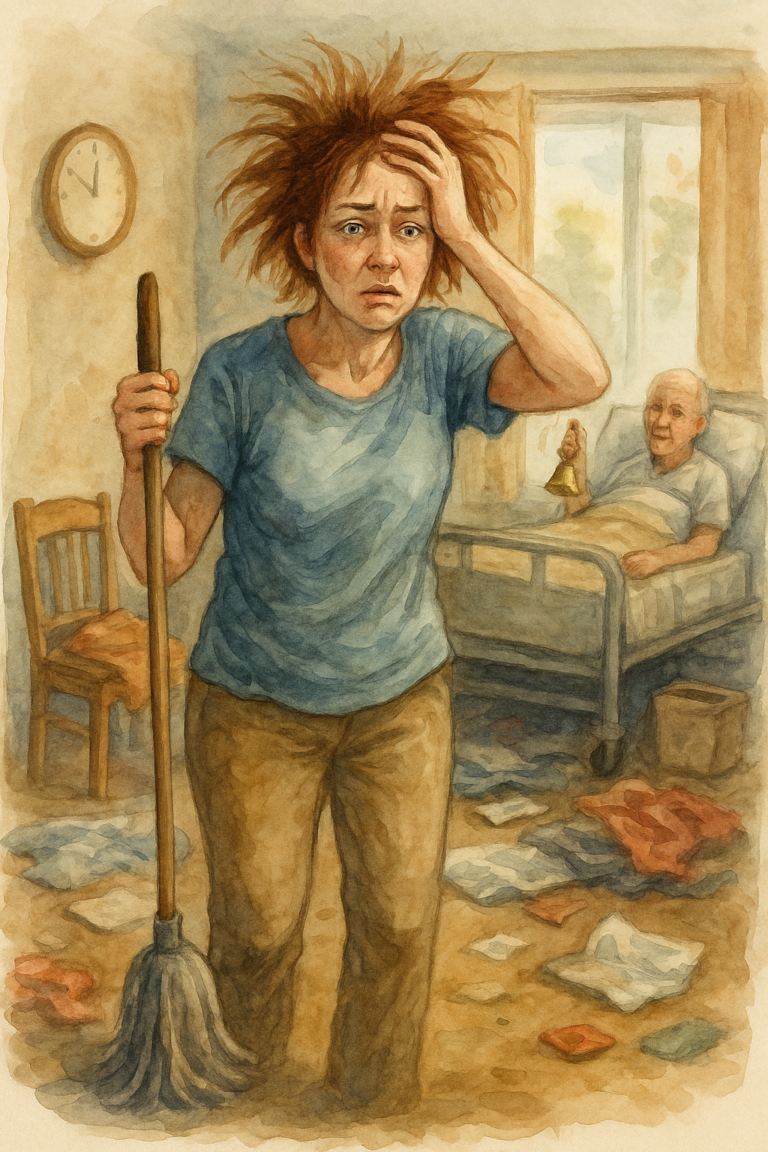
Another big misconception is that hospice provides all the daily hands-on care.
Hospice does NOT provide daily or around-the-clock physical care.
Hospice does not:
- change diapers daily
- stay at the bedside all day
- reposition every two hours
- act as full-time caregivers
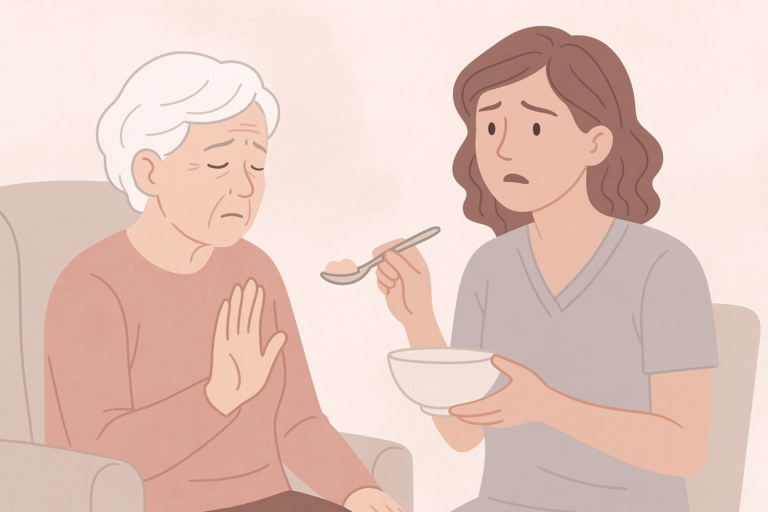
All of the routine, day-to-day physical care is provided by the family or by private caregivers the family chooses to hire. Hospice teaches you what to do, shows you how to do it safely, and supports you every step of the way — but we don’t replace the caregiver.
Our job is to support, guide, and empower, not to take over.
Even though families provide most of the hands-on care, you are never meant to do this alone. Hospice provides you with a team of people — each with a different role — all working together to guide, teach, and support you so you never feel alone in this.
Your Hospice Team
The Nurse (Case Manager)
Coordinates care, manages symptoms, teaches families, and is your main contact.
The Hospice Aide
Provides personal care like bathing, grooming, linens, and gentle skin care.
The Social Worker
Helps with emotional support, resources, advance directives, and caregiver stress.
The Chaplain
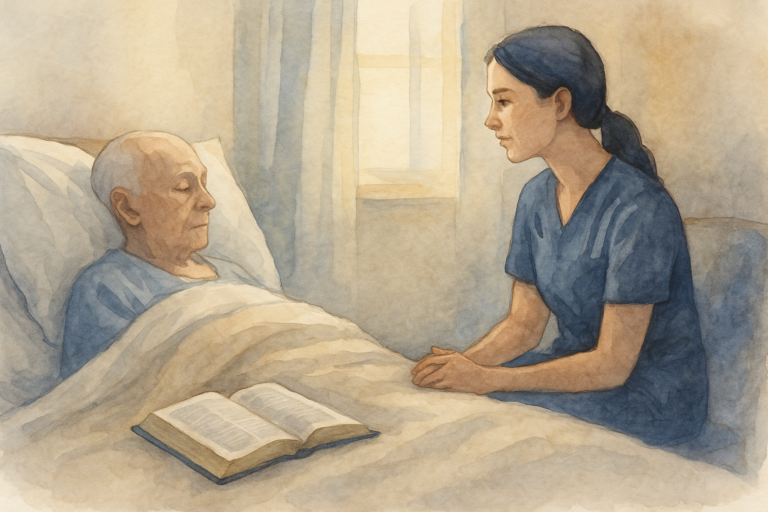
Offers emotional and spiritual support, if desired — always optional and respectful.
The Doctor / Nurse Practitioner
Oversees the medical plan behind the scenes and works closely with your nurse.
The Volunteer
Provides companionship and caregiver breaks, but no physical care.
24/7 On-Call Nurse
Someone is always available — nights, weekends, holidays.
If you want a deeper look at each role and how your hospice team supports your family, I’ve created a separate article that explains every member of the team: Meet Your Hospice Team
Understanding what hospice is (and isn’t) is the first step. Now that you have the foundation, the next question families usually ask is: “What does hospice actually look like week to week?”
Let’s walk through what a typical week on hospice may look like for your family — the visits, the rhythm, and the support you can expect.
Read Part 2: What Hospice Visits Look Like Each Week
I hope this has been helpful. If you ever have questions or need more clarity, I’m always here.

I hope this article brought you some clarity or comfort. Caring for someone at the end of life can feel overwhelming, and you don’t have to figure it all out alone.
If you’re feeling unsure what to do next, my Free Resources page offers simple guides and tools that many families find helpful as they navigate this season. You can also sign up for my once-weekly emails no spam, no pressure. Just gentle support and education.
If you need additional support, or simply need a place to ask a question or vent, you’re welcome to leave a comment or send me an email. You’re not doing this wrong, and you’re not alone.

2 Comments
Comments are closed.