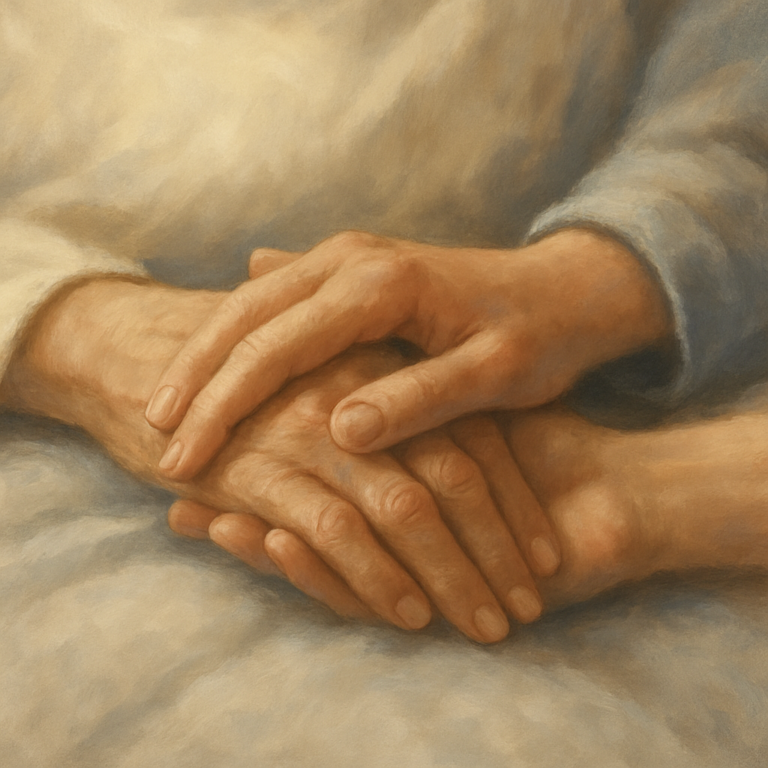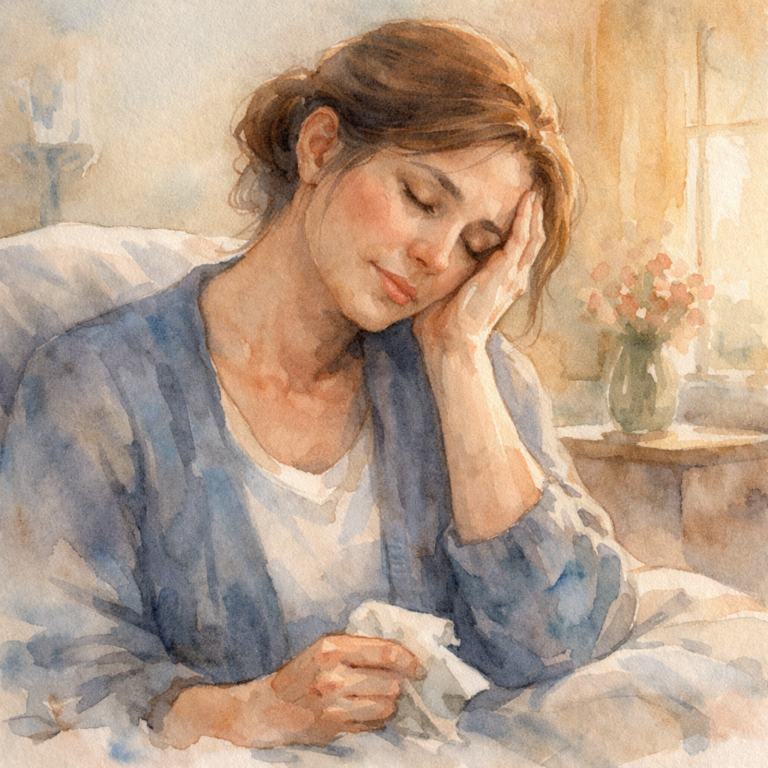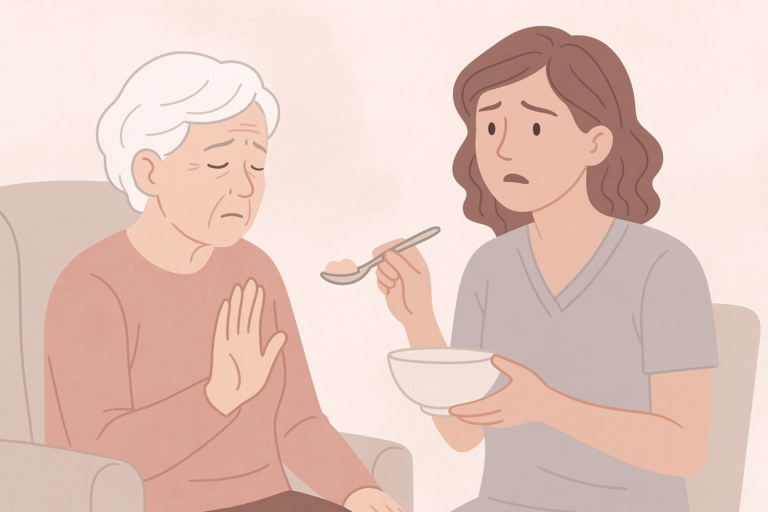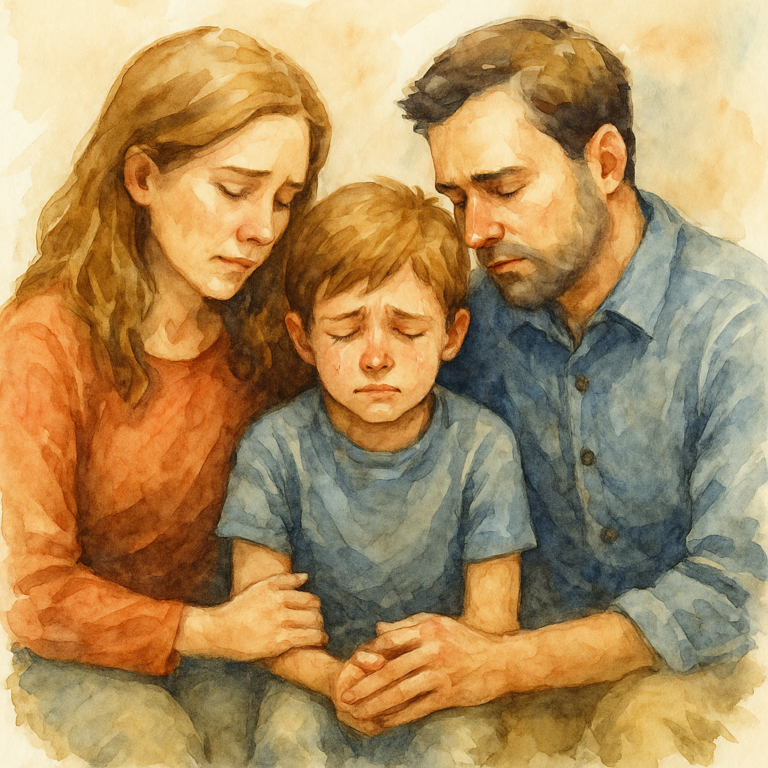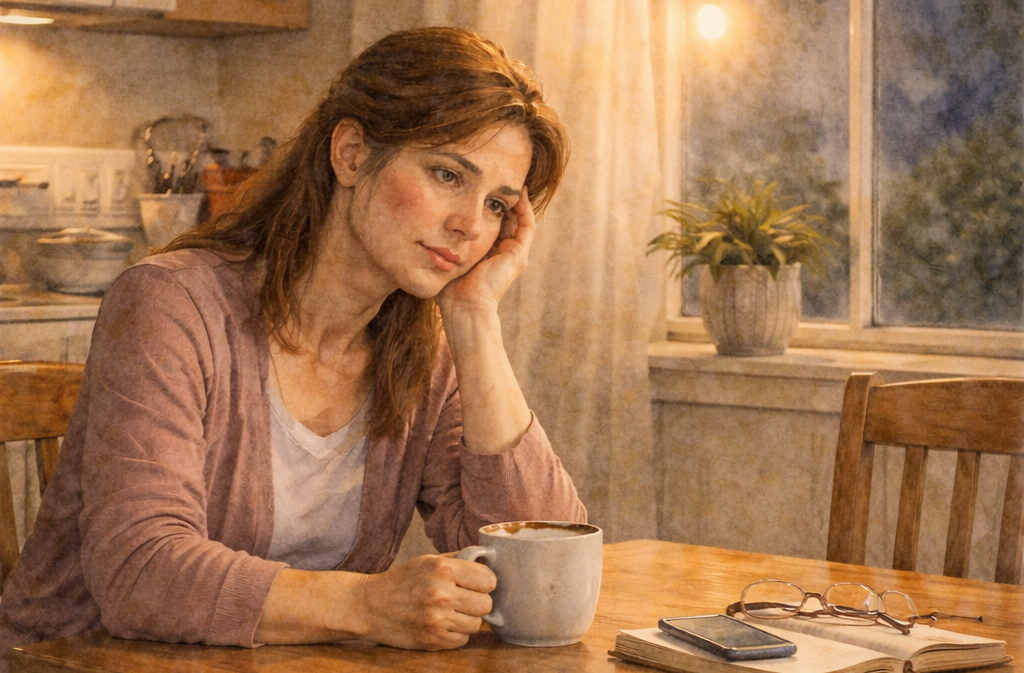
Most caregiving decisions are made between hard and harder, not right and wrong.
This post is not about choosing correctly.
It is about what it does to a person to be forced to choose at all.
Opening: The Question That Won’t Leave
For many caregivers, the hardest part doesn’t come before the decision.
It comes after.
After placement.
After the paperwork is signed.
After the house is quiet again.
That is when the question shows up and won’t leave.
What if I made the wrong choice?
Most caregivers aren’t stuck because they didn’t understand their options. They knew them. They weighed them. They agonized. They chose because they had to.
They are stuck because every option hurt.
The question is no longer “What should I do?”
That question has already been answered.
The real question is heavier.
How do I live with whatever happens next?
What if something goes wrong?
What if the care isn’t good enough?
What if they fall, decline faster, or suffer?
What if I regret this forever?
This fear doesn’t come from ignorance.
It comes from responsibility.
Caregivers know they can’t undo this decision. There is no reset button. And once the choice is made, every possible outcome feels like it belongs to them.
This post is not here to tell you which choice is safest.
It is here to name what it does to a person to carry the weight of caregiving decisions when certainty is not available.
Why This Decision Feels Unbearable
This decision feels unbearable because caregivers are choosing under impossible conditions.
They are exhausted.
They are already grieving.
They are under pressure from time, safety, finances, and other people’s expectations.
And they are being asked to take responsibility for outcomes they cannot control.
There is no neutral option.
Every path carries loss.
Staying longer may increase danger to a loved one or to the caregiver. Placement may bring grief, guilt, and fear of poor care. Relief and sorrow arrive together. Safety comes mixed with pain.
This is not indecision.
It is emotional overload.
Caregivers are often told to “just decide,” as if clarity will appear if they think hard enough. It won’t. The problem isn’t lack of information. It’s that every option costs something meaningful.
When every choice hurts, the nervous system doesn’t move toward clarity.
It freezes.
It replays.
It looks for certainty that doesn’t exist.
That paralysis is not weakness.
It is what happens when a human being is asked to choose between hard and harder.
Hard vs. Harder (Not Right vs. Wrong)
Caregiving decisions rarely offer a clear right choice.
Most caregivers are not choosing between good and bad. They are choosing between different risks. Between safety and autonomy. Between relief and guilt. Between preserving something and losing something else.
Wanting a clear answer is human.
Wanting to know you chose correctly is human.
But not finding a right answer does not mean you failed.
Some situations do not offer one.
It’s okay not to know.
It’s okay to feel confused about what the right thing is.
That uncertainty is not proof you chose poorly. It is part of the weight of caregiving decisions when no option is risk-free.
What Caregivers Are Actually Afraid Of
Most caregivers aren’t afraid of making a mistake.
They’re afraid of what they’ll have to live with afterward.
They’re afraid that if something goes wrong, it will feel like their fault forever. That they’ll replay the decision. That they’ll hear “you should have…” in their own head, even if no one else says it out loud.
They’re afraid of being responsible for suffering.
For decline.
For timing.
For how this ends.
Not because they don’t care enough.
But because they care so much.
Once the decision is made, there’s no way to fully step back from it. Every change feels personal. Every hard day raises the same question again.
That weight doesn’t come from lack of love or effort.
It comes from carrying responsibility for someone you deeply love.
That’s why this fear doesn’t just go away.
Why Regret Feels Inevitable
After the decision is made, regret often shows up no matter what happens.
That surprises people.
Caregivers assume regret means they chose wrong. But most of the time, regret shows up because something precious was lost. Safety came with grief. Relief came with guilt. Letting go came with pain.
Once the choice is made, control is already gone. And when control is gone, the mind looks backward. It replays conversations. It imagines other paths. It asks what if, hoping certainty might still be found somewhere in the past.
Regret feels safer than acceptance.
Acceptance means admitting no choice could protect you from loss.
So regret steps in and says, If I had chosen differently, maybe this wouldn’t hurt.
But regret does not prove error.
Loss guarantees grief.
It does not prove you chose wrong.
Hospice Truth: Outcomes Are Not Fully Predictable
Even careful, loving caregiving decisions do not come with guarantees.
As a hospice nurse, I have watched families make thoughtful choices and still face outcomes they never wanted. Disease progresses. Decline accelerates. Complications happen.
Caregivers often judge past decisions using information they did not have at the time.
That isn’t wisdom.
That’s hindsight.
At the moment you chose, you were working with limited sleep, limited time, and limited capacity. You made the best decision you could with the information you had then, not the information that appeared later.
There is no option without risk.
Waiting longer often increases danger. Placement carries different risks. No choice removes uncertainty.
Holding yourself to a standard of omniscience is a burden no caregiver was meant to carry.
Christian Anchor
God does not require you to know the future in order to act faithfully.
He does not ask caregivers to foresee every outcome before choosing. Wisdom in Scripture is not certainty. It is faithfulness with what you know now.
You were not meant to choose with perfect clarity.
You were meant to choose with prayer, love, and human limits.
Peace does not always come from knowing you chose the right thing.
Sometimes it comes from trusting that God was present with you in the choosing.
Closing: Naming the Real Burden
The unbearable part is not the fear of choosing wrong.
It is being the one who has to choose at all.
Most caregivers would gladly accept exhaustion, sacrifice, and grief if it meant not carrying responsibility for outcomes they cannot control.
Struggling under that weight does not mean you are weak.
It means the situation itself is heavy.
You were asked to decide while tired, grieving, and afraid. You were asked to choose without certainty, without guarantees, and without a way to protect everyone you love from pain.
If you are still carrying fear, regret, or second-guessing, that does not mean you failed. It means you cared deeply in a situation that offered no painless path forward.
The weight you’re carrying is real. And struggling under it does not mean you did something wrong.
If caregiving feels like too much right now, you’re not weak. You’re overloaded.
This guide walks you through 10 clear steps to reduce overwhelm and think more calmly about what comes next.
If you need additional support, I share more information and resources at JuliaPierceRN.com