(Written by a Hospice Nurse)
“You Don’t Have to Wait for Someone to Bring It Up”
Most families wait far too long before learning about hospice. Sometimes doctors dance around the conversation. Sometimes families feel unsure, guilty, or afraid of what hospice means. And sometimes people simply don’t know the signs.
If something in your heart has wondered,
“Are we getting close?” —
this article is for you.
You don’t need a formal recommendation.
You don’t need a doctor to say the word first.
You’re allowed to explore options early — and honestly, earlier is almost always better.
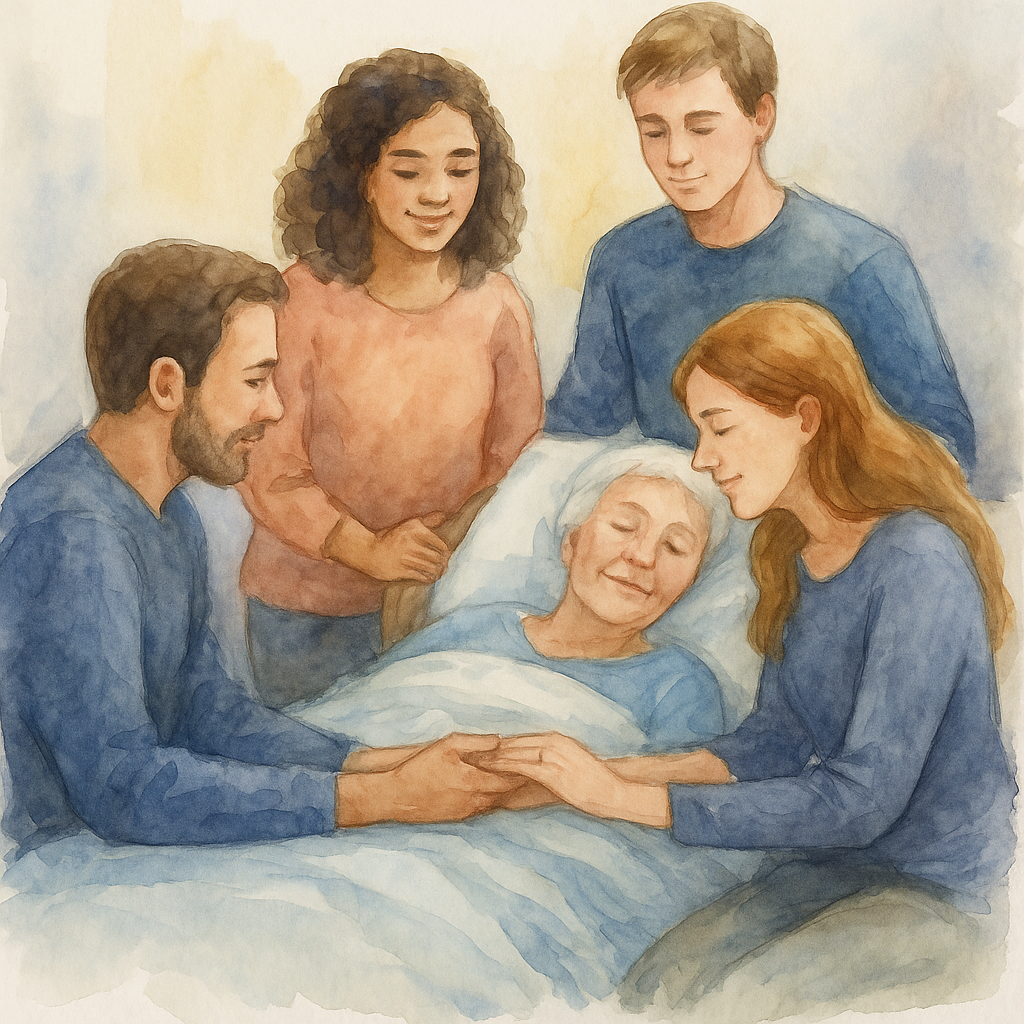
Here are 12 signs it may be time to consider hospice care.
1. Frequent Hospitalizations or ER Visits
If your loved one is going in and out of the hospital every few weeks, their body may be struggling to recover between crises. Hospice can help them stay comfortable at home, avoiding the exhausting cycle of hospital care.
2. Your Loved One Is Losing Weight Without Trying
Unintentional weight loss often means the body is slowing down. Appetite changes are a natural part of disease progression — and hospice can help with comfort strategies rather than forcing food.
3. Daily Tasks Are Becoming Too Hard
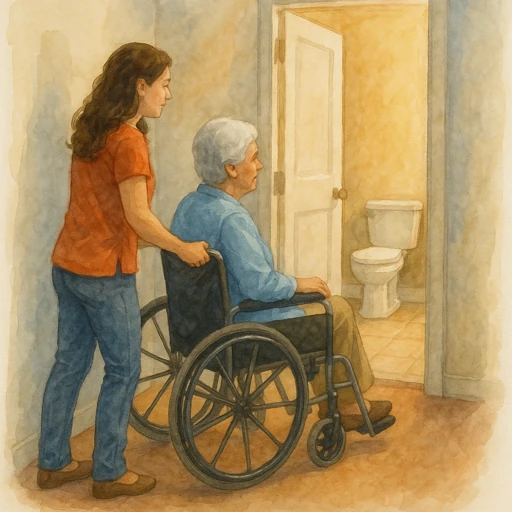
Bathing, dressing, toileting, or walking used to take minutes… now they take an hour or require help. This decline in function is one of the strongest indicators for hospice, especially when paired with a serious illness.
4. Increasing Weakness and Fatigue
When someone sleeps most of the day, cannot stand for long, or is too weak to get out of bed consistently, the body is conserving energy. Hospice focuses on comfort, support, and safety during this stage.
5. Symptoms Are Becoming Harder to Control
Pain, shortness of breath, anxiety, nausea, restlessness, or secretions that are no longer well managed even with treatment may indicate the need for specialized comfort care.
6. More Frequent Falls or Safety Concerns
Falls are a major sign of disease progression. If you’re worried about leaving your loved one alone for even a few minutes, hospice can help with safety equipment, education, and 24/7 support.
7. Confusion Is Increasing
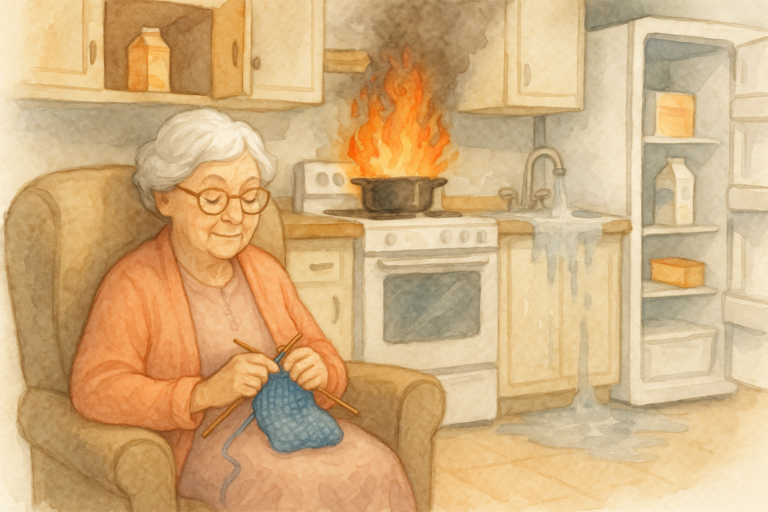
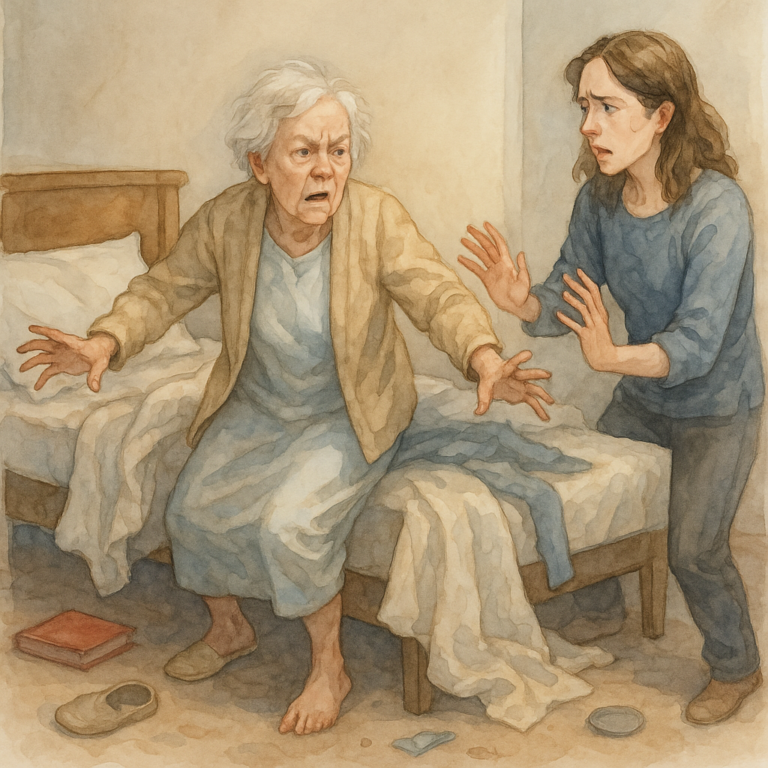
Worsening confusion, agitation, nighttime restlessness, or sudden personality changes can indicate the brain is tired or the disease is advancing. Hospice teams are trained to help families navigate these moments gently.
8. They’re Spending More Time in Bed
A shift from being up and active → mostly sitting → mainly resting in bed is a natural progression many families miss until they look back. Hospice meets the patient exactly in this stage with comfort-focused support.
9. Treatments Are Feeling Too Hard, Too Much, or No Longer Worth It
Sometimes a person says quietly,
“I’m tired.”
Or they start skipping appointments.
Or treatments that once felt right now feel overwhelming.
Hospice honors their wishes and focuses on peace rather than pushing for more interventions.
10. Your Gut Is Telling You Something Has Changed
Families see it before anyone else does.
You notice the subtle shifts — the slower walk, the softer voice, the weariness.
Your intuition is not wrong.
Hospice exists to support that moment.
11. The Doctor Says, “There’s Nothing More We Can Do”
This doesn’t mean nothing can be done.
It simply means the goal shifts from curing disease to providing comfort, dignity, and support for both patient and family.
12. You Feel Overwhelmed as a Caregiver
Hospice isn’t just for the patient — it’s for you.
If you’re exhausted, scared to leave the house, unsure how to manage symptoms, or feeling alone, it may be time to bring in a team that can walk this with you.
A Gentle Truth: Hospice Doesn’t Mean “Giving Up”
Hospice is about quality of life — not giving up hope.
It means:
- More support
- More comfort
- More peace
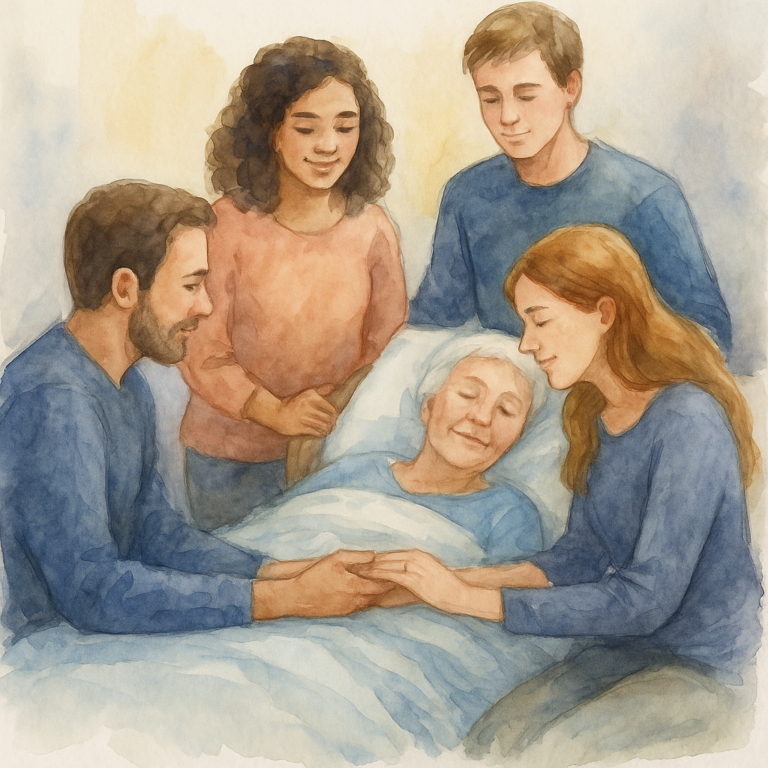
- More time spent at home with the people they love
- Less fear and less uncertainty
And you don’t need anyone’s permission to ask about it.
How to Start the Conversation
If you recognize several of these signs, you can say to the doctor:
“I’d like to learn more about hospice. What would it look like for us?”
You can also call a local hospice and ask for a consultation. You’re not signing anything. You’re simply gathering information.
And if your loved one is ready — even quietly, even privately — hospice can be one of the greatest gifts you ever give them.
Closing Words — You Are Not Failing Them
You’re noticing these signs because you love them.
Because you’re paying attention.
Because you’re doing everything you can.
Hospice steps in so you don’t have to carry it alone.
You’re doing a beautiful job.
And you’re not alone in this.

I hope this article brought you some clarity or comfort. Caring for someone at the end of life can feel overwhelming, and you don’t have to figure it all out alone.
If you’re feeling unsure what to do next, my Free Resources page offers simple guides and tools that many families find helpful as they navigate this season. You can also sign up for my once-weekly emails no spam, no pressure. Just gentle support and education.
If you need additional support, or simply need a place to ask a question or vent, you’re welcome to leave a comment or send me an email. You’re not doing this wrong, and you’re not alone.