
A Simple Guide for Families
One of the most common questions I hear as a hospice nurse is:
“How do we know if our loved one qualifies for hospice?”
Families often feel scared to ask because it feels like they’re giving up hope.
But this question doesn’t come from surrender, it comes from love.
My hope is to explain hospice eligibility in the simplest way possible.
The Basic Rule (Explained in Plain English)
According to Medicare, a person qualifies for hospice when:
A doctor believes they have six months or less to live if their disease follows the typical path.
But here’s what most people don’t realize:
This is not a countdown.
It does not mean the doctor knows the exact timeline.
It does not mean you’ll only get six months.
Many patients live longer than six months and remain on hospice, sometimes for years.
No one knows when someone is going to die, at best we can give you a guess And we are frequently wrong.
Hospice simply means the focus shifts to comfort, peace, safety, and dignity.
Common Diagnoses That Qualify for Hospice
Hospice is not just for cancer. People qualify with:
- Heart failure
- COPD
- Kidney disease
- Liver disease
- Dementia or Alzheimer’s (Late stage)
- Stroke
- Parkinson’s and other neurological conditions
- Frailty and severe decline with age
The diagnosis matters — but the decline matters even more.
Functional Signs Medicare Looks For
Eligibility is based on how the illness is affecting daily life, such as:
- unintentional weight loss
- eating less
- needing help with bathing or dressing
- sleeping more often
- talking less
- confusion or mental decline
- difficulty swallowing
- multiple infections
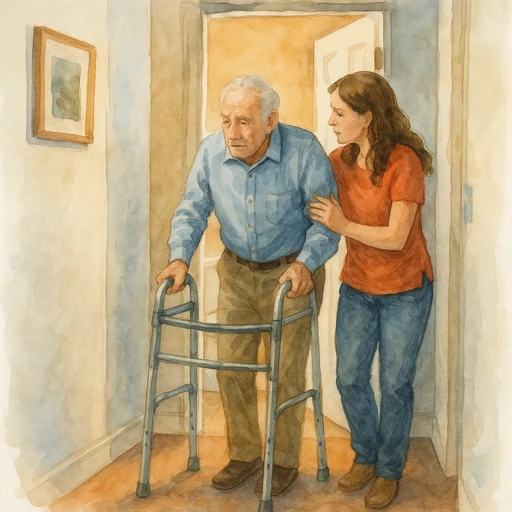
- more falls
- weakness
- fewer good days
You do NOT need all of these signs.
A few can be enough.
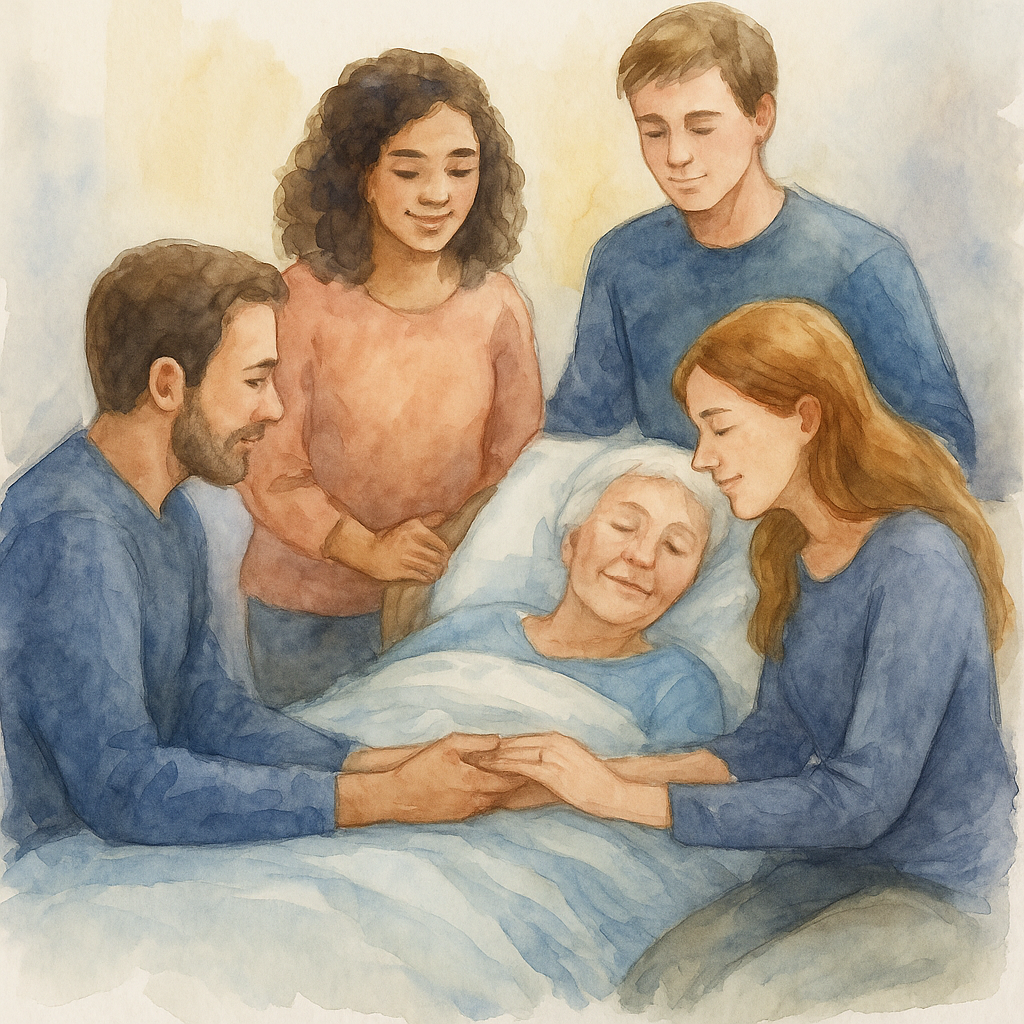
You Can Request a Hospice Evaluation Anytime
Most families don’t know this:
✔ You can call a hospice directly
✔ You do NOT need a doctor’s referral first
✔ The evaluation is free
✔ You are NOT committing to enrolling
✔ You can get a second opinion
You are allowed to explore your options.
What Families Often Regret
After a loved one passes, I hear the same words over and over:
- “We wish we had called sooner.”
- “We didn’t realize hospice could help this much.”
- “We waited for a crisis.”
- “We didn’t know we qualified.”
Hospice isn’t about dying.
It’s about living the last chapter with comfort and peace.
A Final Word of Encouragement
I know this feels scary. I know you’re overwhelmed and unsure what the “right” thing is. Many caregivers even feel guilty for considering hospice, as if it means they want their loved one to die — but that isn’t it at all. You’re carrying an almost impossible load, trying to care for someone who is declining while still managing your home, your family, and your own heart. You need help, and you absolutely deserve it.
If your loved one qualifies for hospice, you will get support. It won’t fix everything, but it can give you room to breathe — space to stop doing this all alone.
And remember this: it hurts nothing to ask. You can call local hospices directly and talk with them. They’ll tell you honestly whether your loved one might be eligible. Talk to more than one program. Interview them. Choose the one that feels right for your family.
And if it helps, feel free to download my free Hospice Interview Guide. It walks you through exactly what to ask so you can feel confident choosing a program that fits your family’s needs.

I hope this article brought you some clarity or comfort. Caring for someone at the end of life can feel overwhelming, and you don’t have to figure it all out alone.
If you’re feeling unsure what to do next, my Free Resources page offers simple guides and tools that many families find helpful as they navigate this season. You can also sign up for my once-weekly emails no spam, no pressure. Just gentle support and education.
If you need additional support, or simply need a place to ask a question or vent, you’re welcome to leave a comment or send me an email. You’re not doing this wrong, and you’re not alone.