What does the first year of grief feel like after losing a loved one?
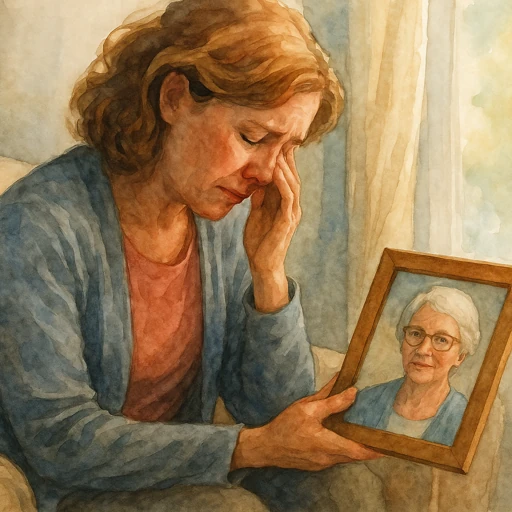
The first year of grief after losing a loved one is often the hardest. It brings unpredictable waves of emotion, deep exhaustion, forgetfulness, and a painful sense of disorientation as daily life continues without the person you love. Most people experience a mix of sadness, anxiety, and physical symptoms as they slowly adjust to life after loss.
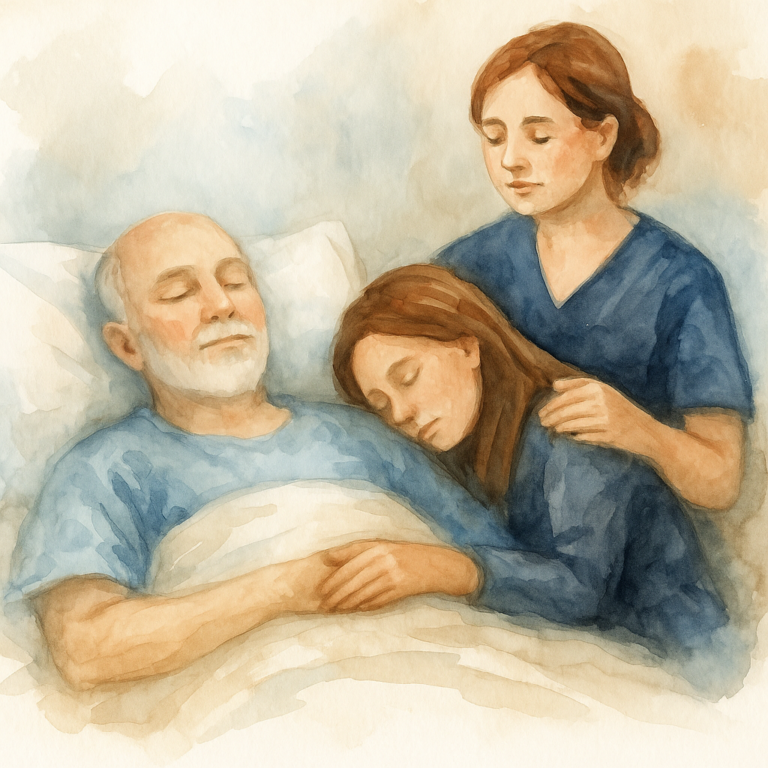
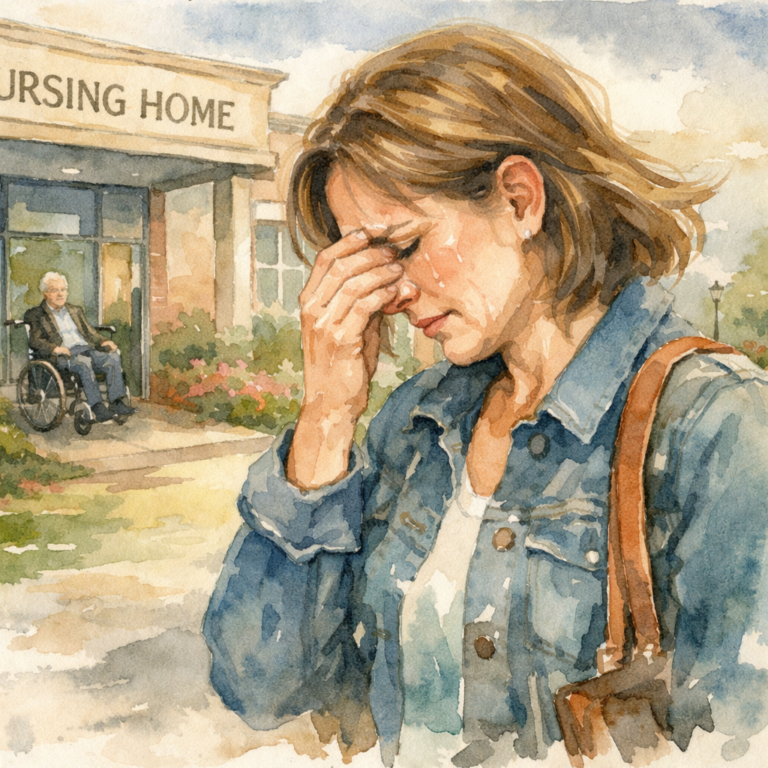
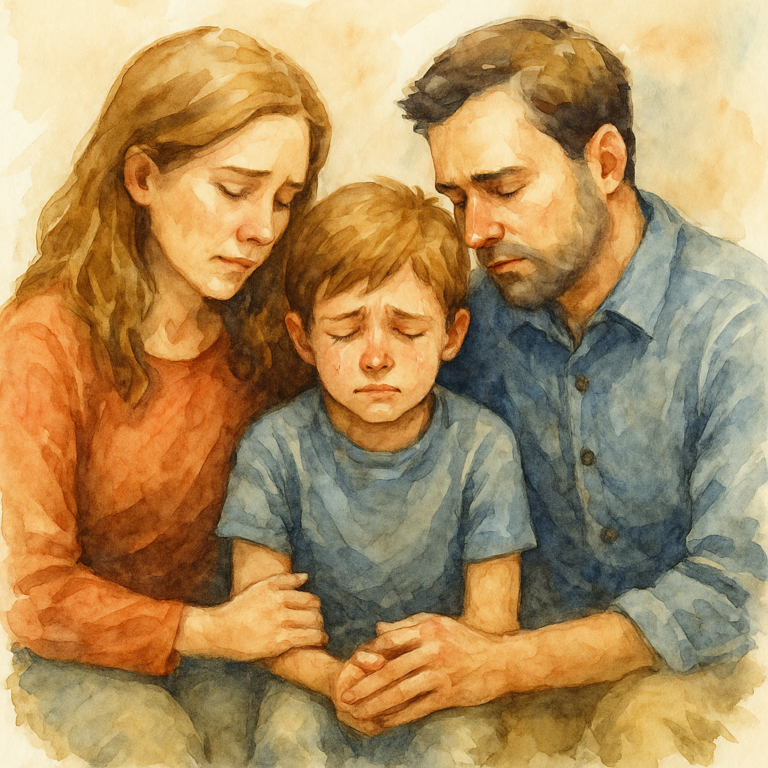
Many families tell me that the first year of grief after losing a loved one feels like living in two worlds at once — the world that continues moving forward, and the world that ended the moment their loved one died.
Grief doesn’t follow rules. It isn’t linear or predictable. It seems that other people seem to move forward with their lives, while you feel suspended between the world you knew and the world you never wanted. In many ways, it feels like you’re standing still while life keeps rushing ahead.
The world moves on quickly — but you don’t.
It feels almost wrong that life continues as if nothing happened. Meanwhile, laundry still piles up, bills still need to be paid. On top of that, Your job gives you three days of bereavement and then expects you to return as though your entire life hasn’t just shattered.
During the first week after the death, you’re surrounded by people — meals dropped off, hugs, visitors, conversations, noise.
But then, after the funeral?
Silence.
People don’t know what to say, so they say nothing.
In the same way, people don’t know what to do, so they keep their distance.
Not because they don’t care — but because grief makes others uncomfortable, and silence feels safer to them than saying the wrong thing.
This article isn’t about “fixing” grief or offering clichés.
It’s about helping you feel less alone during a year that quietly breaks people open and reshapes their entire lives.

The Shock Phase Even When You Thought You Were Prepared
Hospice families often believe they’re “ready.”
You’ve watched the decline,had the conversations, prayed for peace. You’ve even yourself you understand what’s coming.
But when death finally arrives, shock still hits — hard.
Even when it’s expected.
Even when it’s peaceful.
When you longed for their suffering to end.
Because at the end of the day, there is still a hole in your heart that you didn’t know how to brace for.
Suddenly, the house is too quiet. The silence is loud.
You notice the empty bed, the empty chair, the place at the table where they always sat.
Your body continues its old routines even after your mind knows they’re gone:
You wake in the morning in a panic thinking, *“I overslept — I need to get Mom up!”*And then you remember: Mom is gone.
You see something your dad would love and your hand reaches for the phone.Then it hits you — you can’t call him anymore.
If you were a primary caregiver, the shock comes with an added layer.
Your entire world — your hours, your meals, your sleep schedule, your purpose — was tied to caring for them. Everything ends in an instant.
Hospice services stop the same day. Caregiver support evaporates. Those relationships disappear just like your loved one.
Suddenly, you’re sitting in a quiet house that feels unfamiliar and overwhelming.
You feel completely and utterly alone.
The Firsts: Holidays, Birthdays, Anniversaries
The first year is full of emotional landmines, and none are as difficult as the “firsts.”
The first holiday without them.
Your first birthday.
The first anniversary.
Their empty chair at family gatherings.
Traditions feel hollow. Holidays feel wrong.
The joy you’re “supposed to feel” clashes with the ache of their absence.
Birthdays — yours or theirs — become complicated. Sweet, but painful.
You are not broken for feeling this way.
This does not mean you are “dwelling” on your loss.
You are not doing grief wrong.
It is completely normal to dread these days.
It is also normal to feel relief when they’re over.
The Identity Shift. Who Am I Now?
Loss doesn’t just take the person you loved.
It takes the version of you that existed when they were alive.
Spouses often describe feeling like half of themselves is missing.
Adult children feel unanchored — even those who have lost the “parent-child relationship” years earlier to dementia.
And caregivers?
The identity shift can be devastating.
When caregiving has been your world — your routine, your purpose, your reason to get out of bed — losing that role overnight leaves a void that is hard to explain.
You might feel:
- purposeless
- directionless
- guilty for wanting rest
- guilty for feeling relief
- guilty for rebuilding your life
And here is a truth many people don’t acknowledge:
Even if dementia stole your parent years ago, the final loss still hits differently.
Because death is final in a way decline never is.

The Physical Side of Grief
Many people tell me that the first year of grief after losing a loved one feels physically exhausting as well as emotionally overwhelming.
Grief is not just emotional.
It is profoundly physical.
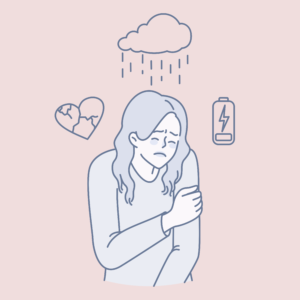
You may experience:
Exhaustion
Grief drains you to the bone. No amount of sleep fixes it.
Forgetfulness (“grief brain”)
You misplace things. Forget conversations. Lose track of time.
Your brain is overwhelmed — not failing.
Changes in appetite
Some people can’t eat. Others eat constantly. Both are normal.
Anxiety and chest tightness
Grief often feels like panic, not sadness.
Sleep disturbances
Too much sleep or none at all — both are common.
Your body is grieving too.
These responses aren’t weakness.
They are your body processing trauma and loss.
What People Get Wrong About Grief
You’ll hear all the common phrases:
- “You’re so strong.” (You’re surviving.)
- “God needed another angel.” (Unhelpful and theologically off.)
- “They’re in a better place.” (True, but the ache remains.)
- “Aren’t you over this yet?” (Hurtful and ignorant.)
People say these things because grief makes them uncomfortable.
But grief is not a problem to solve.
It’s love trying to find a new place to live.
What actually helps:
- Presence
- Meals
- Prayer
- Listening
- Saying their loved one’s name
- Sharing stories
It’s the simple things — not the rehearsed ones — that carry people through.
Faith and Grief – Holding On When Everything Hurts
Even believers feel abandoned by God during grief.
This does not make you weak. It makes you human.
It’s okay to question.
It is okay to cry out.
It is okay to feel angry or confused.
God grieves with us.
Jesus wept at Lazarus’ tomb — knowing resurrection was minutes away.
Grief is not a lack of faith; it is a reflection of love.
Heaven is real, but so is the ache here.
Scriptures that comfort without minimizing pain:
- Psalm 34:18
- Matthew 5:4
- Psalm 23:4
- Psalm 147:3
Faith doesn’t erase grief.
It walks with you through it.

How to Get Through the Hardest Days
You don’t need to handle this year perfectly.
You just need to get through it.

Here are things that genuinely help:
- Lower expectations. This is not a season for perfection.
- Eat something small. Fuel your body even when you don’t feel like it.
- Step outside daily. Even one minute helps reset your system.
- Keep a simple routine. Anchor your days.
- Let people help. You were never meant to do this alone.
- Cry without apology. Tears are a pressure relief.
- Write down memories. Grief can fog your mind — capture the things that matter.
- Talk to your hospice bereavement counselor. They understand this road in a way most people can’t.
Mixed Emotions: Relief, Guilt, Anger, Peace
Grief is never one feeling. It is all of them.
Many caregivers feel relieved that the suffering is over.
Then guilt for feeling relieved.
Then anger — at the disease, at family, at circumstances, sometimes even at God.
And then, little by little, moments of peace.
None of this means you’re grieving wrong.
It means you’re grieving as a human being who loved deeply and lost profoundly.
When to Seek Extra Support
You do not have to be in crisis to ask for help.
Reach out if you notice:
- not eating or sleeping for days
- inability to function at all
- self-harm thoughts
- panic attacks
- drinking or numbing to cope
- complete isolation
People you can call:
- hospice bereavement
- your pastor or church counselor
- a licensed therapist
- local or online grief groups
Reaching out is not a weakness.
It is wisdom.
What I Want You To Know
If you are in the first year of grief after losing a loved one, please know that these emotions do not mean you’re failing — they mean you’re human. You will not always feel this raw.
The first year is the hardest — not because you’re doing anything wrong, but because everything hurts and everything is new.
Grief doesn’t disappear, but it softens.
Peace returns slowly, then more consistently.
And you are not walking this alone.
God is with you in every quiet morning and every tear-filled night.
Your loved one is safe, whole, and healed — and you will see them again.
You’re doing better than you think. And your loved one would be proud of you.

I hope this article brought you some clarity or comfort. Caring for someone at the end of life can feel overwhelming, and you don’t have to figure it all out alone.
If you’re feeling unsure what to do next, my Free Resources page offers simple guides and tools that many families find helpful as they navigate this season. You can also sign up for my once-weekly emails no spam, no pressure. Just gentle support and education.
If you need additional support, or simply need a place to ask a question or vent, you’re welcome to leave a comment or send me an email. You’re not doing this wrong, and you’re not alone.
FAQ — Common Questions About Grief
For most people, yes. Every holiday, birthday, and routine happens without your loved one for the first time, making this year emotionally intense and unfamiliar.
Grief is physical. It affects sleep, appetite, energy, and concentration. Feeling drained during the first year of grief after losing a loved one is completely normal.
Yes. Relief that suffering has ended is common — especially for caregivers. Relief does not mean you wanted them gone; it means you are human.
If you’re unable to function, not eating or sleeping for days, having panic attacks, or feeling hopeless, it’s time to reach out to hospice bereavement, a therapist, or a faith counselor.