Normalize the Discomfort Without Shame
No one talks about this part of caregiving — until you’re living it.
Helping someone you love with toileting can feel deeply uncomfortable. Awkward. Emotional. Overwhelming. Many caregivers feel embarrassed even admitting they’re struggling with it, let alone asking for help.
This is one of those caregiving tasks that catches people off guard. You expect the physical work to be hard. You don’t expect the emotional weight that comes with it.
Let me say this clearly before we go any further:
Struggling with this does not mean you’re doing something wrong.
It does not mean you’re failing your loved one.
And it does not mean dignity is gone.
Toileting challenges are a physical change — not a personal failure. And with the right approach, dignity can still be preserved, even as independence fades.
Why Toileting Changes Happen
Toileting difficulties don’t happen because someone has stopped trying or stopped caring.
They happen because bodies change.
Muscle strength weakens, especially in the legs and core. Standing up, sitting down, and balancing in a small space becomes harder. Reaction time slows, so the signal to “go” doesn’t leave as much margin for error. Fatigue sets in more quickly, making even short trips to the bathroom feel exhausting.
Cognitive changes add another layer. Dementia, delirium, or simple mental fatigue can make it harder to recognize the urge to go, judge timing, or sequence the steps involved. What used to be automatic now requires focus — and focus may be limited.
Fear also plays a bigger role than many caregivers realize. Bathrooms are slippery. Tight spaces leave little room to steady oneself. After even one close call or fall, anxiety can make people hesitate, rush, or avoid the bathroom altogether — which only increases the risk of accidents.
None of this is a moral failing. None of it reflects effort or willpower.
Needing help in the bathroom doesn’t mean dignity is lost it means the body has changed.
And once caregivers understand why these changes happen, it becomes easier to respond with patience instead of frustration.
What Caregivers Commonly Start to See
Toileting changes rarely show up all at once.
At first, it’s subtle. A loved one taking longer to get to the bathroom. More urgency. Occasional accidents that are brushed off or explained away. A sudden reluctance to leave the house “just in case.”
Many people will deny or hide incontinence for as long as they possibly can.
Not because they’re being dishonest — but because it’s deeply personal and deeply embarrassing.
Caregivers may start to notice urine-soaked clothing in the trash, or hidden in laundry baskets, drawers, or bags tucked out of sight. Clothes may disappear altogether. Bedding gets changed quietly. Explanations don’t quite add up.
Some people go to great lengths to conceal accidents, even when it means extra work or discomfort for themselves. Preserving dignity often feels more important than asking for help.
You may also notice your loved one refusing assistance in the bathroom, insisting on privacy even when it’s no longer safe. Others become defensive or angry when the topic comes up at all.
These changes can be confusing and emotionally charged for caregivers — especially when no one warned you this might happen.
Please know this:
These behaviors are common.
They are protective, not manipulative.
And they usually signal that your loved one is struggling more than they’re willing to admit.
Understanding this helps shift the response from frustration to compassion — and sets the stage for the next challenge caregivers face: the emotional weight of stepping in.
The Emotional Weight for Caregivers
This part doesn’t get talked about nearly enough.
Helping someone with toileting isn’t just physically awkward — it’s emotionally heavy. For many caregivers, it’s the moment when the role shift becomes impossible to ignore.
Genitals are intensely personal. Most people would rather eat dirt than see their parents naked — let alone help them in the bathroom. That discomfort doesn’t make you immature or unloving. It makes you human.
Caregivers often feel a mix of emotions all at once: awkwardness, sadness, grief, guilt, and sometimes even a sense of panic. There’s the shock of role reversal, the fear of doing something wrong, and the constant worry about embarrassing the person you’re trying so hard to protect.
Spouses struggle too — especially when intimacy changes and care replaces partnership in ways no one prepared them for.
And layered over all of it is guilt.
Guilt for feeling uncomfortable, wishing someone else could do it. Or you could simply be grieving the loss of how things used to be.
None of that means you lack compassion.
It means you’re navigating one of the most intimate forms of caregiving there is — without a script, without training, and often without support.
Acknowledging how hard this feels is not selfish.
It’s the first step toward providing care with steadiness instead of shame.
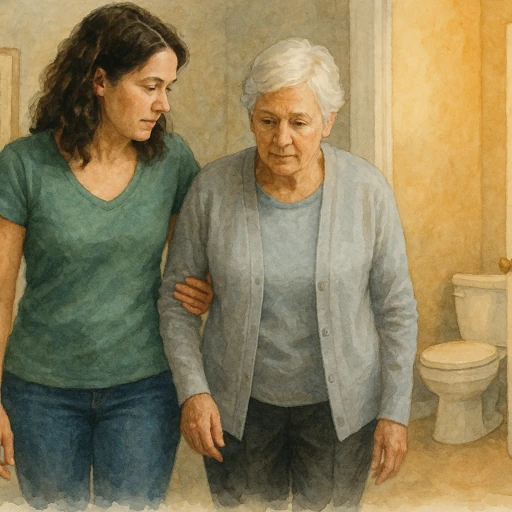
What Preserving Dignity Actually Means
Many caregivers hear the word dignity and assume it means independence.
That if someone needs help in the bathroom, dignity must be gone.
That isn’t true.
Dignity isn’t about doing everything alone. It’s about how care is given.
Preserving dignity often looks like protecting privacy whenever possible. Closing doors. Using towels or blankets to cover what doesn’t need to be seen. Explaining what you’re about to do instead of just doing it.
It looks like using respectful language — not baby talk, not jokes at their expense, and not scolding when accidents happen. A calm, matter-of-fact tone goes a long way in moments that already feel vulnerable.
It also means slowing down. Rushing increases fear, resistance, and accidents. A steady pace helps your loved one feel safer and more in control, even when they need help.
And whenever possible, let them do what they still can — even if it takes longer. Pulling up underwear. Washing hands. Choosing clothing. Small acts of participation help preserve a sense of self.
Dignity isn’t about independence — it’s about respect.
When caregivers shift their focus from “how do I fix this” to “how do I protect dignity,” the entire dynamic often softens — for both of you.
Practical Caregiver Strategies That Help
Small changes make a big difference here — not just for safety, but for dignity.
One of the simplest shifts is language. Words matter more than we realize. Saying underwear instead of diaper can lower defenses immediately. For many adults, “diaper” feels infantilizing, even when incontinence is real.
It also helps to know that there are now many products designed to look and feel like regular underpants, specifically for light to moderate incontinence. They pull on like normal underwear, fit under clothing without bulk, and don’t announce themselves. For many people, this single change restores confidence and reduces embarrassment enough to make daily life more manageable.
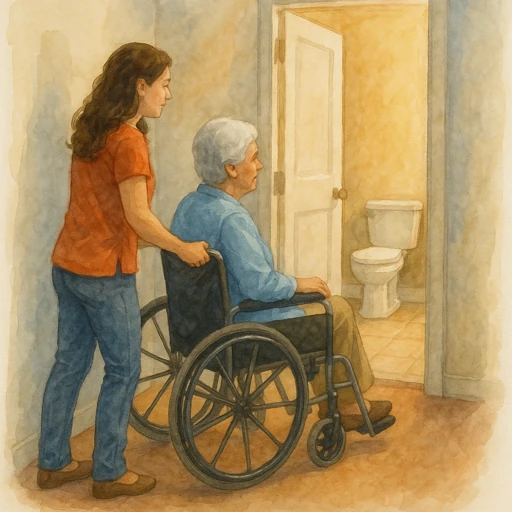
Environment matters too. Clear pathways to the bathroom, good lighting at night, and removing clutter reduce urgency and panic. Bath mats and throw rugs should be removed as well — they’re a major fall risk, especially when someone is rushing to the bathroom. Grab bars or a raised toilet seat can make standing and sitting safer without making the bathroom feel “medical.”
Routine is another quiet helper. Encouraging regular bathroom trips — especially before meals, before leaving the house, and before bed — often prevents accidents better than waiting until urgency hits. Waiting too long sets people up to fail.
Communication plays a big role as well. Calm prompts work better than commands. A steady, matter-of-fact tone helps keep emotions from escalating in moments that already feel vulnerable.
None of this requires perfection. It requires patience, flexibility, and a willingness to adjust expectations as bodies change.
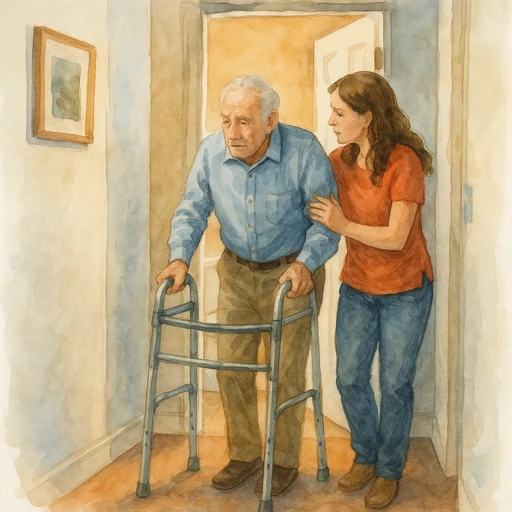
When Accidents Happen (Without Shame)
Accidents are going to happen. Even with planning, routines, and the best intentions, bodies don’t always cooperate.
How you respond in those moments matters more than getting everything “right.”
Stay calm. Take a breath. Keep your voice steady. Reacting with urgency, frustration, or embarrassment — even unintentionally — can increase shame and make future accidents more likely.
Avoid apologizing for your loved one or drawing attention to what happened. Most people already feel humiliated in these moments. Extra commentary, reassurance, or explanations can make it worse.
Clean up quietly and efficiently. Protect privacy as much as possible. A towel, a change of clothes, and a matter-of-fact approach go a long way toward preserving dignity.
If your loved one apologizes repeatedly, it’s okay to gently redirect. Simple phrases like, “It’s okay, let’s just get you comfortable,” help move the moment forward without assigning blame.
Accidents are not behavioral.
They are not intentional.
And they are not something your loved one is choosing.
Shame makes toileting harder for everyone. Calm, respectful care makes it easier — and safer — over time.
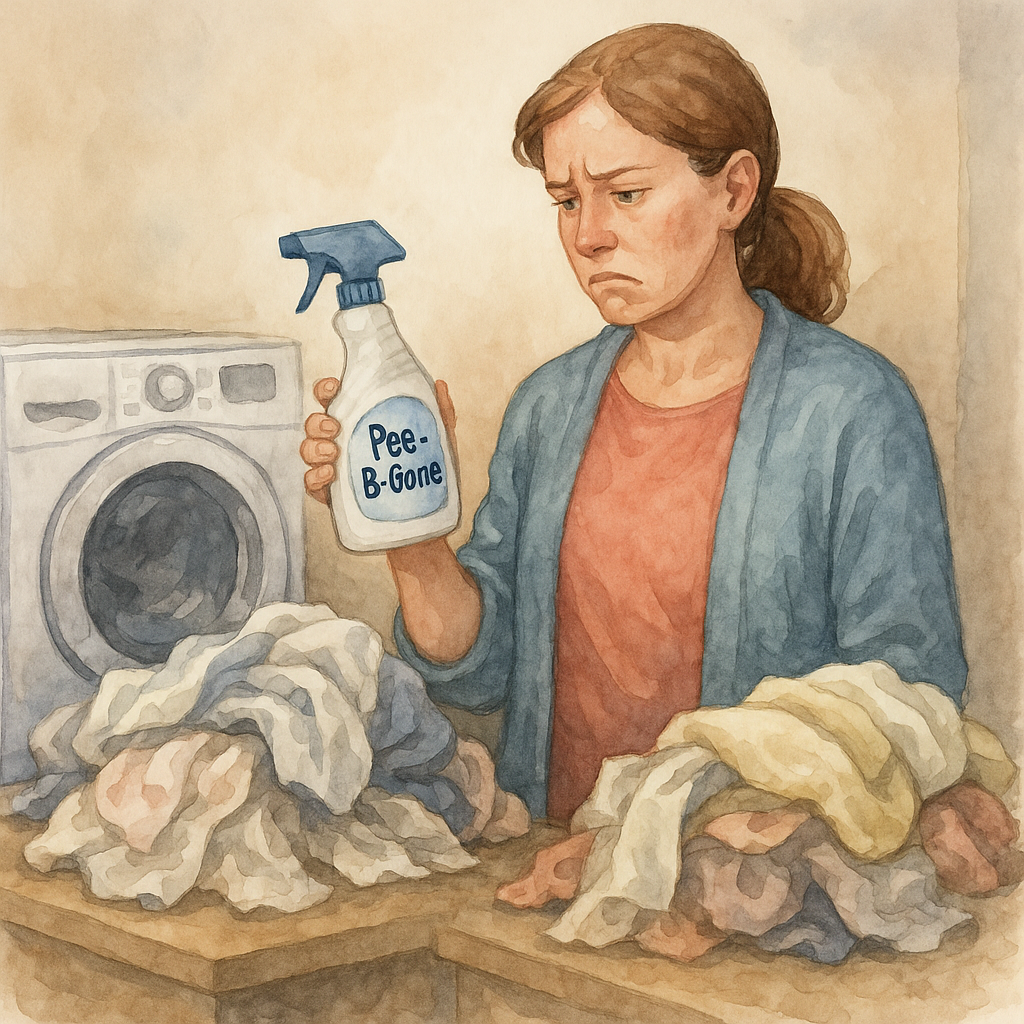
Accidents also mean laundry — and sometimes smells that don’t seem to go away. If you need help removing urine from clothing or bedding without ruining fabrics, I’ve written a quick caregiver guide that walks you through it step by step.
When Toileting Becomes a Safety Issue
There comes a point when toileting challenges stop being just uncomfortable and start becoming unsafe.
This often shows up as frequent near-falls, difficulty standing or sitting without support, increasing confusion in the bathroom, or rushing urgently — especially at night. Bathrooms are one of the most common places for serious injuries, simply because they combine tight spaces, hard surfaces, and urgency.
When safety becomes a concern, routines need to change.
That doesn’t mean you’ve failed.
It means the situation has changed.
Sometimes the safest option is moving the bathroom closer — using a bedside commode, adjusting nighttime routines, or adding more supervision during high-risk times. Other times it means accepting that privacy needs to look different for a season in order to prevent injury.
These adjustments can feel heavy, especially when they symbolize another loss of independence. But safety-focused changes are not about giving up — they’re about preventing a crisis that could permanently take choices away.
Responding early, before a major fall or injury, is one of the kindest things caregivers can do.
A Hospice Nurse’s Perspective
I once cared for a man in memory care who absolutely refused to wear pull-ups.
He walked the halls in regular underwear, having accidents throughout the day. Staff were frustrated. Other residents slipped in puddles or unknowingly sat on wet furniture. This was the point in my career when I started touching chairs before I sit down.
Every attempt to suggest incontinence products turned into an argument.
He didn’t see himself as someone who needed “that kind of help.”
So we stopped trying to convince him.
Instead, we found incontinence briefs online that looked and felt like regular boxer briefs. Same fabric. Same fit. Nothing bulky or obvious.
His wife quietly swapped out his underwear.
And just like that — the problem largely disappeared.
No more puddles in the hallway or embarrassment from wet pants or furniture. No more daily power struggles. He walked around feeling like himself again, and his dignity was preserved.
Were they perfect? No. They weren’t enough for overnight incontinence, and he still needed more support at night. But during the day, they worked — and that mattered.
Sometimes preserving dignity isn’t about forcing acceptance.
It’s about finding solutions that meet people where they are — without making them feel exposed or ashamed.
A Word of Comfort
Some of the most meaningful caregiving happens in moments no one else sees.
Helping someone in the bathroom. Cleaning up quietly. Offering reassurance instead of blame. These are not small acts — even though they often feel invisible.
If faith matters to you, it may help to remember this: God is present in the unseen work.
Dignity is not found in perfection or independence.
It’s found in how we treat one another when things are hardest.
And even on days that feel awkward, messy, or overwhelming — love is still very much at work.
Conclusion: Let’s Be Honest About This
Helping someone in the bathroom can be gross. It can be awkward. Uncomfortable. Embarrassing for both of you. It can bring up grief you didn’t expect and lines you never imagined crossing.
That doesn’t mean you’re doing it wrong.
It means you’re doing something incredibly hard that most people are never prepared for.
Toileting issues aren’t a failure. They’re not laziness, lack of effort or willpower. They’re a physical reality of aging and illness — and pretending otherwise only adds shame where none belongs.
Dignity doesn’t come from pretending this part of caregiving isn’t happening. It comes from how you respond when it does. From staying calm, choosing respectful words. Protecting privacy when you can. And handling accidents quietly and moving on.
If this part of caregiving feels heavy, you’re not weak. You’re human — and you’re showing up anyway. And that matters more than doing it perfectly.

I hope this article brought you some clarity or comfort. Caring for someone at the end of life can feel overwhelming, and you don’t have to figure it all out alone.
If you’re feeling unsure what to do next, my Free Resources page offers simple guides and tools that many families find helpful as they navigate this season. You can also sign up for my once-weekly emails no spam, no pressure. Just gentle support and education.
If you need additional support, or simply need a place to ask a question or vent, you’re welcome to leave a comment or send me an email. You’re not doing this wrong, and you’re not alone.
Aging, illness, weakness, balance problems, and cognitive changes can all make toileting harder and less predictable.
Maintaining privacy, using calm language, offering choices, and moving at their pace helps preserve dignity during toileting.
Refusal is often rooted in fear or loss of independence. Focusing on safety, comfort, and dignity instead of control can reduce resistance.
Yes. Many caregivers feel awkward, emotional, or overwhelmed. These feelings are common and do not mean you are doing something wrong.
Yes. Hospice teams provide education, safety guidance, and hands-on support for toileting and personal care. They do not provide daily care, but aides can assist during visits and help caregivers feel more confident.