How do you remove urine smell from clothing, bedding and other items in your home – without losing your mind?
No one prepares caregivers for this part.
Urine happens. It happens on clothes, bedding, furniture, shoes, and sometimes places you truly did not see coming. And when accidents become more frequent, the cleanup can feel just as overwhelming as the caregiving itself.
This is where a lot of quiet frustration builds.
Caregivers tell me all the time:
- “I can’t get the smell out.”
- “I’ve washed this three times.”
- “I’m afraid everything in the house smells like urine.”
- “I feel embarrassed even talking about this.”
Let me say this plainly: this is a logistics problem, not a personal failure.
Learning how to properly remove urine from clothing, linens, and furniture matters — not just for cleanliness, but for dignity. When odors linger, it increases shame for your loved one and stress for you. When cleanup feels manageable, everything feels a little less heavy.
Affiliate Disclosure
This article contains Amazon affiliate links. As an Amazon Associate, I earn from qualifying purchases. I only recommend products I personally use, trust, or have seen benefit families in hospice and caregiving settings. Any earnings support the free educational resources shared on this site.
Why Won’t the Urine Smell Come Out of the Fabric?
This is the part that makes caregivers feel like they’re losing their minds.
You wash the clothes.
They come out smelling fine.
Then they dry… and suddenly the smell is back.
Here’s why that happens.
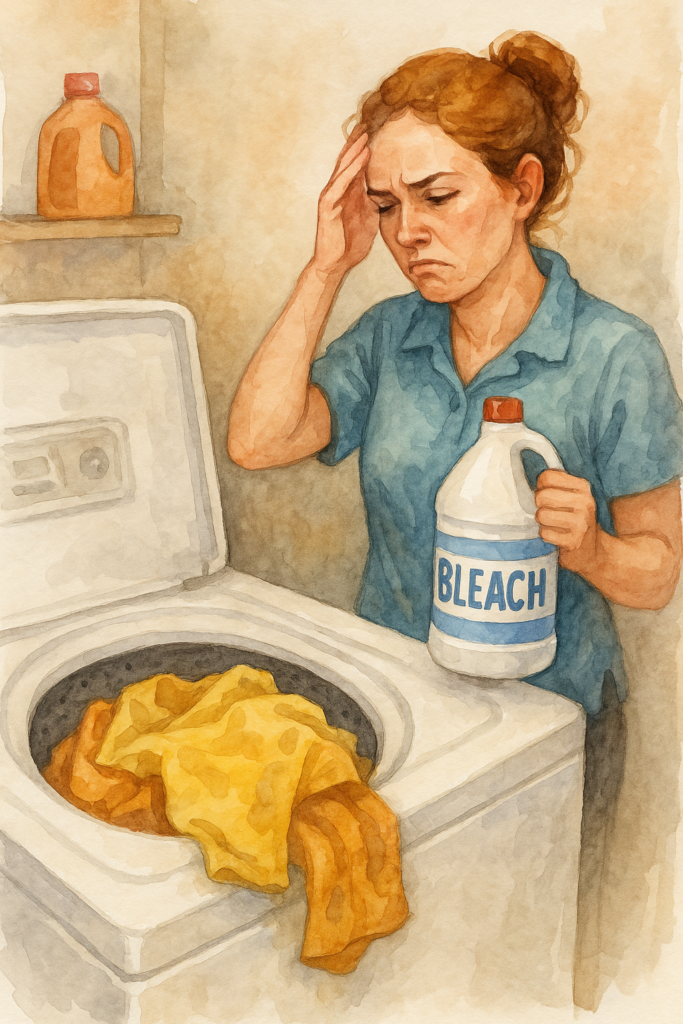
Urine isn’t just a smell — it leaves behind uric acid crystals that cling tightly to fabric fibers. Regular laundry detergent isn’t designed to break those crystals down. It mostly cleans surface dirt and adds fragrance.
So what happens?
- The detergent masks the odor temporarily
- The uric acid stays embedded in the fabric
- Heat from the dryer reactivates the smell
- And the odor comes roaring back, sometimes worse than before
That’s why clothes can smell “clean” when they’re wet — and awful once they’re dry.
Repeated washing without breaking down those crystals actually makes the problem harder to fix. Each cycle sets the odor deeper into the fabric, especially in synthetic materials, underwear, towels, and bedding.
This is also why vinegar, baking soda, or extra detergent often don’t work for urine smells. They can neutralize some odor — but they don’t destroy the uric acid itself.
To truly remove urine odor, you need products that break down the crystals, not just cover them up.
That’s where enzyme-based cleaners and odor-eliminating boosters come in.
They digest the uric acid at a molecular level, so there’s nothing left behind to reactivate later.
Once caregivers understand this, the frustration finally makes sense — and so does why certain products actually work when nothing else has.
Hospice Nurse Laundry Truth
If urine smell keeps coming back, it’s usually because:
- The urine was heat-set in the dryer
- The detergent masked the smell instead of breaking it down
- Uric acid crystals are still embedded in the fabric
That’s why enzyme products + soaking matter more than brand loyalty.
Why Pet Products Work Well for Urine Odor
Human and pet urine both contain uric acid crystals—the molecules that cling to fabric and cause lingering odors.
Regular laundry detergent may remove surface smells, but it often does not break down those crystals. That’s why the odor disappears when wet… then comes right back once everything dries.
Enzyme-based pet products are designed to break down uric acid at the source, not just mask the smell. When used correctly, they often outperform standard detergents—especially for set-in or repeat urine accidents.
This is why many hospice families quietly rely on pet products when nothing else works.
Recommended Products
(Based on personal use and feedback from hospice families)
Anti-Icky-Poo Laundry Additive
Why this works: A professional-grade enzyme cleaner originally designed for pet urine. It’s also popular with cloth diaper users for a reason—it breaks down uric acid crystals, which are the real cause of stubborn odor. Especially effective for laundry that has already been washed multiple times but still smells. Also comes in Fabric SPRAY.
Best for: Urine odors that persist load after load despite “everything you’ve tried.”
Nature’s Miracle In-Wash Odor & Stain Remover
Why this works: A bio-enzymatic laundry booster made for pet stains, but widely used by caregivers. The enzyme formula helps your regular detergent actually remove odor-causing compounds instead of masking them.
Best for: Boosting your usual detergent when urine odor is present but not deeply set.
Skout’s Honor Urine Destroyer
Why this works: A highly reviewed, professional-strength enzyme spray that breaks down urine odors at the source. Safe for most fabrics and effective on clothing, bedding, upholstery, and carpets.
Best for: Pretreating visible urine spots before washing clothes, sheets, towels, or reusable pads.
POOPH® Laundry Booster
Eliminates The Toughest Odors in Washables in ONE Wash –with NO FRAGRANCES groundbreaking odor eliminating technology that safely eliminates embedded odors from washables. Detergent cleans dirt–POOPH Laundry cleans odors
Best for: Frequent accidents, heavier laundry loads, or ongoing incontinence issues.
Freshening the Air & Treating Unwashable Items
Urine odor doesn’t just linger in fabrics — it can settle into the air and surfaces you can’t toss in the washer (like mattresses, upholstered chairs, car seats, reusable pads, and soft toys). Here are tried-and-true options that work with enzyme odor removal and air purification, not just masking.
Air Purifiers with HEPA + Carbon Filters
Why this works: Air purifiers with activated carbon + HEPA filtration capture odor molecules and airborne particles at the source — not just cover smells with fragrance. These are especially helpful in small bedrooms, shared living areas, and rooms where someone is spending long periods of time.
Best for: Persistent room odors, shared spaces, and improving overall air quality around bedding or seating.
Tips: Place near the primary odor source (bed, favorite chair). Run continuously on a low setting for best results. I use Levoit in my home. Look at the filter replacement cost more than initial cost of machine. They also have these plug in’s that do a pretty decent job.
Enzyme Odor Eliminator Sprays for Surfaces/Unwashables
These are similar to the laundry enzyme products, but formulated to be safe on soft surfaces and fabrics you can’t wash: I use the OdoBan line. Mostly the Eucalyptus but occasionally the lavender.
Enzyme Spray (Pretreat + Refresh)
Why this works: Professional enzyme sprays break down uric acid on contact — even in soft upholstery and mattresses. Great for spot-treating unwashable items without harsh chemicals.
Best for: Mattresses, couches, car seats, cloth chairs, pet beds, fabric curtains, and other soft surfaces.
Application Tips:
- Lightly mist the area — don’t soak.
- Let air dry completely.
- For mattresses, follow with baking soda after drying (see below).
Baking Soda (Odor Absorber for Rooms & Fabrics)
Why this works: Baking soda won’t chemically break down the odor molecules, but it absorbs airborne smells and lingering odors in fabrics.
Best for: Carpets, rugs, mattresses, upholstered furniture, and shoe insides.
How to use:
- Sprinkle a thin layer on the fabric surface.
- Let sit for hours or overnight.
- Vacuum thoroughly.
This pairs well with enzyme treatment by soaking up what’s left after odor breakdown.
Activated Charcoal or Odor Absorber Packs
Why this works: Activated charcoal draws odor molecules out of the air and fabric by adsorption (they stick to its surface). It’s fragrance-free and safe to leave running in a room all day.
Best for: Bedrooms, bathrooms, closets with reusable pads, car interiors, and areas where air circulation is limited.
Placement Tips:
- Put multiple small packs in different locations for best coverage.
- Refresh or replace charcoal packs monthly for odor performance.
Essential Oil Diffusers (for Gentle Freshness)
Why this works: A diffuser doesn’t remove odors, but it can make the room feel fresher without heavy fragrance. Use essential oils known for calming or disinfecting notes (like lavender, eucalyptus, or lemon).
Best for: Caregiving spaces where strong perfumes may be irritating or overwhelming.
Remember: Keep oils mild, use low mist, and avoid if respiratory sensitivity is present.
Odor-Neutralizing Candles & Room Sprays
Why this works: Look for formulas that advertise “odor neutralizing” rather than simple fragrance. These can help with airborne odors in a pinch, but they are most effective after enzyme treatment has addressed the source.
Best for: Common areas, guest rooms, hallways — not as a primary solution on fabrics.
Remember: Never have open flames in the same room as Oxygen.
Caregiver Laundry Tips for Best Results
Pretreat first: Sprays or enzyme solutions (like Skout’s Honor) applied directly to urine spots help break down odor before washing.
Boost your wash: Add odor boosters (like Nature’s Miracle Laundry Boost or WEE AWAY) to your regular detergent to improve cleaning power.
Neutralize, don’t just mask: Products like Odorcide focus on neutralizing odors, so clothing actually smells clean rather than fragranced.
Quick Use Guide for Unwashable Items & Air Treatment
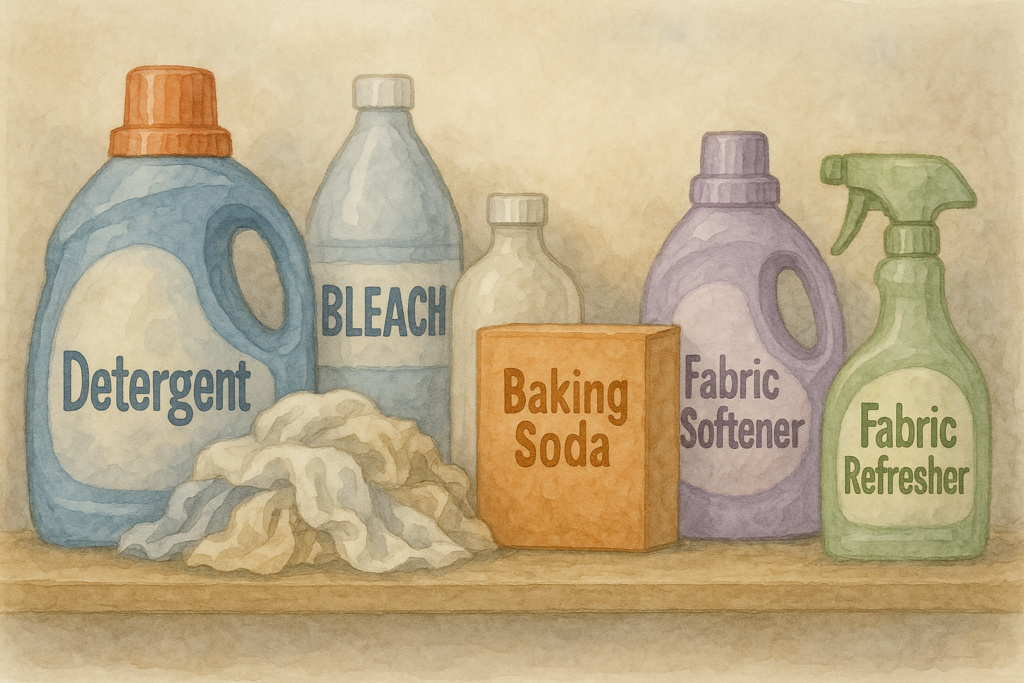
- Treat the source first
- Enzyme spray on spots or unwashables (mattress edges, upholstery seams).
- Let dry fully.
- Absorb residual odors
- Sprinkle baking soda; vacuum.
- Place charcoal packs nearby.
- Improve air quality
- Run an air purifier with carbon filter.
- Use a mild essential-oil diffuser for a comforting scent layer.
Gentle Hospice Note
If odor is becoming a recurring issue, it’s not a failure—and it’s not poor hygiene. In advanced illness, the body’s chemistry changes, accidents happen, and standard products often aren’t enough. Using tools that actually work preserves dignity, comfort, and your own sanity as a caregiver.
No one expects a room to smell fresh during advanced illness — but you deserve environments that feel clean and comforting. Pairing source-based odor removal with air-quality tools helps keep rooms peaceful and dignified for your loved one and for you.

I hope this article brought you some clarity or comfort. Caring for someone at the end of life can feel overwhelming, and you don’t have to figure it all out alone.
If you’re feeling unsure what to do next, my Free Resources page offers simple guides and tools that many families find helpful as they navigate this season. You can also sign up for my once-weekly emails no spam, no pressure. Just gentle support and education.
If you need additional support, or simply need a place to ask a question or vent, you’re welcome to leave a comment or send me an email. You’re not doing this wrong, and you’re not alone.
FAQs
Urine contains uric acid crystals that regular detergent doesn’t fully remove. Heat from dryers can lock the odor in.
Enzyme-based cleaners break down uric acid crystals at the source and are more effective than standard detergents.
Yes. Pet enzyme products work well because human and pet urine contain the same odor-causing compounds.
Blot moisture, use enzyme spray, allow to air-dry completely, then apply baking soda and vacuum once dry.
Using mattress protectors, furniture covers, and washable pads prevents odors from setting in and protects surfaces.
Use caution. Essential oils may mask odors but don’t remove them and can be harmful to pets, especially cats.