The First Year Without Them: A Hospice Nurse’s Guide to Grief, Healing, and Faith
What does the first year of grief feel like after losing a loved one? The first year of grief after losing a loved one is often the hardest. It brings…
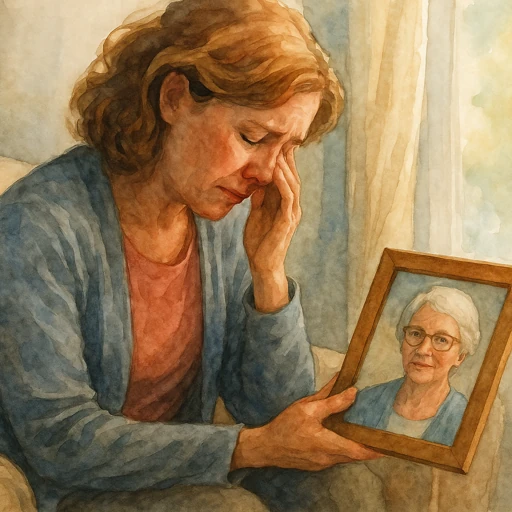
What does the first year of grief feel like after losing a loved one? The first year of grief after losing a loved one is often the hardest. It brings…
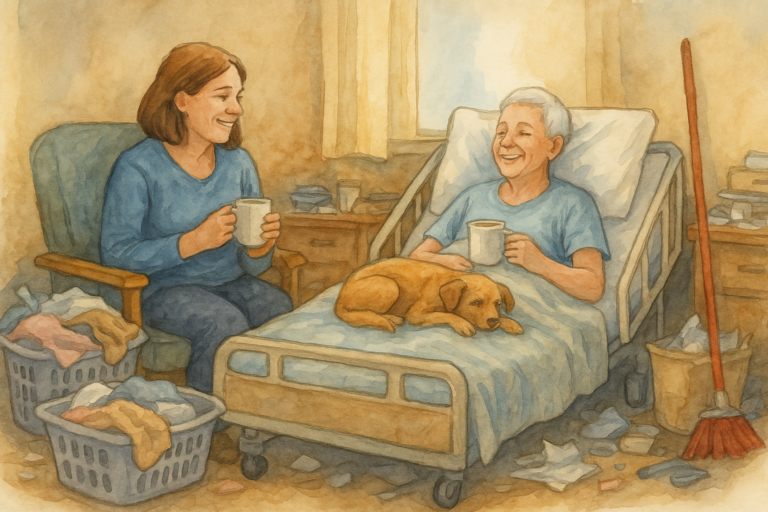
Caregiving is holy work… but it is also HARD work. You are loving someone through a season that demands more energy, more patience, more emotional bandwidth, and more flexibility than…
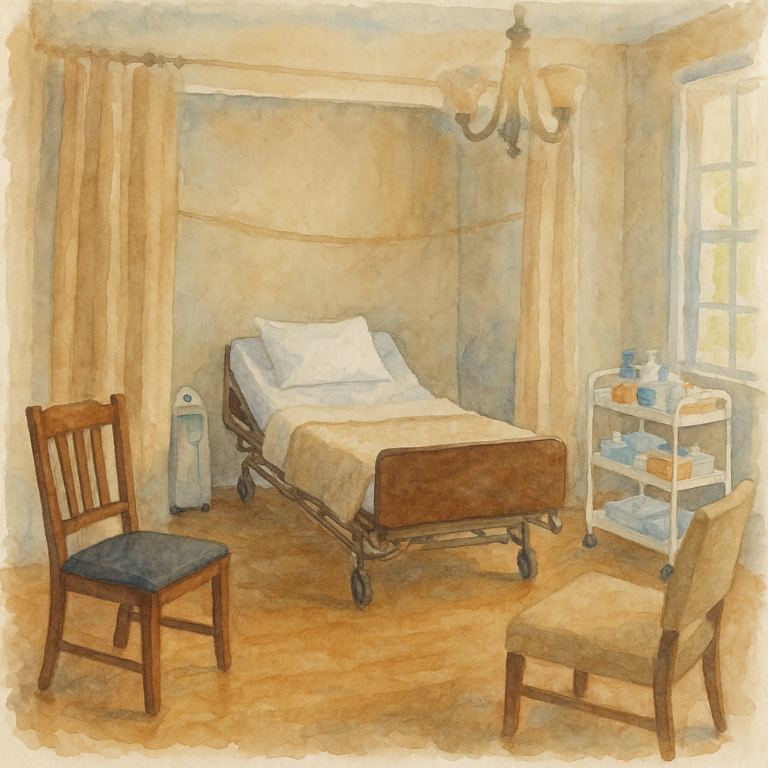
When you welcome a loved one home for their final days, it’s common to feel overwhelmed by the logistics. Families often ask me, “Do we need a special room? Do we need certain equipment? How do we set everything up?”
Here’s the truth I’ve learned after years of walking families through this tender season:
You don’t need a perfect home.
You don’t need a guest suite with an attached bathroom.
You don’t need expensive tools or a fully stocked supply cabinet.
I’ve seen dining rooms transformed into the most beautiful, sacred spaces—quiet corners filled with love, soft lighting, and a simple curtain for privacy. What matters most is not the room itself, but the peace you create inside it.
A safe bed, a clear path to move around, and the ability to hear your loved one if they call—those are the things that matter. Add a few soft blankets, extra sheets, a monitor for safety, and a place for family to sit nearby, and you have everything you truly need.
The goal isn’t perfection.
The goal is comfort, dignity, and presence.
Your home—just as it is—can hold all of that beautifully.
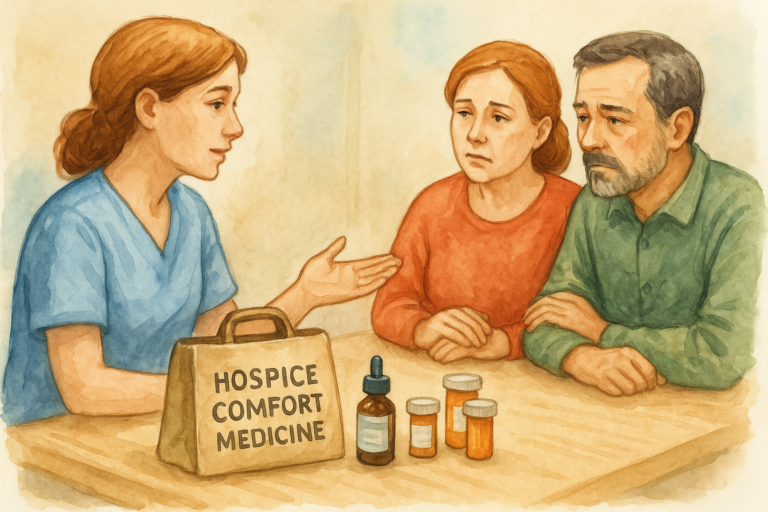
Comfort medications often scare families, but they’re safe, gentle, and meant to ease shortness of breath, pain, anxiety, and restlessness at the end of life. This guide explains what each medication does and why they do not hasten death.
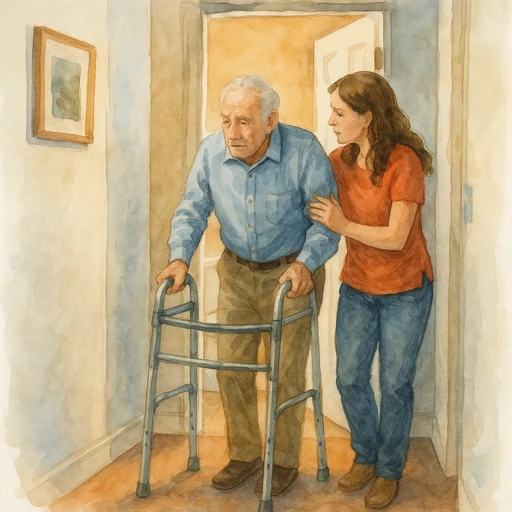
A Simple Guide for Families One of the most common questions I hear as a hospice nurse is: “How do we know if our loved one qualifies for hospice?” Families…
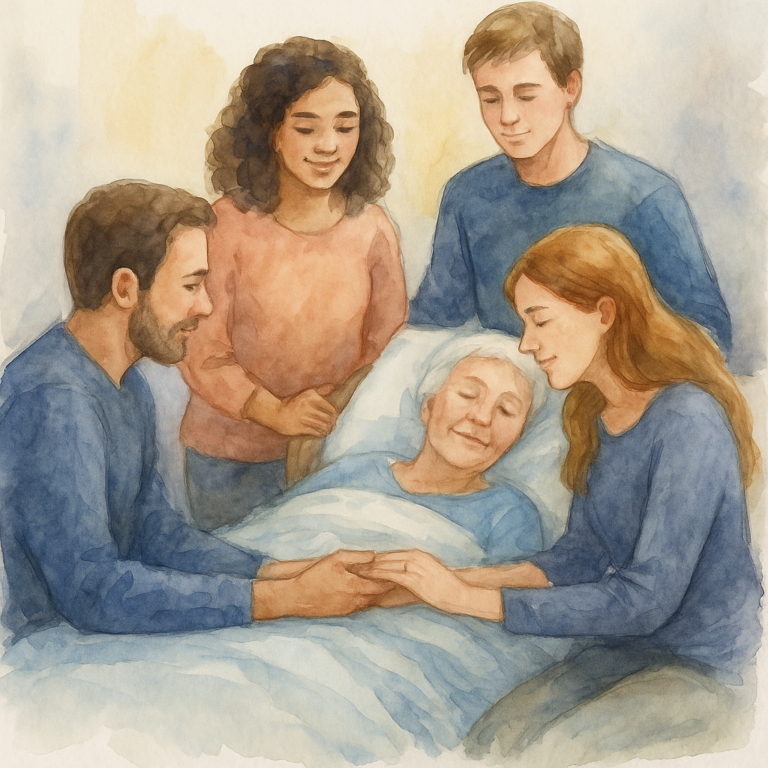
(Written by a Hospice Nurse) “You Don’t Have to Wait for Someone to Bring It Up” Most families wait far too long before learning about hospice. Sometimes doctors dance around…
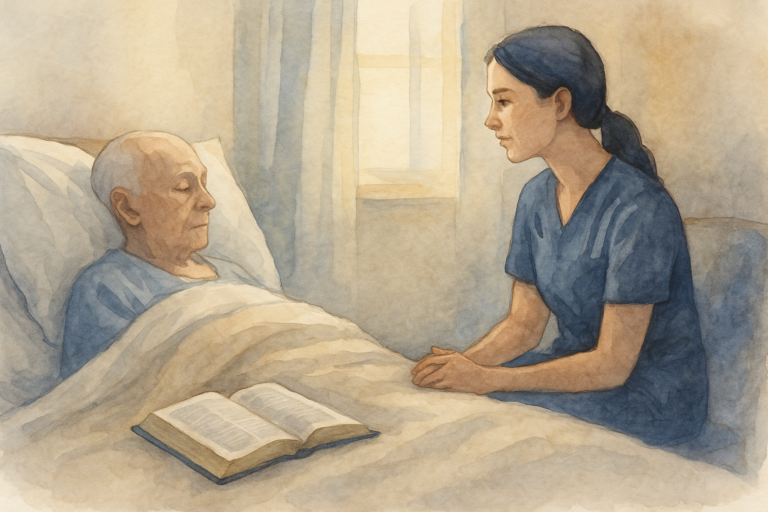
Choosing a Hospice Shouldn’t Feel Overwhelming Choosing a hospice is one of the most important decisions a family will ever make — and it often happens during an already stressful,…

God’s Design for a Peaceful Death
When someone you love is nearing the end of life, the changes you see can feel frightening and unfamiliar. But there is something deeply comforting I want you to know.
God designed the dying process to be peaceful.
What you are witnessing is not suffering. It is the body doing exactly what it was created to do. As a hospice nurse, I have walked many families through this sacred transition, and time and again I see the same truth.
Death is far gentler than it looks.
As the body begins to slow, God draws near. He comforts, carries, and guides His children home. Your loved one is not alone, and you are not witnessing fear or pain, but a quiet, holy transition held in God’s presence.
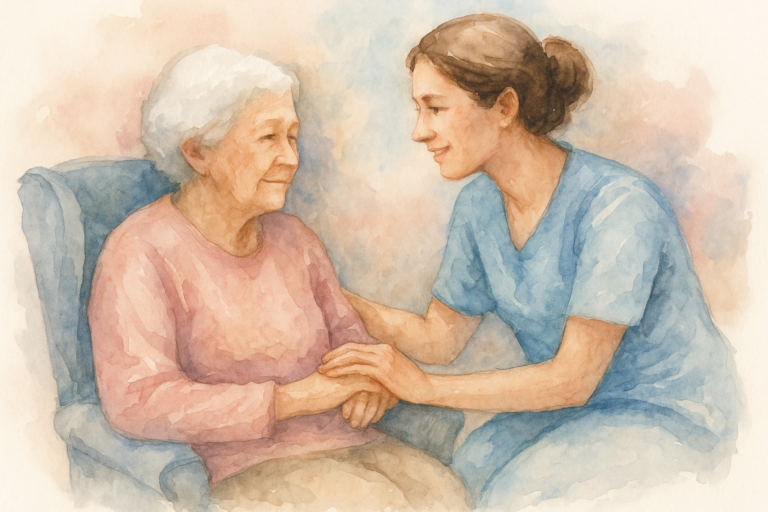
The Nurse (Your Case Manager) Your primary nurse is often called your case manager because we coordinate everything. We’re your main point of contact — the person you can call,…
Families often misunderstand what hospice really is. In this article, I break down the surprising things families don’t realize about hospice—what it truly offers, how it supports you, and why understanding these truths brings more peace to your home.