Choosing a Hospice Shouldn’t Feel Overwhelming
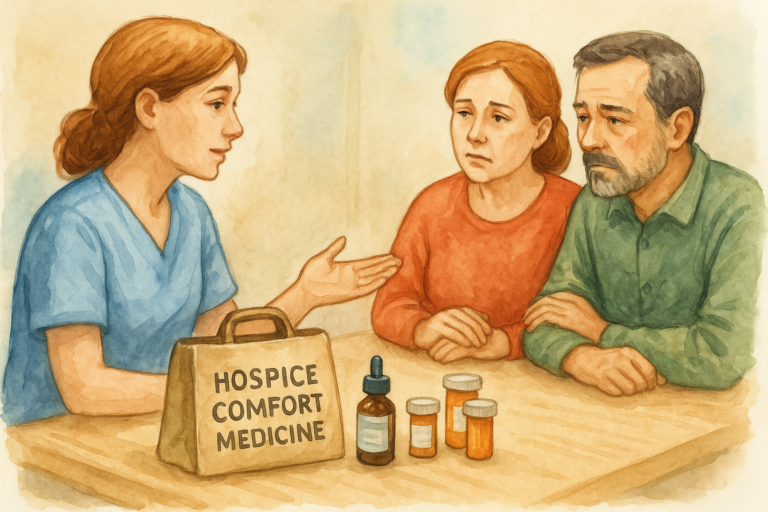
Choosing a hospice is one of the most important decisions a family will ever make — and it often happens during an already stressful, emotional time. Many families feel pressure, confusion, or a sense of urgency, especially when a hospital or facility is “recommending” a certain hospice. If you’re feeling that way, you’re not alone.
I want to reassure you of something right from the start:
Hospice is not giving up.
It’s choosing comfort, support, dignity, and peace for someone you love.
This guide will walk you through what actually matters when you’re choosing a hospice, the questions you should ask, and the red flags you should never ignore. My hope is that by the end, you feel more confident, more informed, and more at peace — like you have someone gently guiding you through each step.
You are doing the best you can in a hard moment, and you don’t have to figure this out alone.
Important: You Always Have a Choice
No matter what a hospital, nursing home, or assisted living facility tells you, you can choose ANY Medicare-certified hospice you want.
Facilities may have “preferred partners,” but no one can force you to use a specific hospice.
You have the legal right to select the agency that feels right for your family — one that communicates well, responds quickly, and treats you with compassion.
What Really Matters When Choosing a Hospice
One of the biggest misunderstandings about hospice is that the quality of care varies dramatically from agency to agency. The truth is this:
Every Medicare-certified hospice must provide the same basic services.
Medications, equipment, supplies, and the plan of care are federally regulated — so on paper, every hospice looks very similar.
But in real life, the difference between an excellent hospice and a poor one almost always comes down to one thing:
Nurse Staffing Ratios
A hospice can only be as good as the nurses who are able to show up — consistently, compassionately, and without being overloaded.
Signs of poor staffing include:
- Nurse visits decreasing to once a week
- A different nurse every visit
- Rushed visits with little teaching
- Long gaps between visits during symptom changes
- Little or no communication
These are staffing problems, not hospice problems.
Your Experience Matters — What I See as a Hospice Nurse
Over the years, I’ve cared for families who came from agencies where:
- After-hours calls were never returned
- Nurses didn’t show up for scheduled visits
- Nurses arrived at 7 PM when the family expected someone that morning
- A new nurse showed up every visit due to turnover
- Patients were labeled “stable” so visits could be reduced
Families deserve better.
Hospice should never feel chaotic or confusing.
Large vs. Small Hospice Agencies (Short & Simple)
- Large agencies can feel more corporate, with higher nurse-to-patient ratios.
- Small agencies often feel more personal and supportive.
What matters most isn’t size — it’s how well they staff, communicate, and respond.
What Truly Matters
Look for a hospice that offers:
- Frequent visits, especially during decline
- One consistent nurse
- Fast responses to calls
- Clear, compassionate communication
- A team that shows up when you need them
You always have the right to choose another hospice.
Families make this change every day.
A Quick Note About How Hospice Is Paid For
Medicare pays every hospice a set daily rate, no matter how many visits they make.
That one payment must cover:
- Nurses
- Aides
- Medications
- Supplies
- Equipment
- After-hours support
Some agencies cut costs by limiting visits.
Others invest in strong staffing and excellent care.
This is why staffing ratios matter so much.
What High-Quality Hospice Care Looks Like
When you’re choosing a hospice, it helps to know what good care looks like. Here’s what you should expect from an excellent agency:
Frequent Nurse Visits
2–3 visits per week, more during decline.
24/7 Nurse Availability
A real hospice nurse should answer after hours.
Aides Who Actually Show Up
Consistent, kind, reliable support.
One Consistent Nurse
You shouldn’t meet a new face every visit.
Fast Delivery of Medications & Supplies
Same-day or within 24 hours.
Gentle Chaplain Support (If You Want It)
Respectful of your faith and preferences.
Social Worker Support
Regular check-ins — not “when they remember.”
On-Call Visits for Symptom Changes
Even at 2 AM.
Clear, Honest Communication
You should always understand what’s happening.
Staff Who Treat You Like Family
Hospice should bring peace, not chaos.
15 Questions to Ask When Choosing a Hospice (shortened for this article)
- How often will my nurse visit?
- What is your nurse caseload?
- How large is each nurse’s service area?
- How do you handle uncontrolled symptoms?
- How quickly do you respond to urgent calls?
- Do you have after-hours nurses?
- Will we have the same nurse?
- How long are typical visits?
- How quickly can meds be delivered?
- What support do aides provide?
- How often does the social worker visit?
- What does chaplain support look like?
- Do you offer volunteer services?
- What does your bereavement program include?
- How do you communicate care-plan changes?
Download the full 15-Question Hospice Interview Questions
Bonus Tip: Know Who You’re Speaking With
Hospices often send marketers (non-medical staff) to meet new families. They may not know the clinical details you need.
Always ask:
“Can I speak with the nurse manager who will be overseeing my loved one’s care?”
The Importance of Trusting Your Gut
If something feels off, listen to that.
You can switch hospices anytime.
You are still advocating for the person you love.
Your instincts matter.
Peace is often God’s way of leading you.
The Spiritual & Emotional Side of Choosing Hospice
Hospice is a sacred season.
You’re choosing a team who will care for your loved one’s soul, not just their symptoms.
God often guides families through peace, clarity, and calm.
You deserve a team that brings compassion, not confusion.
You are not alone.
God walks with you — and the right hospice team will too.
Closing — You’re Not Just Choosing a Hospice. You’re Choosing Support.
Choosing hospice is an act of love.
You’re advocating, preparing, and doing everything you can to ensure comfort and dignity.
You’re doing the right thing.
If you need more guidance, encouragement, or practical tools, I have many resources available — and more coming soon.
You don’t have to walk this alone.

I hope this article brought you some clarity or comfort. Caring for someone at the end of life can feel overwhelming, and you don’t have to figure it all out alone.
If you’re feeling unsure what to do next, my Free Resources page offers simple guides and tools that many families find helpful as they navigate this season. You can also sign up for my once-weekly emails no spam, no pressure. Just gentle support and education.
If you need additional support, or simply need a place to ask a question or vent, you’re welcome to leave a comment or send me an email. You’re not doing this wrong, and you’re not alone.