The Thought Caregivers Don’t Say Out Loud
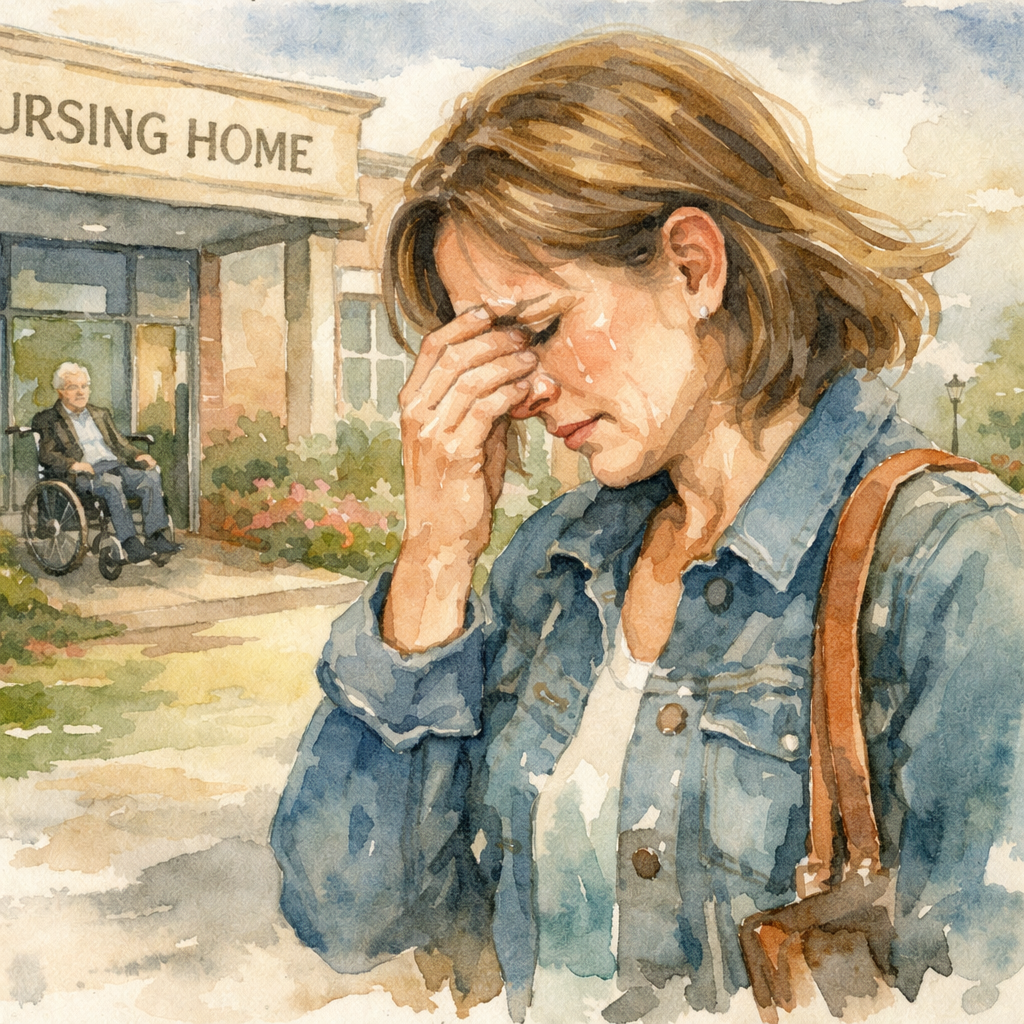
Many caregivers experience intense caregiver guilt after nursing home placement, especially when the thought “I abandoned them” surfaces for the first time.
Many caregivers are startled by how loud this thought becomes after nursing home placement, once their loved one is no longer at home. It often does not show up before placement, but after. After the decision is made. After the crisis slows. After there is finally space to think.
This thought is deeply uncomfortable. It carries shame, grief, and self-doubt all at once. Because it feels so heavy, people rarely say it out loud.
Many caregivers search, “Did I abandon my parent by placing them in a nursing home?” In most cases, the answer is no. Placement that includes continued involvement, advocacy, and oversight is not abandonment. It is a shift in how care is delivered.
If this thought has crossed your mind, it does not automatically mean the decision was wrong. It means you are trying to make sense of a loss that is rarely named. The loss of a role you held every hour of every day.
I have sat with many caregivers who said these exact words quietly, after placement. They were still visiting. Still advocating. Still deeply involved. And yet the feeling persisted.
Feeling like you abandoned someone is not the same thing as abandoning them. That difference matters, and it deserves to be examined gently.
Why Nursing Home Placement Feels Like Abandonment
This feeling is one of the most common forms of caregiver guilt after placement.
Why does placement feel so much like abandonment, even when you are still involved and present?
Caregiving quietly creates an identity. You become the protector, the constant presence, the one who solves problems before anyone else sees them. Over time, this role becomes woven into how you measure love.
Placement can feel like stepping out of that role all at once. The hands-on tasks change. The urgency shifts. Even when you continue to visit, manage care, and advocate, the shape of your involvement is different.
Emotionally, that change registers as leaving. Not because you stopped caring, but because the role that defined your days is no longer the same. The body and heart interpret that shift as loss.
I have seen caregivers struggle with this even when they are more involved than ever. One daughter told me, “I feel like I left her,” while sitting at her mother’s bedside every afternoon. The feeling did not match reality, but it felt real all the same.
An emotional experience can feel true without being factually accurate. Feeling like abandonment is not the same thing as abandoning someone.
“I Promised I’d Never Put You in a Facility.” When Promises Create Guilt
Have you been holding yourself to a promise you made before you understood what it would truly require?
Many caregivers carry deep guilt tied to words they spoke early on. “I’ll never put you in a facility.” “I’ll take care of you myself.” These promises are usually made out of love, fear, and a desire to protect. They are sincere. They matter.
What often gets overlooked is timing.
Those promises were made before you understood how the illness would progress. Before you saw the physical decline, the safety risks, or the constant vigilance required day after day. Before you knew how long this season might last, or how much it would demand of one person.
The promise was real. Your intention was real. But the circumstances were incomplete at the time the promise was made.
I have sat with caregivers who repeated these promises to themselves like a verdict, even as their loved one’s needs had far surpassed what any single person could safely manage. The words stayed the same. The reality did not.
Breaking a promise feels like betrayal. But being unable to fulfill a promise under changed conditions is not the same as abandoning love. The promise mattered. And so does the reality you are facing now.
Key Hospice Truth: One Person Cannot Replace a Team
Why does it feel like you should have been able to do more, even when care needs outgrew what one person can provide?
One of the hardest hospice truths for families to accept is this. As illness progresses, care stops being about devotion and starts being about systems.
According to the National Institute on Aging, care needs often increase gradually before families recognize how much support is required.
A care team provides what no single person can. Multiple caregivers. Safe lifting and transfers. Medication management that requires constant attention. Monitoring around the clock, including nights, weekends, and moments when exhaustion would otherwise take over.
Once care reaches this level, one person cannot safely replace a team. This is true no matter how loving, committed, or determined that person is.
I have watched deeply devoted caregivers push far past their limits because they believed needing help meant they had failed. One spouse told me, “If I loved him enough, I could do this.” Her love was never the issue. Her body and mind were simply being asked to do the work of several people.
This is not about effort.
It is not about commitment.
It is not a measure of love.
It is about physical and cognitive limits that no amount of devotion can override.
When Staying Home Stops Being Care and Starts Being Risk
How do you know when staying at home is no longer protecting your loved one, but quietly putting them at risk?
Many caregivers believe that as long as their loved one remains at home, they are safer. Hospice often sees the opposite happen slowly, without a clear breaking point. Risk tends to build quietly, not through one dramatic event, but through a series of small, preventable harms.
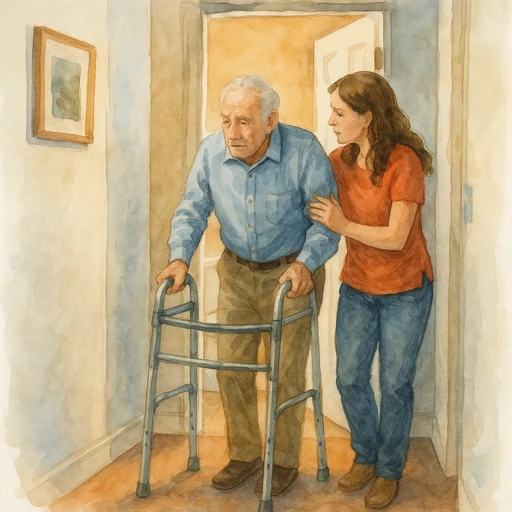
Falls become more likely as strength and balance change, especially as safety risks at the end of life increase. Medications are missed or given incorrectly as schedules grow complex and sleep becomes fragmented. Transfers that once felt manageable become unsafe. Caregivers injure their backs, shoulders, or knees trying to do more than one body can handle. Exhaustion sets in, and with it, mistakes.
I have sat with families who said, “We were managing,” until they realized how many close calls had already happened. Nothing had gone wrong yet, but the margin for safety had disappeared.
Staying longer at home, when care needs have outgrown one person, does not automatically mean providing better care. In some situations, it means carrying increasing risk without realizing it. The shift is often recognized only in hindsight.
Why Guilt Often Gets Worse After Placement
Why does the guilt feel heavier after placement, instead of easing once the decision is made?
For many caregivers, placement ends a long crisis phase. The constant vigilance slows. Emergencies ease. Adrenaline drops. For the first time in months or years, the body begins to rest.
This is a common experience for caregivers adjusting after nursing home placement. That is often when guilt surfaces.
During active caregiving, there is little room to feel beyond urgency. Every day is focused on tasks, safety, and getting through the next moment. When that pace finally changes, emotions that were held at bay rush in. This emotional crash often follows prolonged caregiver burnout, even when caregivers did not recognize it as burnout at the time.
I hear caregivers say, “I don’t understand why I feel worse now.” One woman felt ashamed for sleeping through the night again. Another felt guilty the first time she laughed at something unrelated to caregiving. The relief was real. So was the guilt.
These feelings often arrive together. Relief does not cancel out love. Guilt does not mean you made the wrong choice. It means your nervous system is adjusting after carrying something heavy for a long time.
Both can exist at once.
Is Nursing Home Placement the Same as Abandonment?
What does abandonment actually look like, and how is it different from placement?
True abandonment is defined by absence. It involves stepping away completely. No advocacy. No follow-through. No emotional presence. The person is left without protection or involvement.
Placement does not meet that definition when care continues.
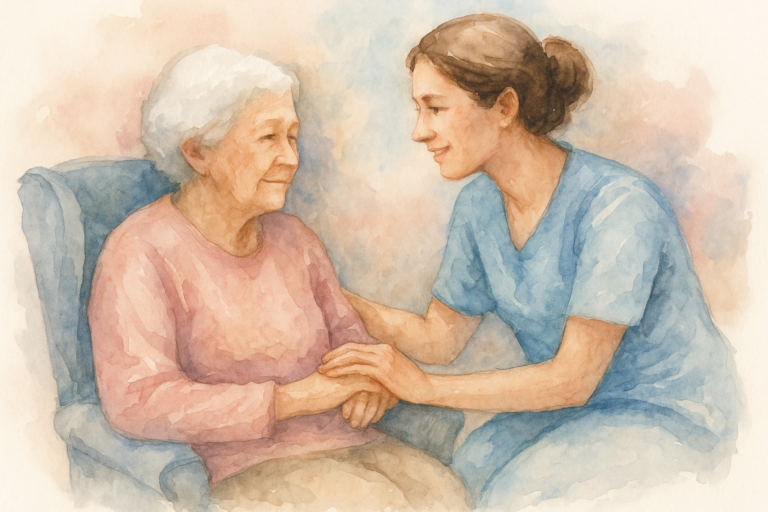
Many caregivers remain deeply involved after placement. They visit regularly. They monitor care. They speak up when something does not feel right. They continue to know their loved one’s routines, preferences, and needs. The setting has changed, but the relationship has not disappeared.
One son told me, “I’m afraid I left her.” Yet he was the one calling the facility daily, coordinating care, and sitting at her bedside on weekends. His actions told a very different story than his guilt did.
Placement that includes oversight, advocacy, and emotional presence is not abandonment. It is a shift in how care is delivered, not a withdrawal of love.
How Faith Can Reframe Caregiver Guilt
If faith is part of your life, it can help to pause and reframe what love and faithfulness mean here.
Love is not measured by how much one person suffers. Enduring harm or exhaustion is not a requirement for devotion. Caring deeply does not mean absorbing every burden alone.
Faithfulness is not self-destruction. It is stewardship. Of your body. Your limits. Your ability to continue showing up with presence and compassion over time.
God does not ask one person to function as an entire system. He works through community, shared responsibility, and shared care. Accepting help or choosing placement does not mean stepping outside of faith. It can mean recognizing the limits of one role and trusting that care can be carried by more than one set of hands.
If this decision has shaken your faith, you are not alone. And if faith has helped you make it, that is also true.
Reframing the Question
What if the question is not whether you abandoned them, but whether you recognized what you could and could not safely provide?
“Did I abandon them?” is a question loaded with shame and self-blame. It assumes love is proven only by endurance, and that needing help means failure.
A more honest question is quieter. What could I realistically and safely provide, and what could I not?
Some care needs eventually exceed what one person can manage, no matter how devoted they are. Acknowledging that limit does not erase love. It clarifies responsibility.
I have watched caregivers carry decisions like this for years, still wishing there had been a painless option. There often is not. Some choices remain painful even when they are necessary.
Caregiver guilt after nursing home placement is common. It does not automatically mean the decision was wrong. It means you loved deeply, and the role changed. If you are sitting with this question, know this. You are not weak for feeling conflicted. You are human. The fact that you are wrestling with it means you care deeply. That’s what matters.
If caregiving feels like too much right now, you’re not weak. You’re overloaded.
This guide walks you through 10 clear steps to reduce overwhelm and think more calmly about what comes next.
If you need additional support, I share more information and resources at JuliaPierceRN.com
Frequently Asked Questions
No. Placement is not abandonment when care, advocacy, and involvement continue. Abandonment means stepping away completely. Many caregivers remain deeply present after placement, even though the setting changes.
Guilt often surfaces after placement because the crisis pace slows and emotions finally have space to surface. The shift in your caregiving role can feel like loss, even when the decision was necessary and appropriate.
No. As illness progresses, care needs can exceed what one person can safely provide. Choosing additional support does not mean failure. It reflects recognition of limits and safety needs.
Warning signs include frequent falls, unsafe transfers, medication errors, sleep deprivation, and increasing caregiver injury or exhaustion. When risks quietly increase, additional support may be needed.
True abandonment involves complete withdrawal of care and advocacy. Placement with continued involvement, visitation, and oversight is not abandonment. It is a change in care structure, not a withdrawal of love.