“Am I Abandoning Them?” When Nursing Home Placement Feels Like Betrayal
Caregiver guilt after nursing home placement. Why it feels like abandonment and what it really means.
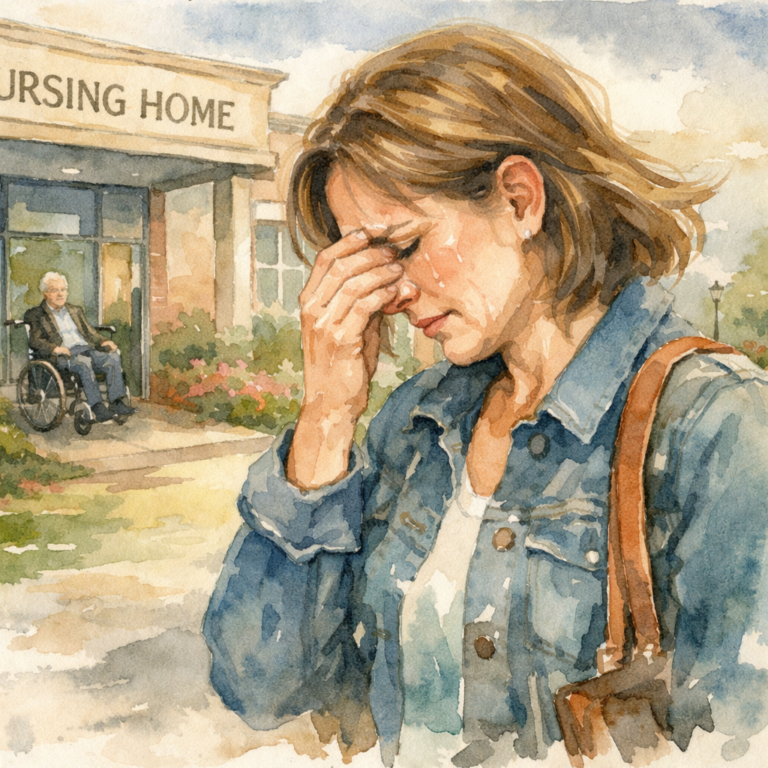
Caregiver guilt after nursing home placement. Why it feels like abandonment and what it really means.

Many families avoid talking about death to protect each other. This article explains why silence often causes fear and regret later.
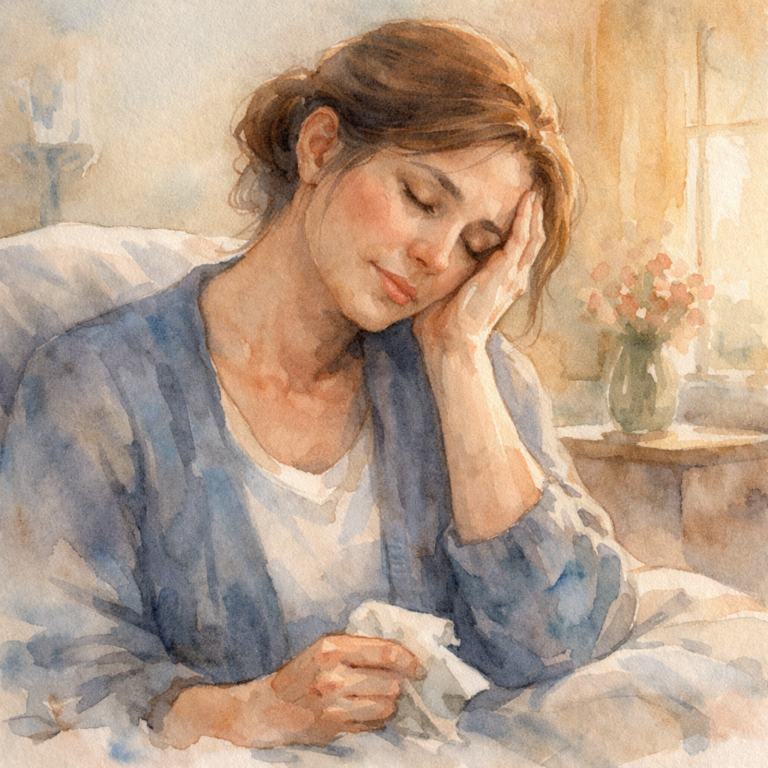
Feeling relieved when someone dies is one of the most misunderstood parts of grief. It often brings confusion and guilt, even though it is a very human response after long caregiving and watching someone suffer. This is a space to talk about that feeling honestly, without judgment.
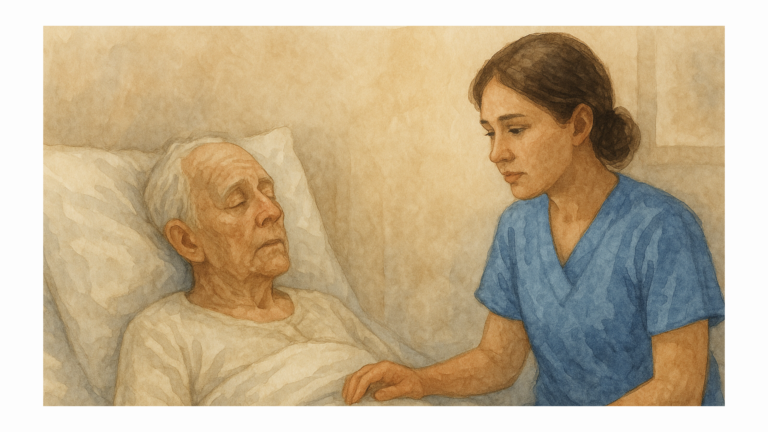
When a loved one stops talking near the end of life, the silence can feel frightening and deeply personal.
Caregivers worry they said the wrong thing, waited too long, or lost connection. As a hospice nurse, I want you to know this clearly: loss of speech at the end of life is a normal physical change, not emotional withdrawal.
Understanding why talking fades — and how to stay connected without words — can bring comfort, reassurance, and peace during this stage.
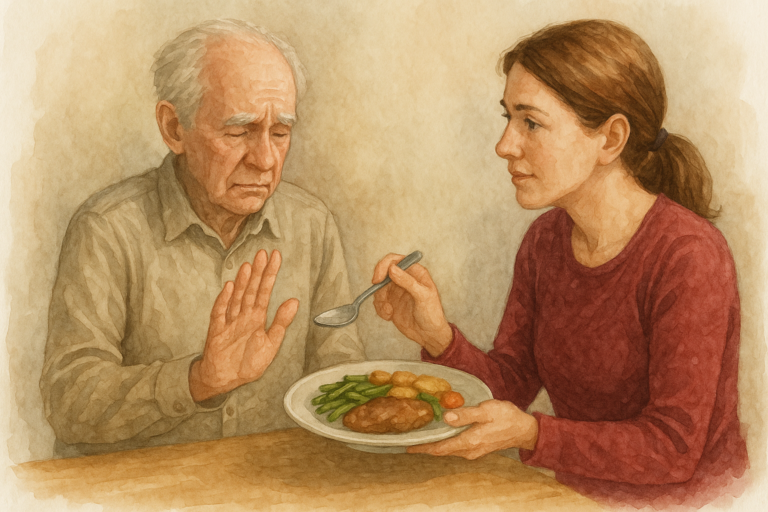
When a dying loved one stops eating, families panic.
Food feels basic. Loving. Necessary. So when a plate goes untouched, caregivers feel fear, guilt, and urgency all at once — Are they starving? Should I push harder? Am I letting something terrible happen?
As a hospice nurse, I want you to hear this clearly: loss of appetite at the end of life is normal, expected, and not painful for the person who is dying. What you’re seeing is the body slowing down — not giving up.
Understanding why eating fades near the end of life can relieve tremendous fear and help you care for your loved one with peace instead of panic.
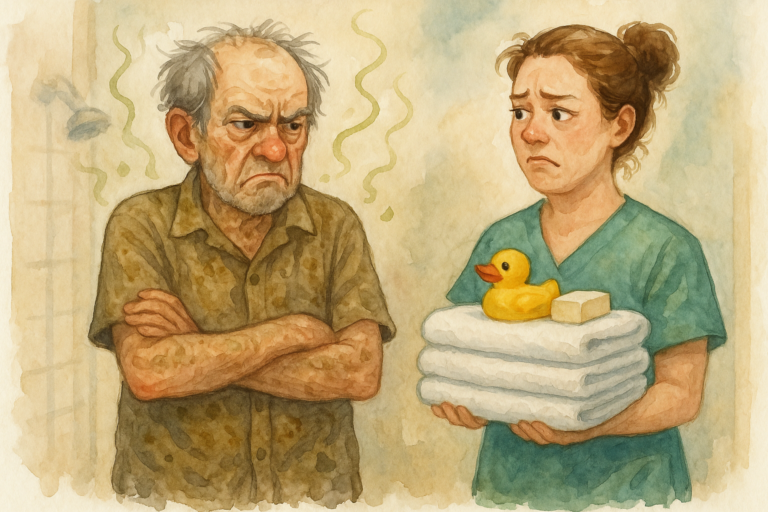
When a dad won’t shower, caregivers feel embarrassed, frustrated, and unsure what to do next. This article explains why shower refusal happens, what it really means, and how to handle hygiene with dignity instead of conflict.
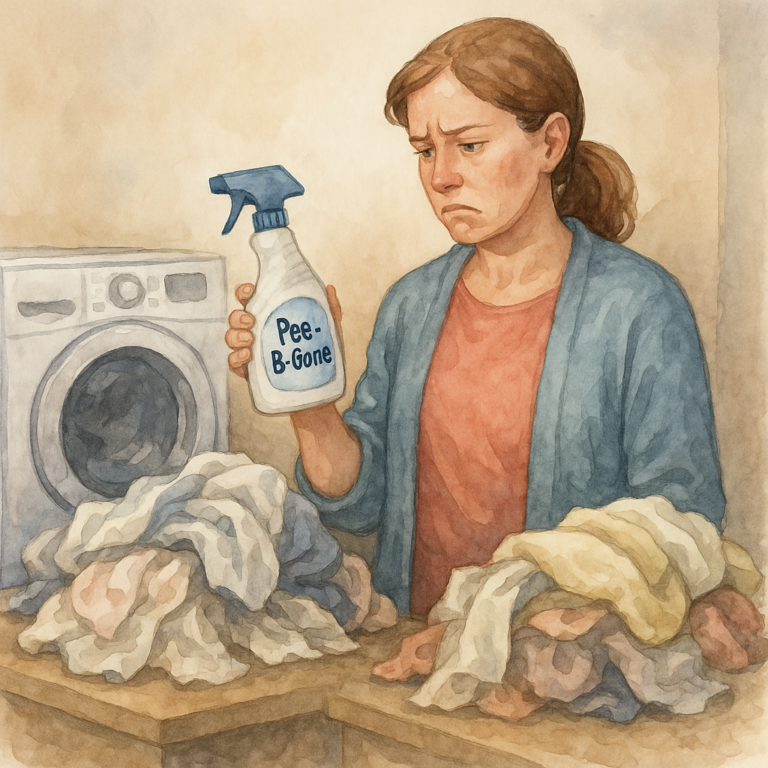
Urine smell is one of the most overwhelming and shame-filled parts of caregiving — and no one prepares you for it.
Caregivers tell me they wash the same sheets over and over, spray everything they own, and still walk into a house that smells like urine. They feel embarrassed, exhausted, and afraid they’re doing something wrong.
You’re not.
As a hospice nurse, I’m going to explain why urine odor lingers, what actually removes it, and how to get urine smell out of clothes, mattresses, floors, and furniture — for good.
This guide walks you through what works, what makes the smell worse, and how to finally stop the cycle of endless rewashing and frustration.
But Probably Never Say Out loud The Things We Think, Feel, and Wish You Knew Hospice nurses carry families through some of the hardest days of their lives.We walk into…
What does the first year of grief feel like after losing a loved one? The first year of grief after losing a loved one is often the hardest. It brings…
Caregiving is holy work… but it is also HARD work. You are loving someone through a season that demands more energy, more patience, more emotional bandwidth, and more flexibility than…