The Nurse (Your Case Manager)
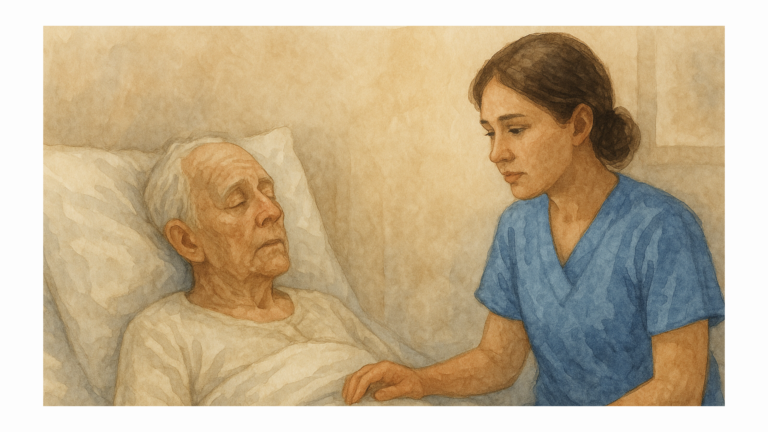
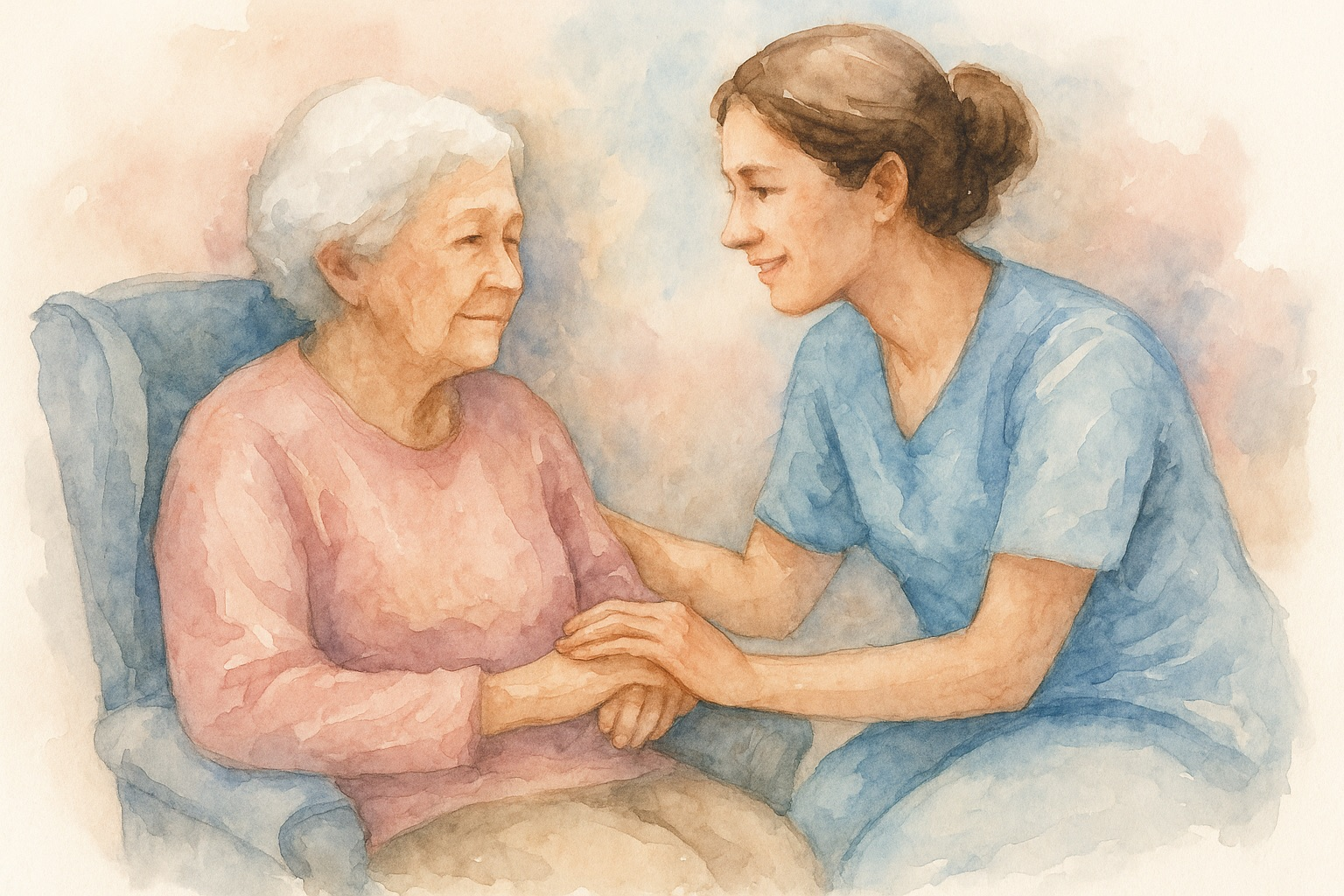
Your primary nurse is often called your case manager because we coordinate everything.
We’re your main point of contact — the person you can call, text, or ask anything.
We check symptoms, adjust medications, teach the family what to expect, and help you meet your end-of-life goals.
Think of the nurse as your guide through the whole process. Our goal is simple: to make sure you feel supported, informed, and never alone.
The Hospice Aide
The aide provides the hands-on personal care that helps your loved one feel clean and comfortable — bathing, grooming, washing hair, fresh linens, and gentle skin care.
Aides usually come a few times a week, not daily, but their visits bring so much relief to families.
Many families say the aide becomes one of their favorite parts of hospice.

The Social Worker
The social worker supports the emotional and practical side of hospice. They help with advance directives, resources, hard conversations, caregiver stress, and anything weighing on the family.
Their role is to care for the family just as much as the patient.
They are an incredible source of support and resources — many families don’t realize how helpful the social worker can be until they meet them.
The Chaplain
Hospice chaplains are trained to meet families exactly where they are spiritually. They honor your beliefs, respect your boundaries, and will never try to “convert” you.
Their heart is simply to bring peace, comfort, and reassurance — especially in moments when you need a little extra strength.
They offer prayer, Scripture, emotional support, gentle conversation, and a calming presence during a very difficult season.
Families who choose to include the chaplain often say it becomes one of the most comforting parts of their hospice experience.
The Doctor / Nurse Practitioner
The hospice doctor or nurse practitioner oversees the medical plan behind the scenes. They review medications, help manage symptoms, and guide the care when things become more complex.
They work very closely with your nurse — the nurse is truly their “eyes and ears” in the home. Because of that, you don’t typically meet the doctor or NP in person, but they are involved in every patient’s care and available whenever your nurse needs them.
Their main goal is to make sure the medical plan supports your comfort, your goals, and your wishes at every step.
The Volunteer
Volunteers offer companionship and support — things like reading, music, conversation, or giving the caregiver a short break.
They do NOT provide physical care such as diaper changes, repositioning, feeding, or giving medications.
24/7 On-Call Nurse
Hospice support doesn’t stop when office hours end.
There is always a nurse available after hours, overnight, weekends, and holidays. If something changes or you’re worried, you can call anytime — and someone will talk you through it or come out if needed.
Final Thoughts: You are Not Doing This Alone
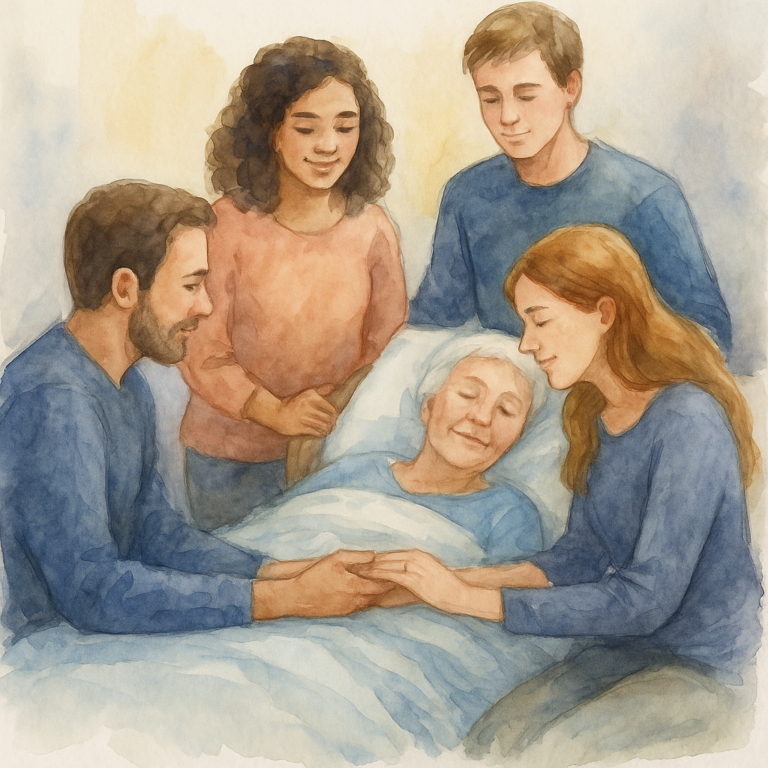
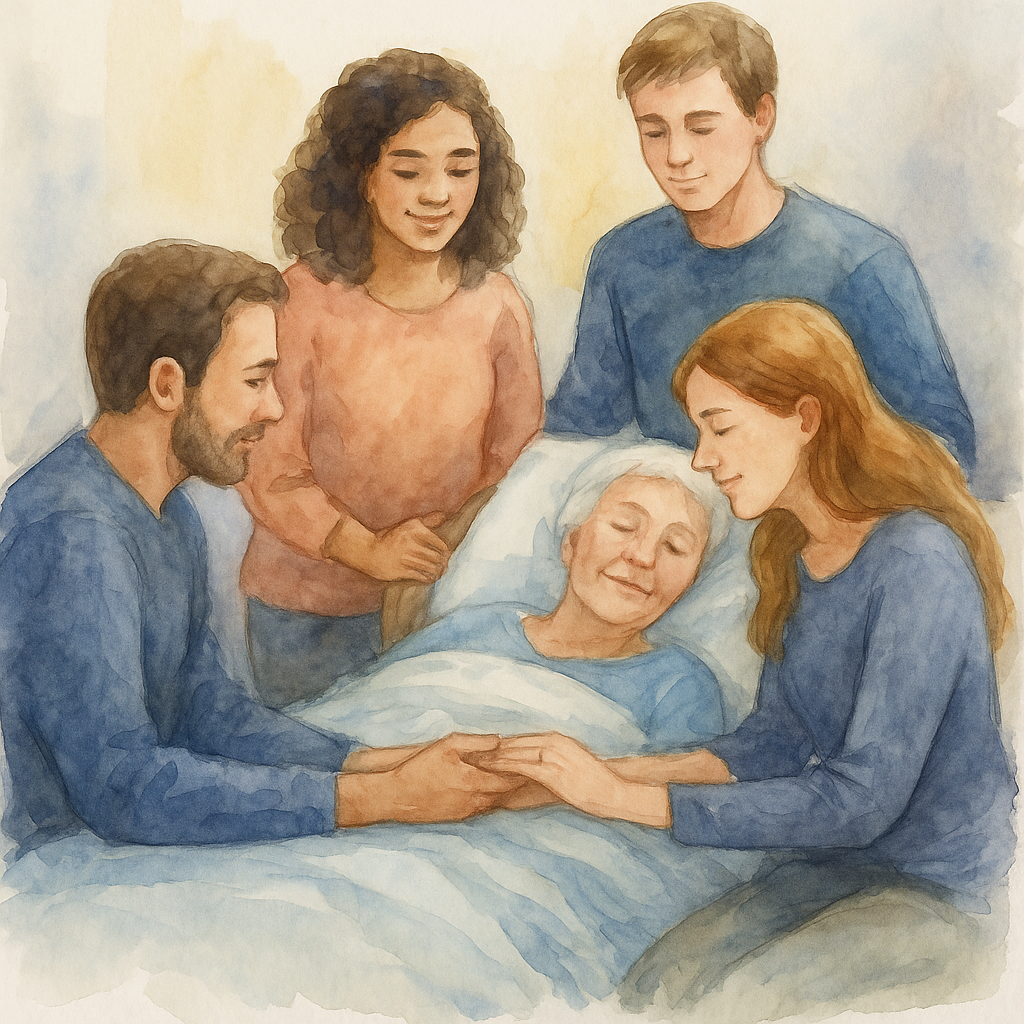
Even though families provide most of the hands-on care, you are never meant to do this alone. Hospice provides you with a team of people — each with a different role — all working together to guide, teach, and support you so you never feel alone in this.
Caring for someone at the end of life takes a whole team — and you are its most important member. We’re here to support you every step of the way.

I hope this article brought you some clarity or comfort. Caring for someone at the end of life can feel overwhelming, and you don’t have to figure it all out alone.
If you’re feeling unsure what to do next, my Free Resources page offers simple guides and tools that many families find helpful as they navigate this season. You can also sign up for my once-weekly emails no spam, no pressure. Just gentle support and education.
If you need additional support, or simply need a place to ask a question or vent, you’re welcome to leave a comment or send me an email. You’re not doing this wrong, and you’re not alone.