
This article is part two in a four-part series that explains hospice in a clear, simple way—what it is, what it isn’t, what visits look like, what families often don’t realize, and what happens after death. My hope is that this gives you clarity and confidence as you navigate this season.
If you have missed part one “What Hospice is and Isn’t” you may read it here.
What Happens at the First Visit

The first hospice visit is usually calm and simple. Families are often nervous before we arrive, but by the end of that visit, most people say they feel relieved and much more supported.
The goal is to understand what the patient needs right now and to help the family feel prepared, informed, and cared for.
Here’s what typically happens:
We Review the Medical History and Current Symptoms
We look at the patient’s diagnoses, recent changes, hospital stays, and overall decline. We talk about pain, breathing, appetite, sleep, confusion—anything that helps us understand the full picture.
We Go Through the Medications Together
We review every medication the patient is taking and decide what is still helpful. Some medications can be stopped if they no longer benefit the patient, and others may be added for comfort. This is always a conversation—never a demand.
We Teach the Family What to Expect
We explain what’s normal, what’s not, and which changes you may see as the condition progresses. We answer every question—even the ones you’re afraid to ask.
We Build a Comfort Plan
Together we decide what the goals are: less pain, easier breathing, better rest, less anxiety, fewer emergencies, and more peace in the home. Everything is tailored to the patient and the family.
We Order Equipment and Supplies
If the patient needs a hospital bed, oxygen, wipes, pads, briefs, chux (incontinence pads for the bed), or comfort medications, we order them right away. These items are delivered to the home, usually within 24 hours.
We Listen
This is the heart of hospice. We listen to the family’s fears, concerns, hopes, and priorities so the entire care plan aligns with the patient’s wishes. The first visit is not rushed. It’s simply the beginning of a partnership where you don’t have to do this alone.
What Weekly Hospice Care Looks Like
Hospice care has a steady rhythm. It’s supportive without being overwhelming, and flexible enough to change as the patient’s needs change. Families are often surprised by how calm and predictable it feels once everything is in place.
Here’s what a typical week may look like:
Nurse Visits (1-3 times weekly)
Your nurse checks symptoms, adjusts medications, and teaches the family what to expect next. In addition to clinical care, the nurse explains changes, prevents emergencies, updates the doctor, and makes sure the home environment is safe and comfortable.
If the patient begins to decline, nurse visits increase immediately. You are never limited—the plan adapts to the patient.
Your primary nurse will quickly become one of your most trusted guides. Families often say, “We don’t know what we would have done without our nurse.”
Nurse visit frequency can vary between hospice agencies. Some agencies have a policy of visiting every patient twice a week, while others overload their nurses with too many patients and may only visit once every two weeks — which is the Medicare minimum, not the ideal.
Your visits should always be tailored to your family’s needs.
If you ever feel you’re not getting the support you need, the first step is to talk with your nurse. If things don’t improve, speak with hospice administration. You also have the right to change hospice at any time, for any reason.
Hospice is meant to support you — not add stress.
Best practice is for you to have one primary nurse who knows your loved one well, not a different nurse every week.
Consistency matters, and you are allowed to ask for it.
Hospice Aide Visits a Few Times a Week
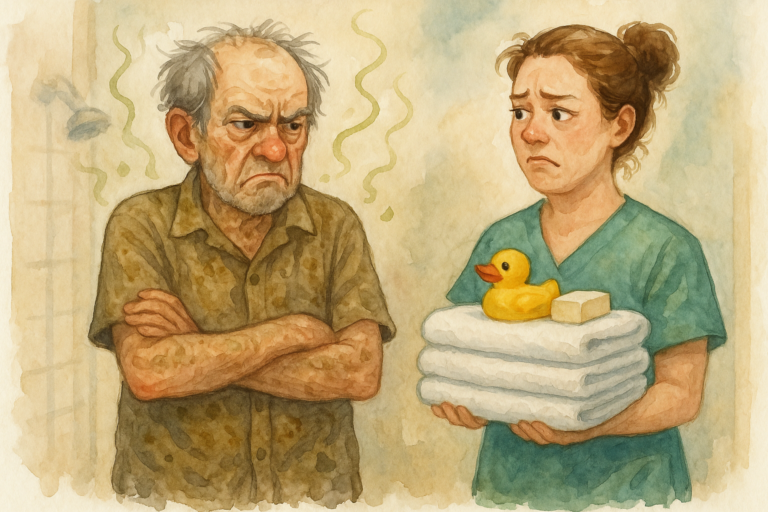
Aides provide personal care that brings tremendous comfort. Aides provide some of the most comforting support families receive. In addition to bathing and grooming, they:
- keep the patient clean and comfortable
- wash hair or shave if the patient desires
- gently reposition for comfort
- offer warm conversation and calm presence
- help families feel less alone in the physical care
Your hospice aide is an incredible resource and will show you practical tips for caring for your loved one. It’s no surprise families often say, “We couldn’t do this without them.”
Social Worker Support as Needed
The social worker cares for the whole family. Beyond emotional support, they help with:
- advance directives
- difficult conversations
- caregiver burnout
- family conflict or stress
- discussing future planning
- community resources
- placement decisions if needed
Some weeks you may need them more; some weeks less — it’s always based on your needs. Your social worker brings practical help and emotional steadiness, guiding your family through paperwork, planning, and the heavy moments. Many families share, “We didn’t realize how much we needed our social worker until we met them.”
Optional Chaplain Visits
Hospice chaplains do not push religion and do not impose beliefs. Their role is to support your beliefs and your family’s spiritual needs—whatever they are. They can offer:
- prayer
- scripture (if you want)
- listening
- quiet conversation
- emotional grounding during hard moments
- help finding meaning and peace
They are patient, respectful professionals who walk alongside families in the way that feels right for you. Visits can be regular, occasional, or declined entirely. All choices are respected. Hospice chaplains offer emotional and spiritual support that meets your family exactly where you are. Families often say, “We didn’t expect to love our chaplain this much.”
Medication and Supply Deliveries
A big part of hospice care is making sure you have the right tools and supplies in the home. Hospice helps provide medical equipment, comfort medications, and many daily-care items so families can focus on caregiving rather than logistics.
Medical Equipment
Hospice provides essential medical equipment such as hospital beds, oxygen supplies, wheelchairs, walkers, bedside commodes, and other items that support comfort and safety. These are delivered directly to your home and adjusted as the patient’s needs change. Families never need to worry about arranging deliveries or pickups — hospice handles it all.

Comfort Medications
Comfort medications are delivered as needed and adjusted based on symptoms. This can include medications for pain, shortness of breath, anxiety, nausea, and restlessness. Your nurse monitors symptoms closely and works with the hospice doctor to ensure your loved one always has what they need. Hospice manages refills and orders so families never have to worry about running out.
Daily Care Supplies
Hospice also supplements many daily-care items such as diapers, pads, wipes, barrier creams, and nutritional drinks like Ensure or Boost. These items help ease the financial and caregiving burden, but every agency differs in the brands and amounts they supply.
This support is not meant to fully replace what you purchase for your loved one — it’s simply there to lighten the load and make day-to-day care a little easier.
Behind-the-Scenes Team Communication
A lot of hospice coordination happens quietly in the background. Your nurse is constantly communicating with the hospice doctor or nurse practitioner, the aide, the social worker, and the chaplain (if involved). This ensures everyone stays updated and working toward the same goals.
Every two weeks, the entire hospice team meets to review your loved one’s care, discuss any changes, and make sure the plan still aligns with the patient’s needs and wishes.
This is one of the main reasons having a primary nurse is so important. Your primary nurse becomes the steady voice who knows your loved one well, understands the full picture, and keeps the whole team united and informed.
24/7 Phone and Emergency Support
Hospice support doesn’t end when the scheduled visits are done. You can call anytime—nights, weekends, holidays—and a nurse will answer. They can talk you through what you’re seeing, help you decide what’s needed, and come out for a visit if necessary.
You are never alone, no matter the day or hour.
Wrapping Up Part Two: What Comes Next
Understanding what hospice looks like week to week can make the journey feel far less overwhelming. I hope this gave you a clearer sense of what to expect week by week. If anything feels confusing or overwhelming, please reach out—you’re not walking this alone.
Now that you know the rhythm of care, the next article explains the things families don’t realize about hospice—but should.
Read Part Three here: Things Families Don’t Know About Hospice – But Should

I hope this article brought you some clarity or comfort. Caring for someone at the end of life can feel overwhelming, and you don’t have to figure it all out alone.
If you’re feeling unsure what to do next, my Free Resources page offers simple guides and tools that many families find helpful as they navigate this season. You can also sign up for my once-weekly emails no spam, no pressure. Just gentle support and education.
If you need additional support, or simply need a place to ask a question or vent, you’re welcome to leave a comment or send me an email. You’re not doing this wrong, and you’re not alone.


One Comment
Comments are closed.